They were women then
My mama’s generation
Husky of voice—stout of
Step
With fists as well as
Hands
How they battered down
Doors
And ironed
Starched white
Shirts
How they led
Armies
Headragged generals
Across mined
Fields
Booby-trapped
Ditches
To discover books
Desks
A place for us
How they knew what we
Must know
Without knowing a page
Of it
Themselves.
I first read “Women” as a high school freshman, memorizing and reciting it for extra credit. Later on, it grew in significance for me when I read Their Eyes Were Watching God by Zora Neale Hurston and learned that if not for Alice Walker, Hurston’s great body of work would probably have languished in obscurity for all time. Walker’s acknowledgment of the labor of her Black women foremothers in making her own life possible is a major theme throughout her body of work, and nowhere is it clearer than in today’s poem.
Thanks as always for being a faithful reader of The Voracious Bibliophile. If you like what you see, please like, comment, follow, and subscribe to my email list to get notified of new posts as soon as they drop. You can also email me at fred.slusher@thevoraciousbibliophile.com or catch me on Twitter, Instagram, TikTok, and Pinterest @voraciousbiblog. Keep reading the world, one page (or pixel) at a time.
go to the movies & see a rom-com by yourself. go to your favorite restaurant & request a table for one. go to a café & order a coffee & a pastry for yourself. lie in the grass & cloudgaze without holding someone else’s hand while you do it. we need to stop seeing these things as pathetic. you are the only person you have to be with every day, so why shouldn’t you find ways to appreciate you?

—keep falling in love with yourself.
Today’s poem is from shine your icy crown by amanda lovelace. She is the author of several bestselling poetry collections, among them the titles in the “women are some kind of magic” series, the “you are your own fairy tale” trilogy, and the “things that h(a)unt” duology. shine your icy crownwas published in January 2021 by Andrews McMeel Publishing and is available to purchase wherever books are sold.
Thanks as always for being a faithful reader of The Voracious Bibliophile. If you like what you see, please like, comment, follow, and subscribe to my email list to get notified of new posts as soon as they drop. You can also email me at fred.slusher@thevoraciousbibliophile.com or catch me on Twitter, Instagram, TikTok, and Pinterest @voraciousbiblog. Keep reading the world, one page (or pixel) at a time.
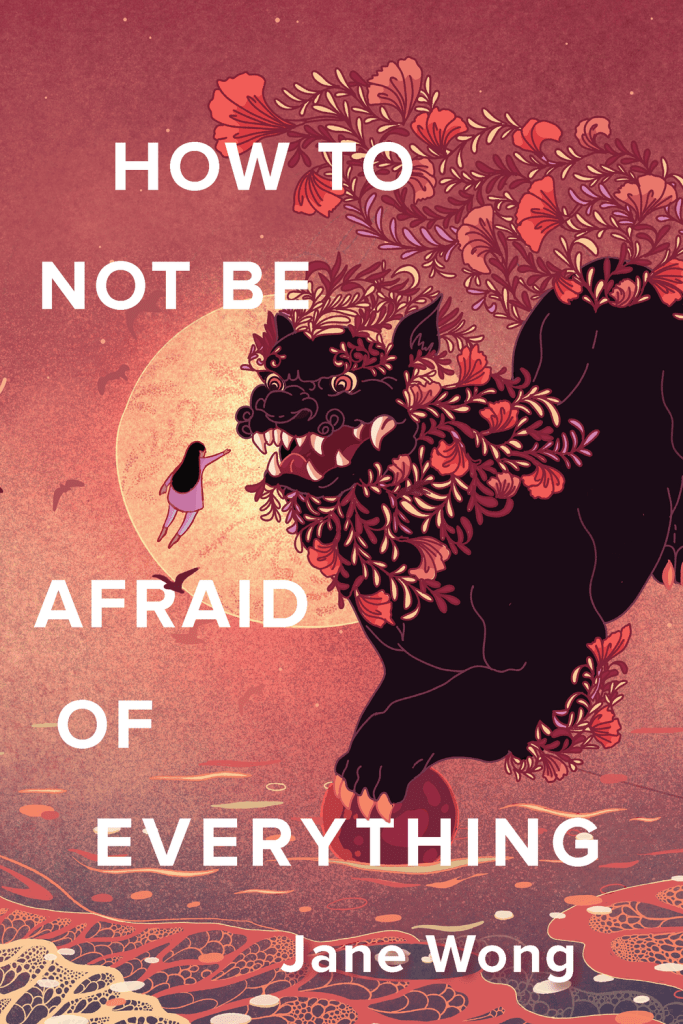
How to Not Be Afraid of Everything by Jane Wong (Alice James Books, 2021)
Tenants by Jane Wong
Above: my neighbor's feet,                         fussing from room to room,
                velvet hooves                     tendering my head. Was the fruitcake
curdling? Would the mail make it there on time? (it must
                make it there on time)? Below:                 I try to light
the stove. Little clicks of the tongue, heat and water,                     my altar.
                Underground: my grandfather breathes through a silk jacket,
a dandelion mane resting between                         his lips. Here: every living
                thing is an altar. Sweet worms kiss           his knuckles to sleep,
loose doorknobs I open:             story after story. My family:
                a spiral staircase, a fish spine                    picked clean, the snail's
miasmic song. 1982: sun gasping through splintering snow,
                a lemon slice folded                     in my mother's cup, a generous
bulb, a lighthouse across oceans she can not see. 1985: we slept in
                a split-level attic,                                    squirrels running across
the beams. 1964: my grandfather offers my mother one egg.
                Her brother looks on, fists full of ash. 1967: to make
the body dance with sticks and stones to break                 alone. Within:
                prison, rose finch feathers float through bars, what he can not
talk about. My grandfather sings to me in a ladybug-speckled coffin,
                the color of good teeth.                   Above: my grandmother keeps
heaps upon heaps of oil containers, poured                     and repurposed
                in hunched Fanta plastic. This living can be so quiet sometimes,
you can hear the lights                 humming. Moss slinks into my walls
                and is painted over, white               to mint. I touch
the wall, these porous lives, this dense    understory. Today: I cut
                a telescope                  in two to see everything inside, out:
new.
Thanks as always for being a faithful reader of The Voracious Bibliophile. If you like what you see, please like, comment, follow, and subscribe to my email list to get notified of new posts as soon as they drop. You can also email me at fred.slusher@thevoraciousbibliophile.com or catch me on Twitter, Instagram, TikTok, and Pinterest @voraciousbiblog. Keep reading the world, one page (or pixel) at a time.
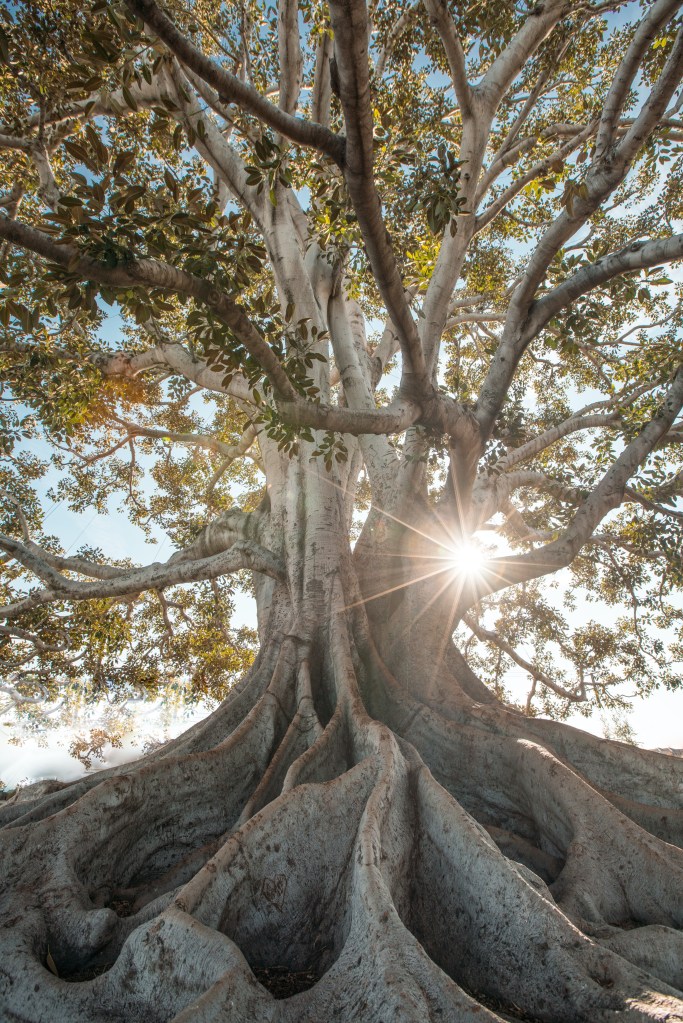
I think that I shall never see
A poem lovely as a tree.

A tree whose hungry mouth is prest
Against the earth’s sweet flowing breast;

A tree that looks at God all day,
And lifts her leafy arms to pray;

A tree that may in Summer wear
A nest of robins in her hair;

Upon whose bosom snow has lain;
Who intimately lives with rain.

Poems are made by fools like me,
But only God can make a tree.
Today’s poem first appeared in the August 1913 issue of Poetry. It was later collected in Kilmer’s 1914 collection entitled Trees and Other Poems, which is available to purchase wherever books are sold. A free public domain version of the text can be accessed and disseminated without limitations at Project Gutenberg.
Thanks as always for being a faithful reader of The Voracious Bibliophile. If you like what you see, please like, comment, follow, and subscribe to my email list to get notified of new posts as soon as they drop. You can also email me at fred.slusher@thevoraciousbibliophile.com or catch me on Twitter, Instagram, TikTok, and Pinterest @voraciousbiblog. Keep reading the world, one page (or pixel) at a time.
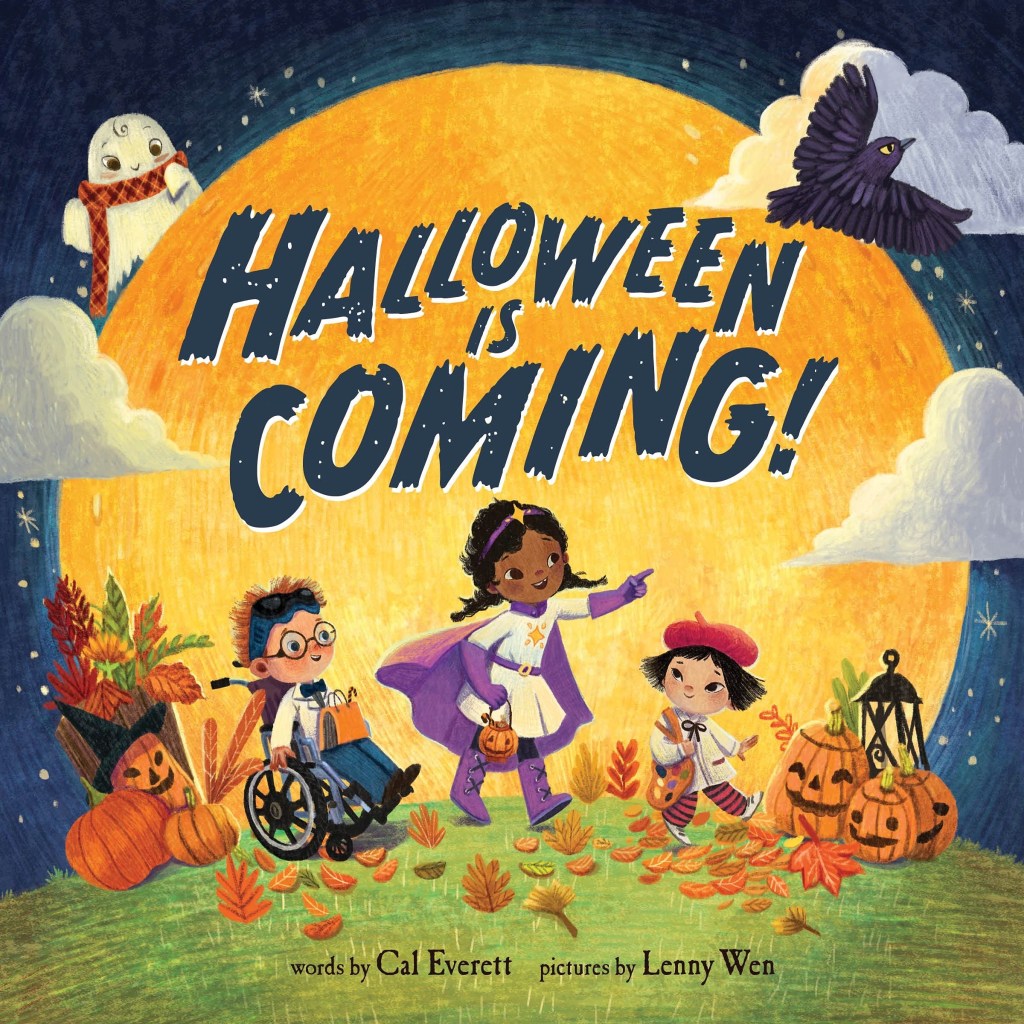
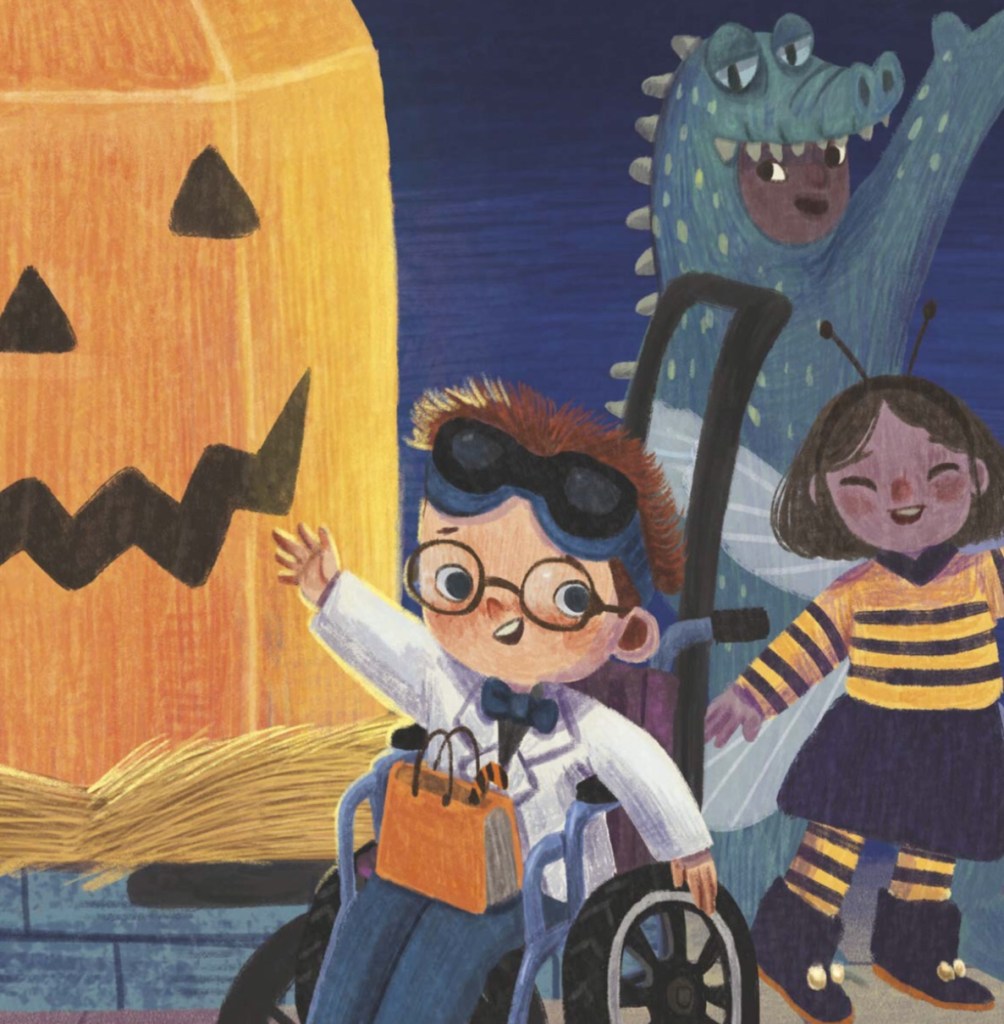
Halloween Is Coming! by Cal Everett (Words) and Lenny Wen (Pictures)
***Note: I received a free digital review copy of this book from NetGalley in exchange for an honest review.***
Seasonal titles are often hit-or-miss in terms of quality and sales-worthiness. You have your perennial bestsellers, the classics, which always perform well. Then there’s the seasonal titles featuring licensed characters, like Pete the Cat or Peppa Pig. These are always a big hit with preschool audiences but are certainly nothing to write home about. And then finally are the newbies, the titles published especially for the holiday(s) in question that aren’t tied to any other franchise or proud tradition save the holiday itself.
My verdict: it’s absolutely delightful. Everett’s pithy rhymes combined with Wen’s clean and colorful illustrations make for a spook-tacular family read for Halloween night.
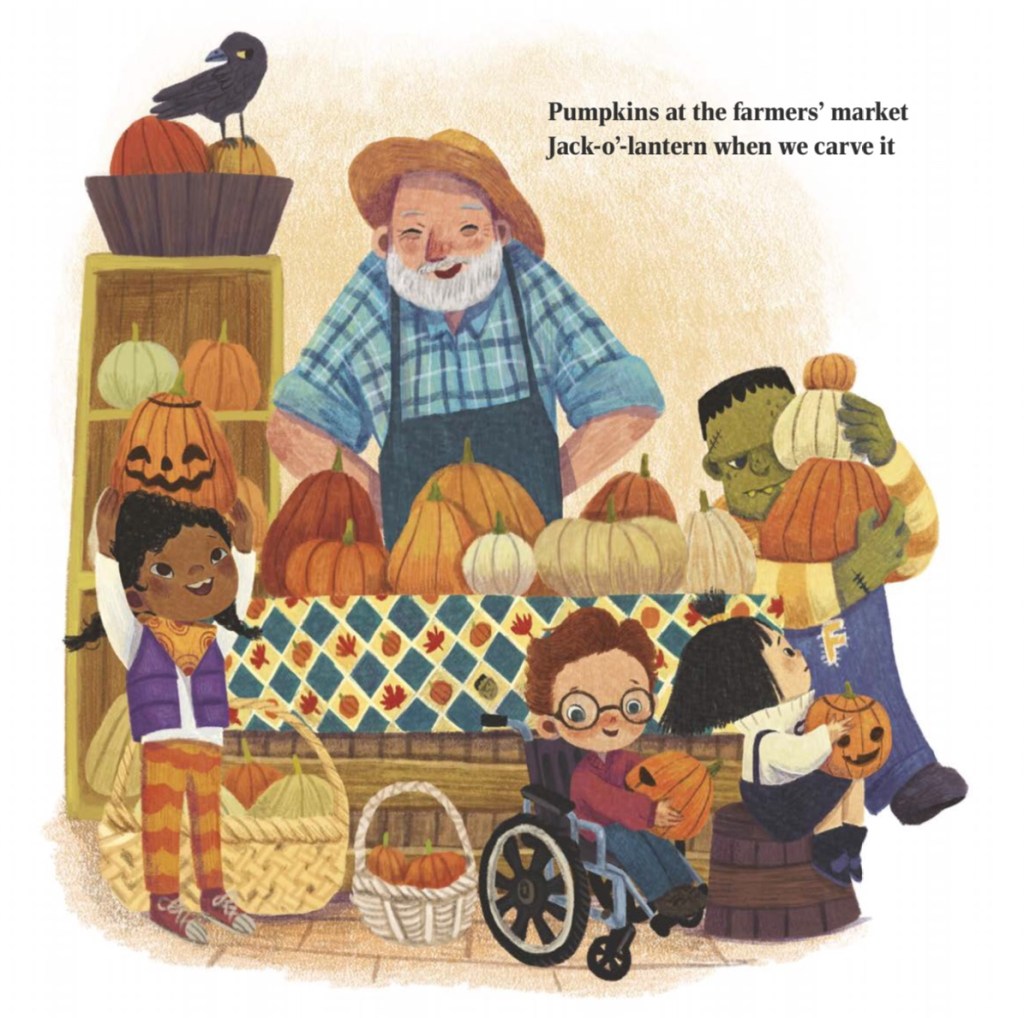
Halloween Is Coming! belongs to the last category. My verdict: it’s absolutely delightful. Everett’s pithy rhymes combined with Wen’s clean and colorful illustrations make for a spook-tacular family read for Halloween night. I also really appreciated the diversity of the children featured in the picture book. Too many children’s books focus exclusively on able-bodied white children and this deliberate act of exclusion prevents BIPOC children and children who are differently-abled from being able to socialize themselves within the framework of their peers. In short, representation matters, and it doesn’t just matter in social issue titles that explicitly deal with race, ability, or any other demographic characteristic.
Too many children’s books focus exclusively on able-bodied white children and this deliberate act of exclusion prevents BIPOC children and children who are differently-abled from being able to socialize themselves within the framework of their peers.
I’m comfortable in saying that Halloween Is Coming! is my favorite new Halloween title published this year and will be one I enjoy reading in the future as well as recommending to my littlest customers and their adults.
Halloween Is Coming!was published by SOURCEBOOKS Kids on August 3rd, 2021 and is available to purchase wherever books are sold.
Thanks as always for being a faithful reader of The Voracious Bibliophile. If you like what you see, please like, comment, follow, and subscribe to my email list to get notified of new posts as soon as they drop. You can also email me at fred.slusher@thevoraciousbibliophile.com or catch me on Twitter, Instagram, TikTok, and Pinterest @voraciousbiblog. Keep reading the world, one page (or pixel) at a time.
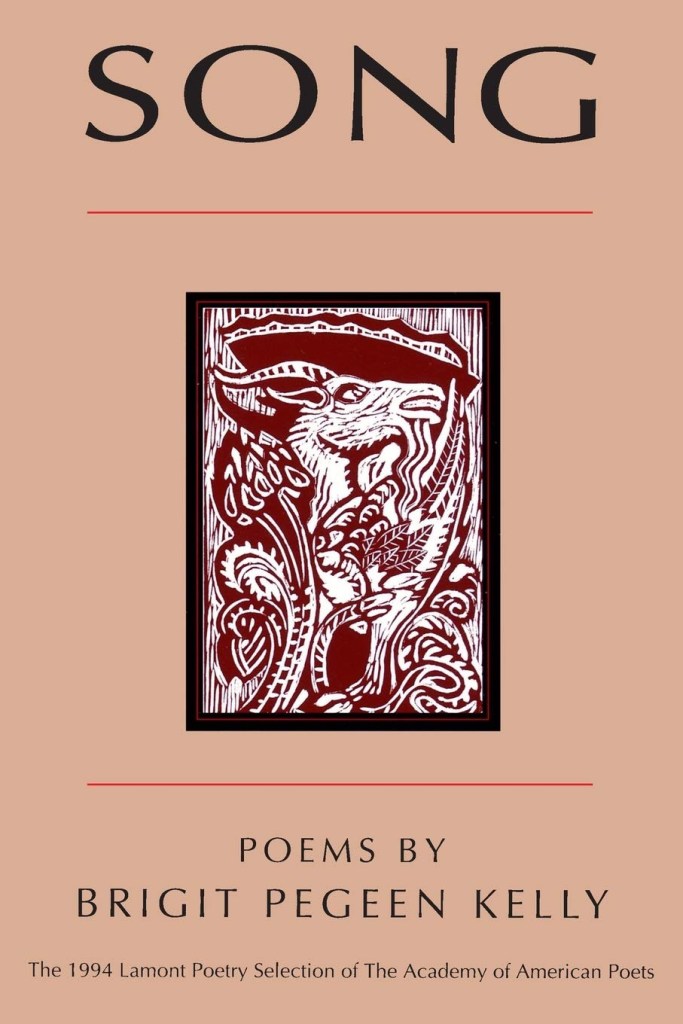
All Wild Animals Were Once Called Deer by Brigit Pegeen Kelly
Some truck was gunning the night before up Pippin Hill's steep grade
And the doe was thrown wide. This happened five years ago now,
Or six. She must have come out of the woods by Simpson's red trailer—
The one that looks like a faded train car—and the driver
Did not see her. His brakes no good. Or perhaps she hit the truck.
That happens, too. A figure swims up from nowhere, a flying figure
That seems to be made of nothing more than moonlight, or vapor,
Until it slams its face, solid as stone, against the glass.
And maybe when this happens the driver gets out. Maybe not.
Strange about the kills we get without intending them.
Because we are pointed in the direction of something.
Because we are distracted at just the right moment, or the wrong.
We were waiting for the school bus. It was early, but not yet light.
We watched the darkness draining off like the last residue
Of water from a tub. And we didn't speak, because that was our way.
High up a plane droned, drone of the cold, and behind us the flag
In front of the Bank of Hope's branch trailer snapped and popped in the wind.
It sounded like a boy whipping a wet towel against a thigh
Or like the stiff beating of a swan's wings as it takes off
From the lake, a flat drumming sound, the sound of something
Being pounded until it softens, and then—as the wind lowered
And the flag ran out wide—there was a second sound, the sound of running fire.
And there was the scraping, too, the sad knife-against-skin scraping
Of the acres of field corn strung out in straggling rows
Around the branch trailer that had been, the winter before, our town's claim to fame
When, in the space of two weeks, it was successfully robbed twice.
The same man did it both times, in the same manner.
He had a black hood and a gun, and he was so polite
That the embarrassed teller couldn't hide her smile when he showed up again.
They didn't think it could happen twice. But sometimes it does.
Strange about that. Lightning strikes and strikes again.
My piano teacher watched her husband, who had been struck as a boy,
Fall for good, years later, when he was hit again.
He was walking across a cut corn field toward her, stepping over
The dead stalks, holding the bag of nails he'd picked up at the hardware store
Out like a bouquet. It was drizzling so he had his umbrella up.
There was no thunder, nothing to be afraid of.
And then a single bolt from nowhere, and for a moment the man
Was doing a little dance in a movie, a jig, three steps or four,
Before he dropped like a cloth, or a felled bird.
This happened twenty years ago now, but my teacher keeps
Telling me the story. She hums while she plays. And we were humming
That morning by the bus stop. A song about boys and war.
And the thing about the doe was this. She looked alive.
As anything will in the half light. As lawn statues will.
I was going to say as even children playing a game of statues will,
But of course they are alive. Though sometimes
A person pretending to be a statue seems farther gone in death
Than a statue does. Or to put it another way,
Death seems to be the living thing, the thing
The thing that looks out through the eyes. Strange about that . . .
We stared at the doe for a long time and I thought about the way
A hunter slits a deer's belly. I've watched this many times.
And the motion is a deft one. It is the same motion the swan uses
When he knifes the children down by his pond on Wasigan Road.
They put out a hand. And quick as lit grease, the swan's
Boneless neck snakes around in a sideways circle, driving
The bill hard toward the softest spot . . . All those songs
We sing about swans, but they are mean. And up close, often ugly.
That old Wasigan bird is a smelly, moth-eaten thing.
His wings stained yellow as if he chewed tobacco,
His upper bill broken from his foul-tempered strikes.
And he is awkward, too, out of the water. Broken-billed and gaited.
When he grapples down the steep slope, wheezing and spitting,
He looks like some old man recovering from hip surgery,
Slowly slapping down one cursed flat foot, then the next.
But the thing about the swan is this. The swan is made for the water.
You can't judge him out of it. He's made for the chapter
In the rushes. He's like one of those small planes my brother flies.
Ridiculous things. Something a boy dreams up late at night
While he stares at the stars. Something a child draws.
I've watched my brother take off a thousand times, and it's always
The same. The engine spits and dies, spits and catches—
A spurting match—and the machine shakes and shakes as if it were
Stuck together with glue and wound up with a rubber band.
It shimmies the whole way down the strip, past the pond
Past the wind bagging the goose-necked wind sock, past the banks
Of bright red and blue planes. And as it climbs slowly
Into the air, wobbling from side to side, cautious as a rock climber,
Putting one hand forward then the next, not even looking
At the high spot above the tree line that is the question,
It seems that nothing will keep it up, not a wish, not a dare,
Not the proffered flowers of our held breath. It seems
As if the plane is a prey the hunter has lined up in his sights,
His finger pressing against the cold metal, the taste of blood
On his tongue . . . but then, at the dizzying height
Of our dismay, just before the sky goes black,
The climber's frail hand reaches up and grasps the highest rock,
Hauling, with a last shudder, the body over,
The gun lowers, and perfectly poised now, high above
The dark pines, the plane is home free. It owns it all, all.
My brother looks down and counts his possessions,
Strip and grass, the child's cemetery the black tombstones
Of the cedars make on the grassy hill, the wind-scrubbed
Face of the pond, the swan's white stone . . .
In thirty years, roughly, we will all be dead . . . That is one thing . . .
And you can't judge the swan out of the water . . . That is another.
The swan is mean and ugly, stupid as stone,
But when it finally makes its way down the slope, over rocks
And weeds, through the razory grasses of the muddy shallows,
The water fanning out in loose circles around it
And then stilling, when it finally reaches the deepest spot
And raises in slow motion its perfectly articulated wings,
Wings of smoke, wings of air, then everything changes.
Out of the shallows, the lovers emerge, sword and flame,
And over the pond's lone island the willow spills its canopy,
A shifting feast of gold and green, a spell of lethal beauty.
O bird of moonlight. O bird of wish. O sound rising
Like an echo from the water. Grief sound. Sound of the horn.
The same ghostly sound the deer makes when it runs
Through the woods at night, white lightning through the trees,
Through the coldest moments, when it feels as if the earth
Will never again grow warm, lover running toward lover,
The branches tearing back, the mouth and eyes wide,
The heart flying into the arms of the one that will kill her.
Thanks as always for being a faithful reader of The Voracious Bibliophile. If you like what you see, please like, comment, follow, and subscribe to my email list to get notified of new posts as soon as they drop. You can also email me at fred.slusher@thevoraciousbibliophile.com or catch me on Twitter, Instagram, TikTok, and Pinterest @voraciousbiblog. Keep reading the world, one page (or pixel) at a time.
Thanks as always for being a faithful reader of The Voracious Bibliophile. If you like what you see, please like, comment, follow, and subscribe to my email list to get notified of new posts as soon as they drop. You can also email me at fred.slusher@thevoraciousbibliophile.com or catch me on Twitter, Instagram, TikTok, and Pinterest @voraciousbiblog. Keep reading the world, one page (or pixel) at a time.
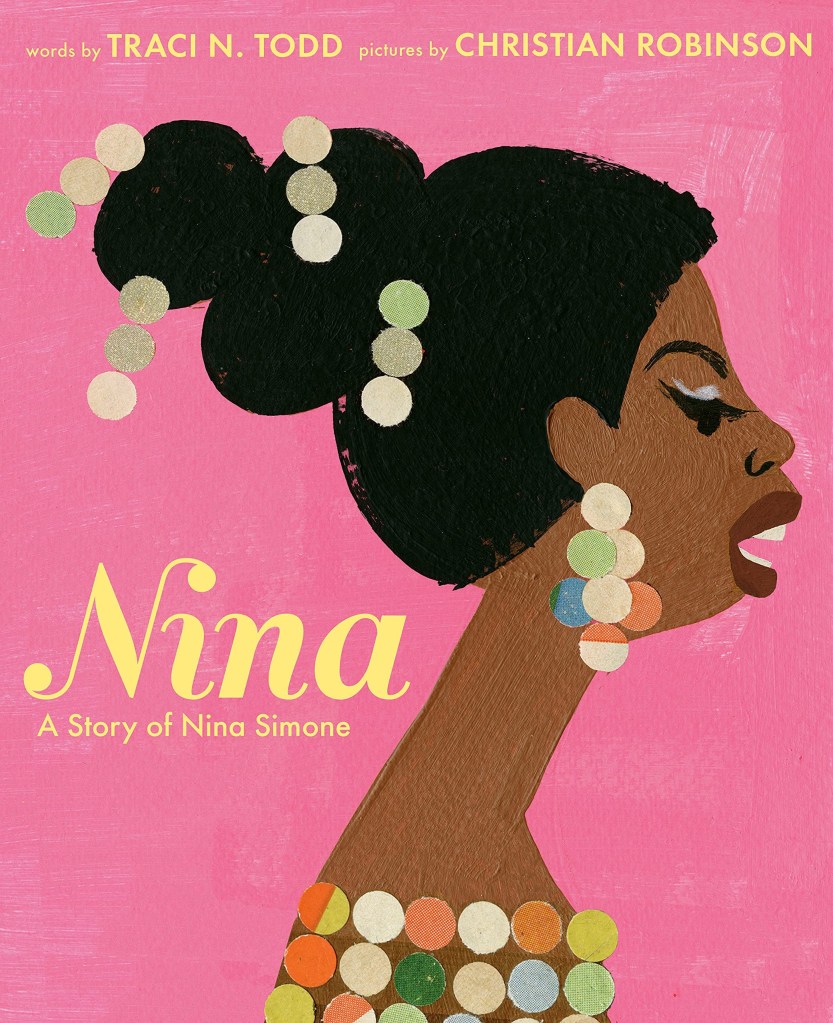
Nina: A Story of Nina Simone by Traci N. Todd (Words) and Christian Robinson (Pictures)
Stars when you shine
You know how I feel
“Feeling Good” by Nina Simone
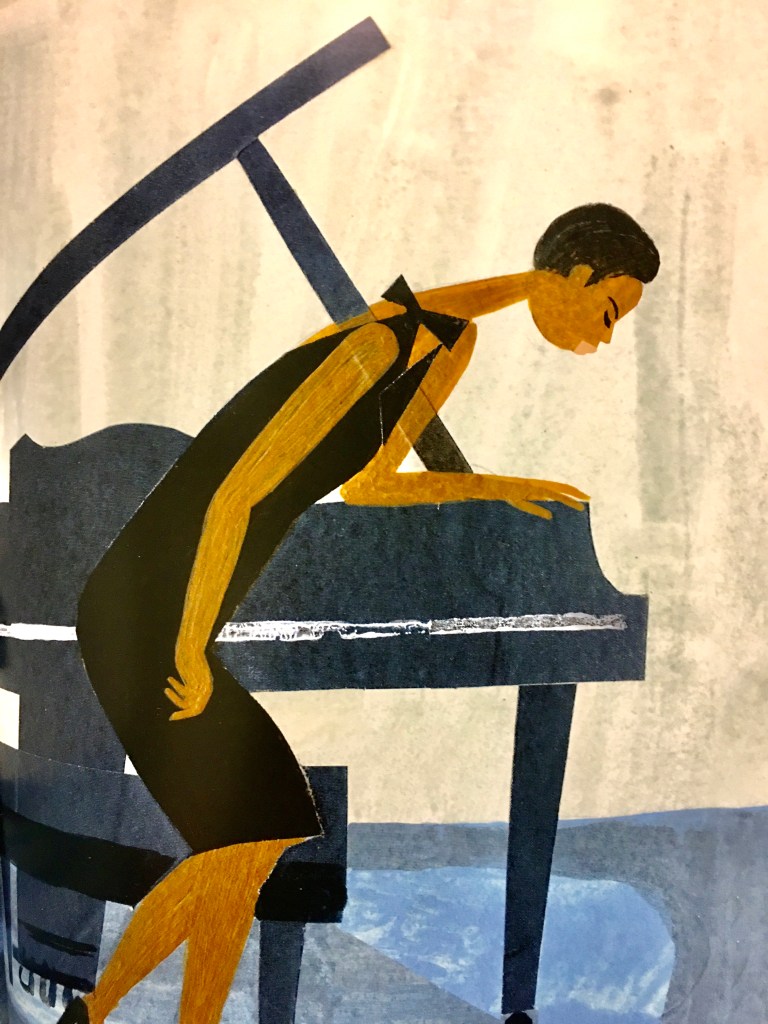
The first thing that caught my eye when I picked up Nina was the familiar art style on the cover. I wracked my brain trying to remember where I’d seen it before, and all of a sudden it came to me: Christian Robinson had also done the artwork for Josephine, Patricia Hruby Powell’s pictorial biography of Josephine Baker, another Black woman performer who spat in the faces of her detractors and will forever be remembered as an iconoclast. Then I did some research and discovered that I’ve read and enjoyed several books featuring Robinson’s illustrations in addition to Nina and Josephine: You Matter, Antoinette, School’s First Day of School, Leo: A Ghost Story, Last Stop on Market Street, and Gaston.
One thing that holds true throughout history is that white supremacist racists can’t stand Black excellence.
One thing that holds true throughout history is that white supremacist racists can’t stand Black excellence. It cows them and forces them to confront their own inadequacies. Nina Simone is a quintessential example of that.
Nina Simone at Amsterdam Airport Schiphol inMarch 1969. Made available under the Creative Commons CC0 1.0 Universal Public Domain Dedication.
Eunice Kathleen Waymon, the little girl who would grow up to become Nina Simone, was born the sixth of eight children on February 21st, 1933. Her mother was a Methodist minister and housekeeper. Her father was a handyman who at one time owned a dry-cleaning business and who unfortunately suffered from bouts of ill health. Little Eunice showed signs of genius at an early age, displaying a seemingly preternatural talent for music that far exceeded what anyone could possibly have expected from such a small child. The music seemed to come from somewhere deep inside her, flowing from a secret river only she could access.
The music seemed to come from somewhere deep inside her, flowing from a secret river only she could access.
Eunice’s mother only allowed her to play hymns and other church music, but her father surreptitiously introduced her to the wonders of jazz. Her personal favorite composer grew to be Johann Sebastian Bach, whose compositions started off soft and crescendoed into a passionate fervor, which reminded Eunice of the rhythms of her mother’s preaching.
Since preaching didn’t pay all the bills, Eunice’s mother also worked as a housekeeper. One of the white women whose house Eunice’s mother cleaned learned of Eunice’s gift on the piano, and along with Eunice’s mother, endeavored to do anything in her power to help the little girl receive the best training possible and reach a wider audience with her music.
Because of the kind of music heard in these establishments and the predilections of the clientele, Eunice had to adopt a nom de plume to keep her family from learning of her moonlighting gigs. Thus Nina Simone was born.
Their efforts more than paid off when Eunice was accepted into the Juilliard School of Music. Afterwards, she also applied for a scholarship to the Curtis Institute of Music in Philadelphia. She was denied admission and started playing in jazz bars in Atlantic City to earn money. She mostly did this so she could continue studying with private tutors and further her classical education. No matter what she did, Eunice kept her eyes focused on improving her craft, which in my opinion is one of the main hallmarks of a true artist.
Because of the kind of music heard in these establishments and the predilections of the clientele, Eunice had to adopt a nom de plume to keep her family from learning of her moonlighting gigs. Thus Nina Simone was born.
From @theartoffun (Christian Robinson) on Instagram
The proprietors of the establishments Ms. Simone played in insisted she sing as well as play. Nina had never before thought of herself as a singer, being trained as a classical pianist from the time her legs were too short to touch the floor as she played. But if they wanted her to sing, then sing she would.
However, following the assassination of civil rights activist Medgar Evers in Jackson, Mississippi in June 1963 and the bombing of the 16th Street Baptist Church which killed four young Black girls in Birmingham, Alabama that September, Nina had finally had enough.
Soon after she started singing to accompany herself on piano in Atlantic City bars, she catapulted into the spotlight. From 1958-1974, Ms. Simone recorded more than 40 albums and captivated audiences in performances all over the world. She still felt the sting of anti-Black racism but for a long time chose not to use her platform for activism. However, following the assassination of civil rights activist Medgar Evers in Jackson, Mississippi in June 1963 and the bombing of the 16th Street Baptist Church which killed four young Black girls in Birmingham, Alabama that September, Nina had finally had enough.
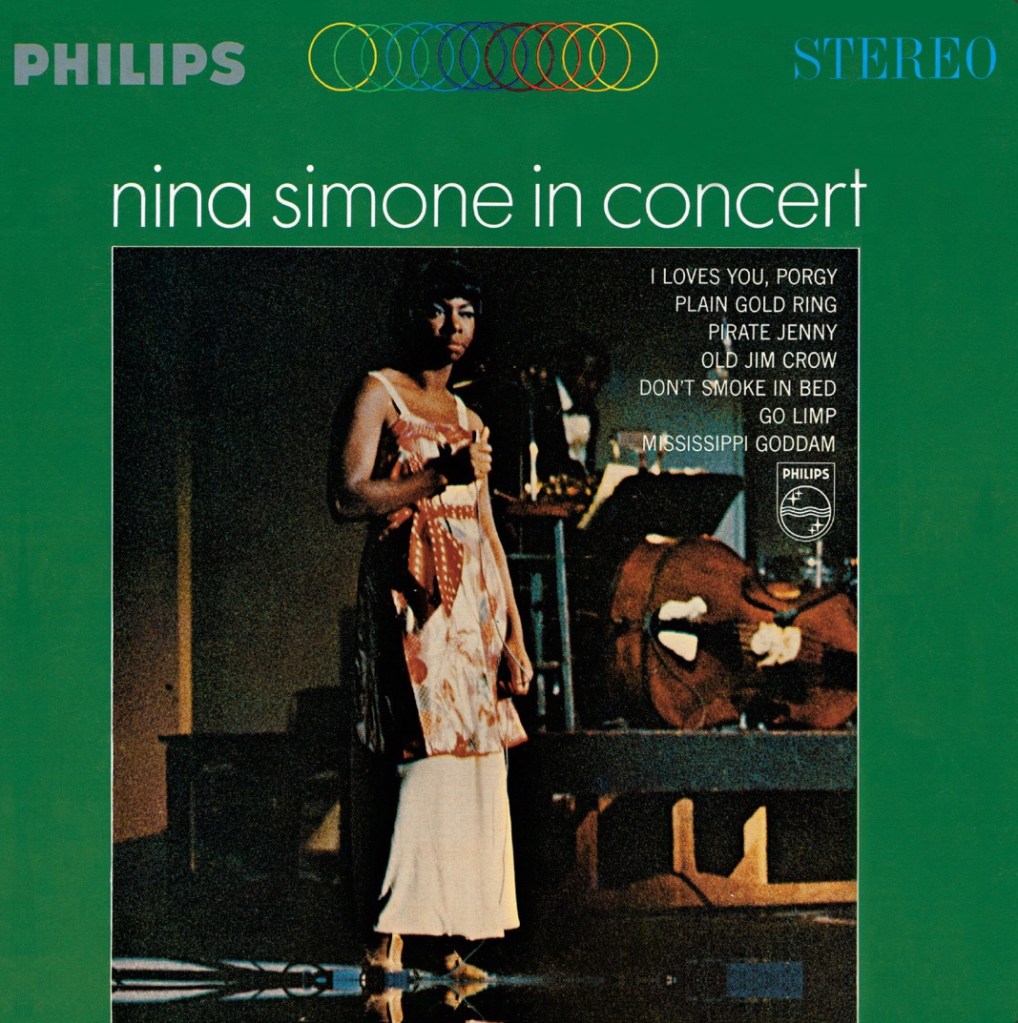
Her first protest song was “Mississippi G*****” (I’m censoring the title for my mom, who reads this blog), which appeared on the album Nina Simone in Concert(pictured below).
Nina Simone in Concert (1964)
White Southern Evangelicals were incensed at the audacity of this Black woman who refused to smile and simper and coddle their fragile feelings.
White Southern Evangelicals were incensed at the audacity of this Black woman who refused to smile and simper and coddle their fragile feelings. So outraged were they in fact that promotional singles sent to some radio stations were returned broken neatly in half. And what a metaphor for the America of the 60s and now the 20s. It should be a matter of profound shame that we are still fighting for basic human dignity in the year 2021 with two large contingents of the population debating whose lives should and should not (or don’t and will never) matter.
I love seeing Black creators celebrated by other Black creators because representation matters and little Black children deserve to see people who look like them living lives they want to emulate.
All in all, Nina is a pictorial biography of the highest caliber. I wouldn’t be one smidgen surprised if it’s named one of the best books of 2021 written for children because in my opinion it already is. I love seeing Black creators celebrated by other Black creators because representation matters and little Black children deserve to see people who look like them living lives they want to emulate. They need that blueprint. The creators already exist; it’s up to us to amplify their art.
From Nina: A Story of Nina Simone: “Nina Simone sang the whole story of Black America for everyone to hear. Her voice resounded with the love, joy, and power of it all. And when she sang of Black children—you lovely, precious dreams—her voice sounded like hope.”
Nina: A Story of Nina Simonewas released by G.P. Putnam’s Sons Books for Young Readers on September 28th, 2021 and is now available to purchase wherever books are sold.
Bonus: My Favorite Recording by Nina Simone
Thanks as always for being a faithful reader of The Voracious Bibliophile. If you like what you see, please like, comment, follow, and subscribe to my email list to get notified of new posts as soon as they drop. You can also email me at fred.slusher@thevoraciousbibliophile.com or catch me on Twitter, Instagram, TikTok, and Pinterest @voraciousbiblog. Keep reading the world, one page (or pixel) at a time.
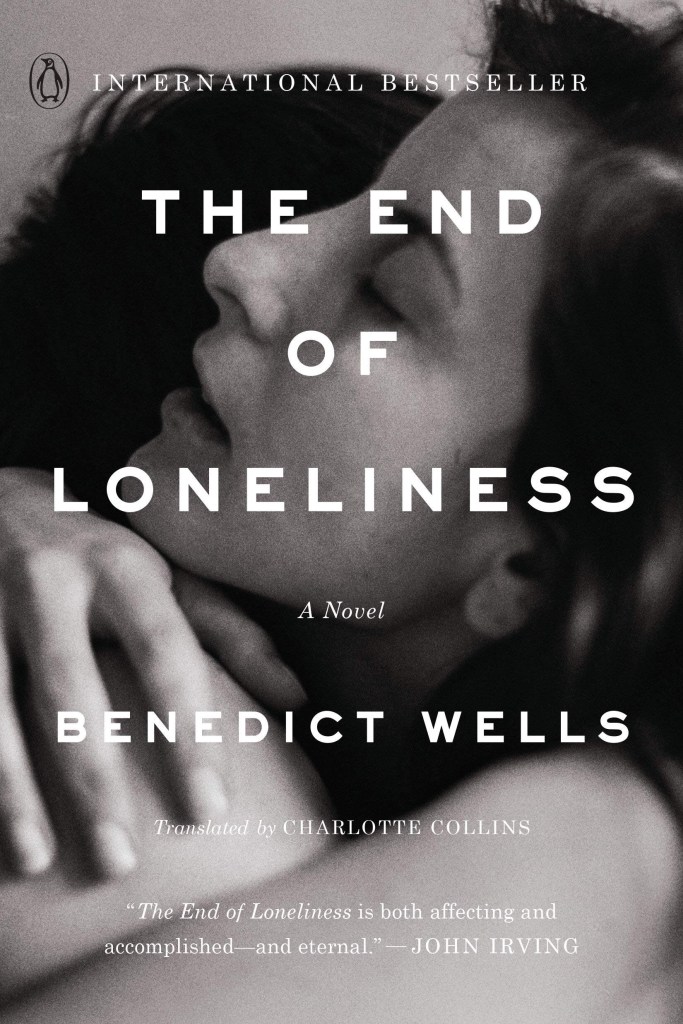
The End of Loneliness: A Novel by Benedict Wells and Charlotte Collins (Translator)
From the moment we’re born we’re on the Titanic. We’re going down, we won’t survive this, it’s already been decided. Nothing can change that. But we can choose whether we’re going to run around screaming in panic, or whether we’re like the musicians who play on, bravely and with dignity, although the ship is sinking.
Benedict Wells and Charlotte Collins (Translator), The End of Loneliness: A Novel
Thanks as always for being a faithful reader of The Voracious Bibliophile. If you like what you see, please like, comment, follow, and subscribe to my email list to get notified of new posts as soon as they drop. You can also email me at fred.slusher@thevoraciousbibliophile.com or catch me on Twitter, Instagram, TikTok, and Pinterest @voraciousbiblog. Keep reading the world, one page (or pixel) at a time.
Lie With Me: A Novel by Philippe Besson and Molly Ringwald (Translator)
Later I will write about this longing, the intolerable deprivation of the other. I will write about the sadness that eats away at you, making you crazy. It will become the template for my books, in spite of myself. I wonder sometimes if I have ever written of anything else. It’s as if I never recovered from it: the inaccessible other, occupying all my thoughts.
Philippe Besson and Molly Ringwald (Translator), Lie With Me: A Novel
There’s nothing in the entire world more painful than unrequited love, or love given then taken inexplicably away. It’s maddening, truly. You never forget it, and for the rest of your life the hundred thousand scenarios called forth from the interrogative haunt you like a bad dream you see every time you think of the one you lost.
The only real cure for this kind of heartache is love, and it needn’t necessarily come from a romantic relationship. It turns out you can give yourself the love you deserve. You just have to be willing to put it in the work.
Thanks as always for being a faithful reader of The Voracious Bibliophile. If you like what you see, please like, comment, follow, and subscribe to my email list to get notified of new posts as soon as they drop. You can also email me at fred.slusher@thevoraciousbibliophile.com or catch me on Twitter, Instagram, TikTok, and Pinterest @voraciousbiblog. Keep reading the world, one page (or pixel) at a time.









 The Voracious Bibliophile