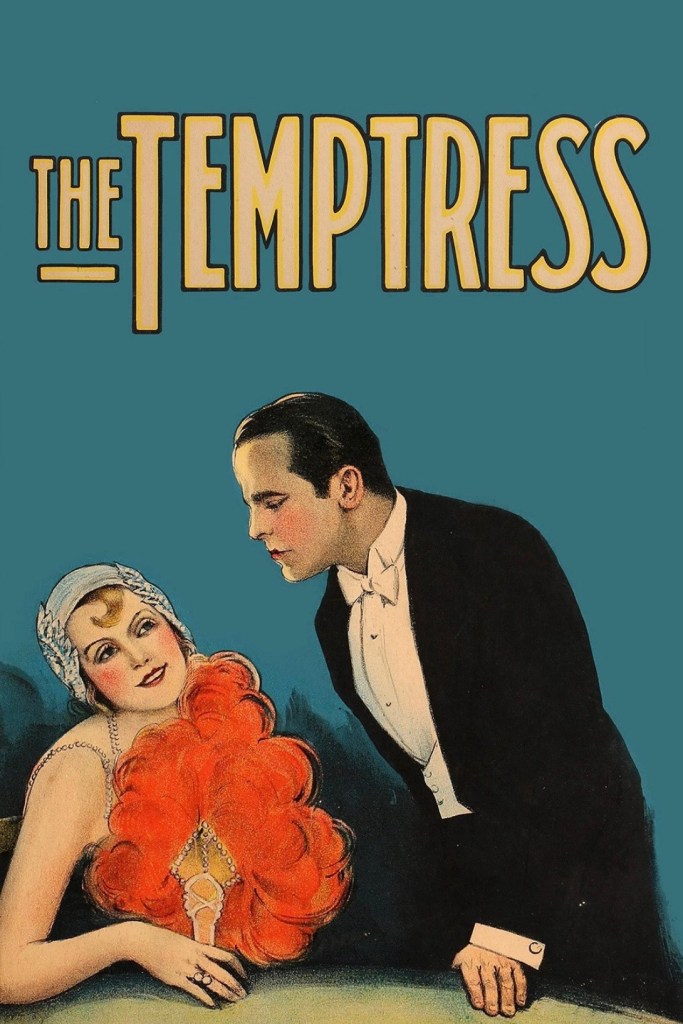
Film poster for The Temptress (1926); directed by Fred Niblo.
Principle Cast
Greta Garbo as Elena
Antonio Moreno as Manuel Robledo
Marc McDermott as M. Fontenoy
Lionel Barrymore as Canterac
Review
Bold and gorgeous cinematography. Excellent performances by entire cast, especially Garbo and Moreno. Worth watching for the whip fight alone, that was really hot. An all-around good time. Watched as part of the collection TCM Archives: The Garbo Silents Collection, which included as a special feature an alternate ending which was *much* better than the one originally chosen. I guess that with Garbo, it made more sense to go with the most depressing option. She just had that aura of melancholia about her. RIP.
Thanks as always for being a faithful reader of The Voracious Cinephile. If you like what you see, please like, comment, follow, and subscribe to my email list to get notified of new posts as soon as they drop. Keep watching the world, one frame at a time.
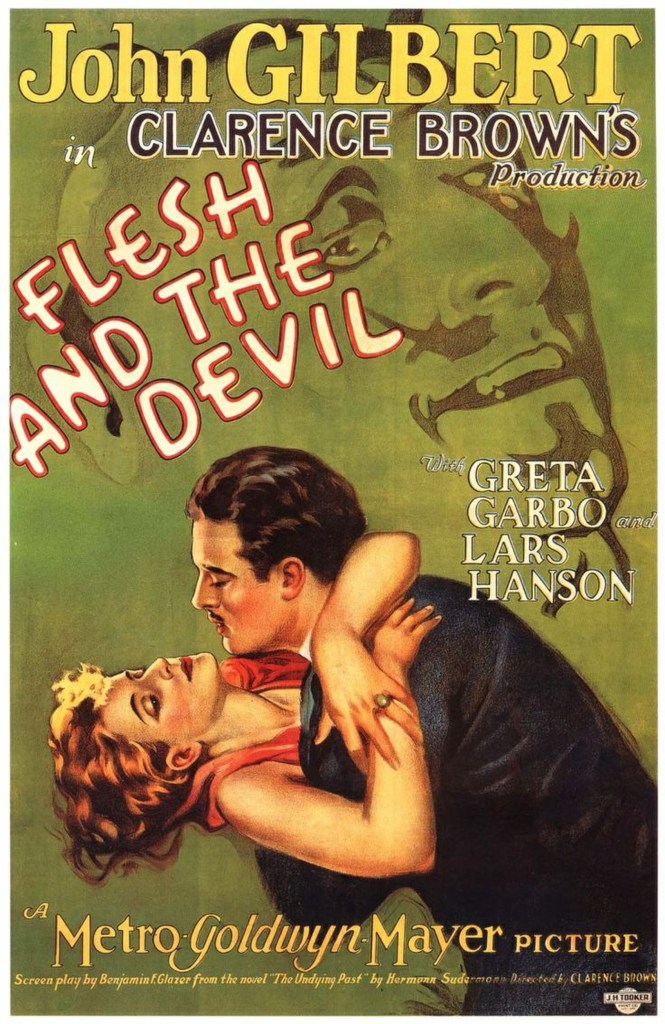
Film poster for Flesh and the Devil (1926); directed by Clarence Brown.
Principal Cast
John Gilbert as Leo von Harden
Greta Garbo as Felicitas von Rhaden
Lars Hanson as Ulrich von Eltz
Barbara Kent as Hertha
Review
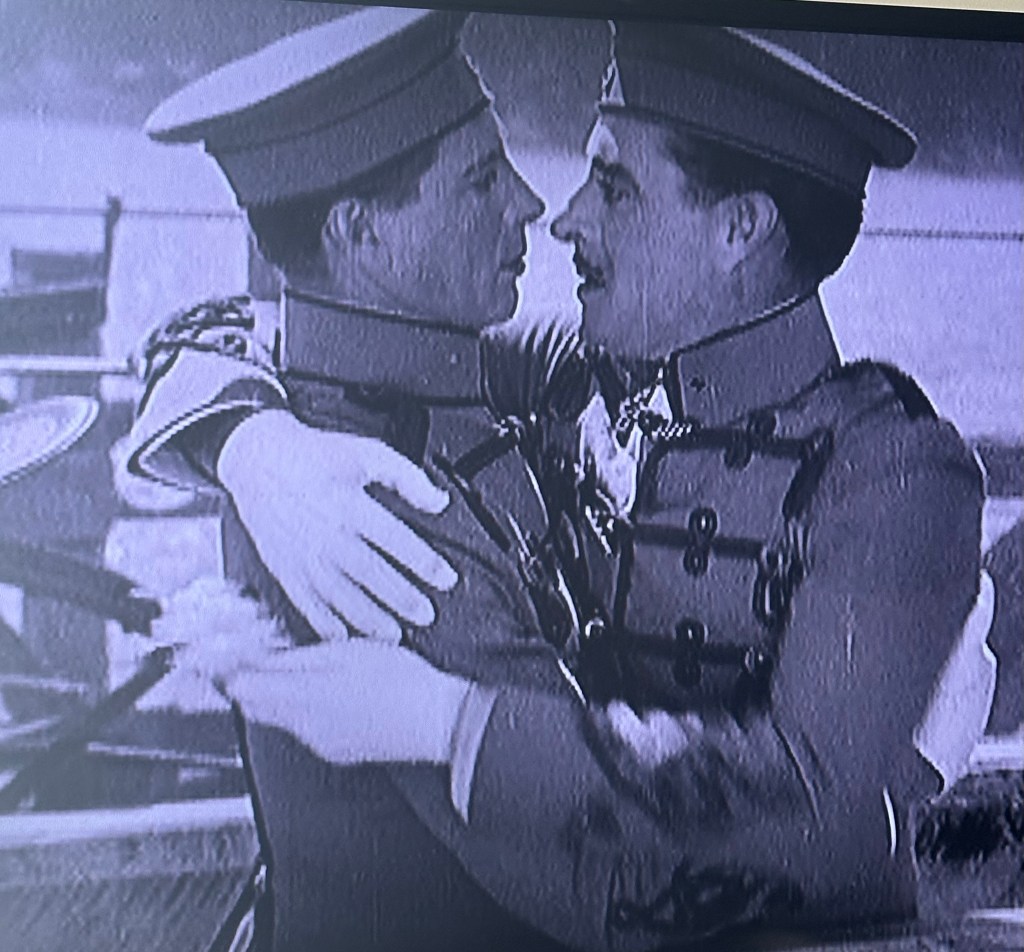
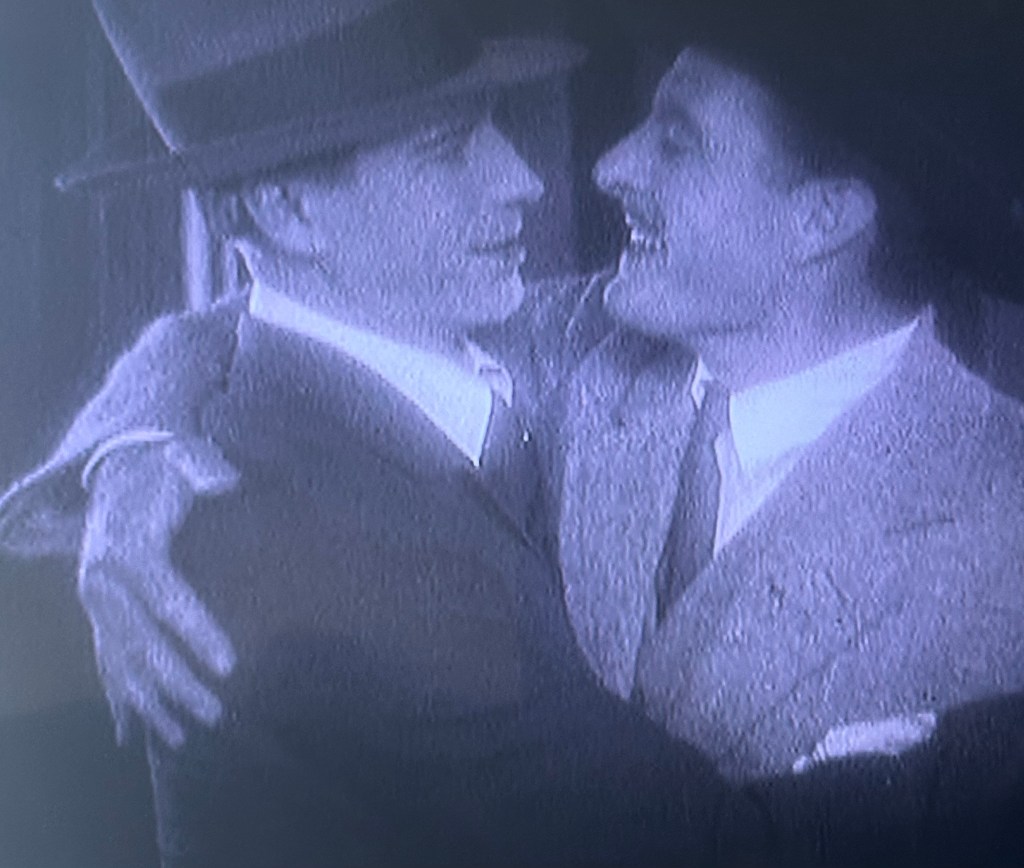
This was even better the second time. Greta Garbo plays Felicitas von Rhaden, a countess who basically interrupts the latent homosexual ersatz marriage between best friends Leo (John Gilbert) and Ulrich (Lars Hanson). They come so close to kissing so many times on screen that you’re practically clawing at the screen to make them take that leap. As I saw someone else on Letterboxd say in their review, only Greta Garbo could convince two gay men that they’re “temporarily heterosexual”.
The yearning.Just smooch already.
I mean, just read this pledge they make to each other on their secret island of friendship (which is an actual island) as children and tell me it doesn’t at least vaguely resemble wedding vows:
“By this rite of blood we are united…in riches and in poverty…in love and in sorrow…in life and in death…..”
*plays Wedding March*
Ulrich’s sister Hertha (Barbara Kent) is even standing between them while they make this blood oath as a sort of officiant. The DVD copy I borrowed from the library which included Flesh and the Devil as part of TCM Archives: The Garbo Silents Collection had an alternate ending which is way more heterosexual than the original one. It interrupts a gorgeous bucolic scene (post-original ending) of Leo and Ulrich enjoying an afternoon of blissful domesticity out on the lawn by having Hertha (Kent) declare she’s moving to Munich and Leo follows after her and they decide to get together. She had spent most of the film pining after him while he was having bisexual fits over Felicitas (Garbo) and Ulrich.
What an unnecessary coda. If they had ended the alternate ending with Leo (Gilbert) and Ulrich (Hanson) simply enjoying each other’s company out on the lawn without having to inject it with forced heterosexuality it would have been so beautiful. Why can’t we have nice things? Talk about having a lifestyle shoved down your throat.
P.S. I would love to know the specific dark lipstick they had on Ulrich for the majority of the film because I think it at least partially inspired Taylor Swift’s reputation album.
Thanks as always for being a faithful reader of The Voracious Cinephile. If you like what you see, please like, comment, follow, and subscribe to my email list to get notified of new posts as soon as they drop. Keep watching the world, one frame at a time.
Album cover for What A Devastating Turn of Events by Rachel Chinouriri.
Album: What A Devastating Turn of Events by Rachel Chinouriri
Why I Love and Recommend It:
Every now and then, an artist of unique and arresting vision arrives on the scene to shake us out of our complacency and remind us that there is still space available for the fresh and original. Rachel Chinouriri is just such an artist, although she is by now an industry veteran, although one without the widespread name recognition and fame she deserves.
If you’re going to listen to any song on this album, let it be “Robbed”. Talk about lyricism!!!
Thanks as always for being a faithful reader of The Voracious Bibliophile. If you like what you see, please like, comment, follow, and subscribe to my email list to get notified of new posts as soon as they drop. Keep watching the world, one frame at a time.
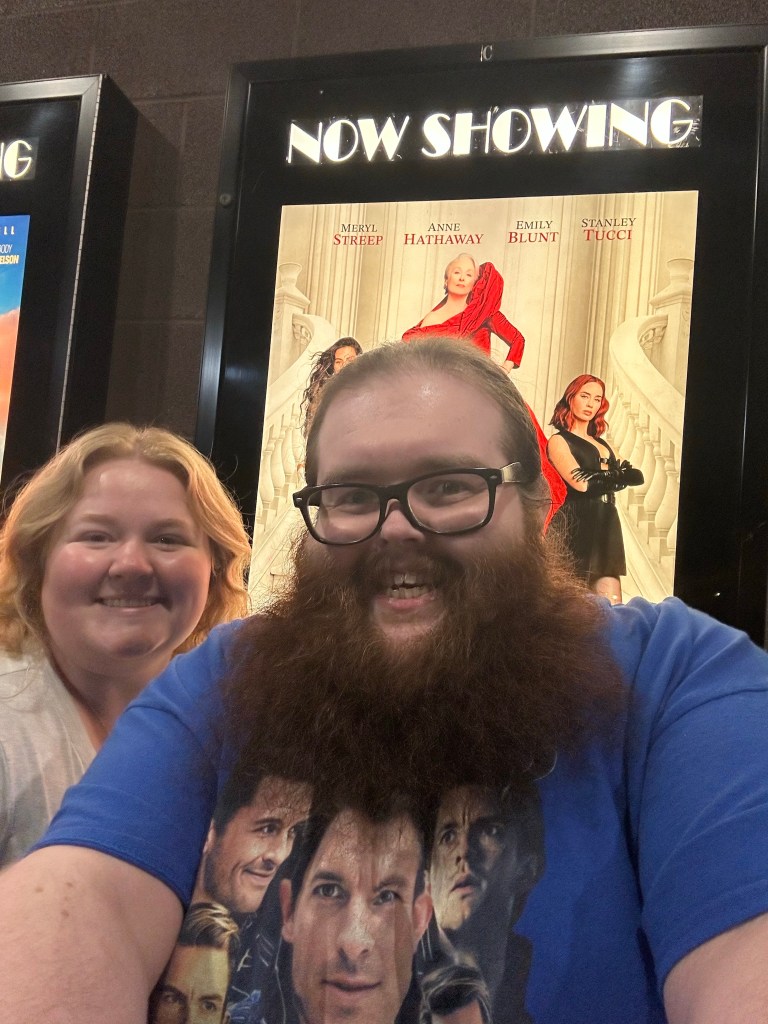
Pictures of me and my bestie Shelby when we went to see The Devil Wears Prada 2.
I don’t always feel like doing full reviews. Sometimes I will and can, sometimes I’d like to let stuff move through me and speak on its own merits. Sometimes I love things without having a fully articulated reason as to why, and I’m giving myself permission to indulge in brevity when I want to and discursive length when it’s justified or I have the fortitude.
Basically, I’m going to do whatever the hell I want to.
Thanks as always for being a faithful reader of The Voracious Bibliophile. If you like what you see, please like, comment, follow, and subscribe to my email list to get notified of new posts as soon as they drop. Keep watching the world, one frame at a time.
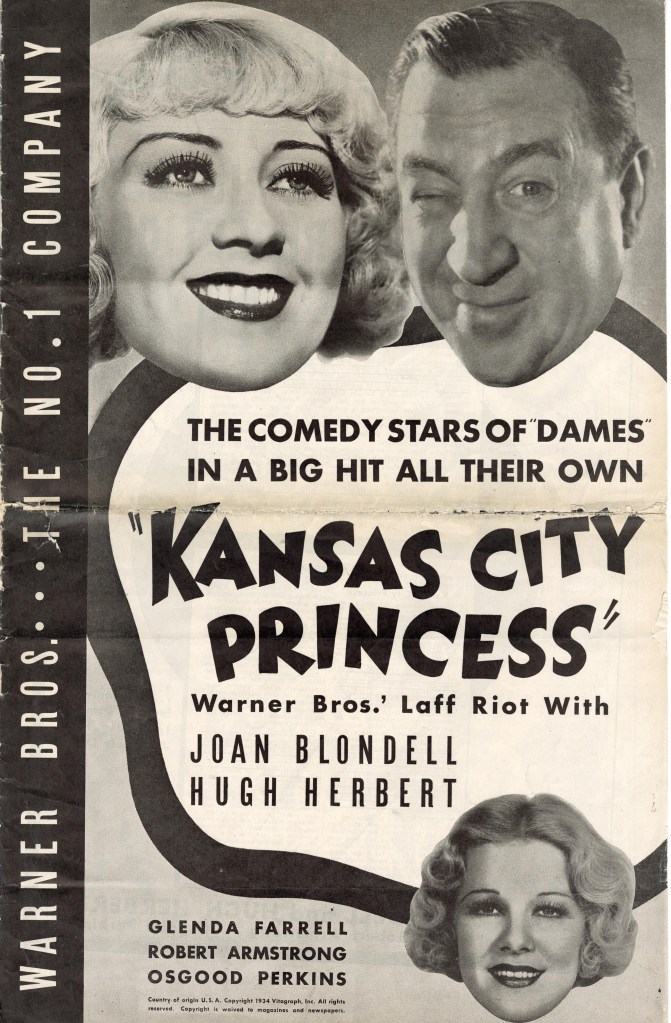
Film poster for Kansas City Princess (1934); directed by William Keighley.
Review
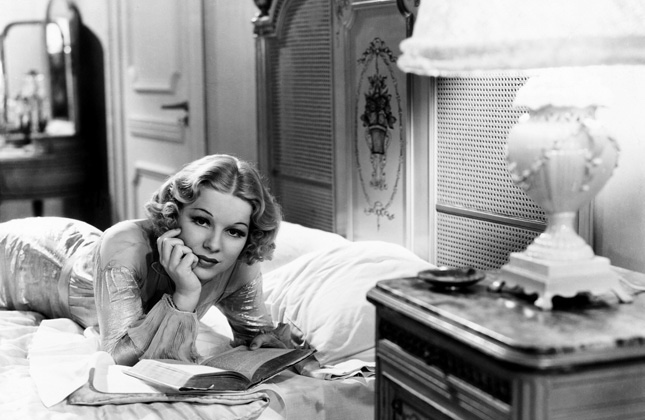
Any pairing of Joan Blondell and Glenda Farrell is a wonder to behold, even when the plot is a bit too contrived and there’s not enough screen time to make all the loose threads coming together believable. Blondell and Farrell play manicurists Rosie (Blondell) and Marie (Farrell) who are also roommates. Rosie’s boyfriend is a tough guy gangster named Dynamite Carson (Robert Armstrong). Marie doesn’t like him at all, so she talks Rosie into going to dinner with a customer who, unbeknownst to them, is an associate of Dynamite’s.
Joan Blondell as Rosie Sturges in Kansas City Princess. Image subject to copyright.
He finds out, of course, and vows revenge, so the girls hightail it out of town by posing as members of a girl’s group that looks like the Girl Scouts. They then finagle their way into the good graces of two businessmen who they swindle into paying for their tickets to Paris and clothes for the journey too. Hijinks ensue, especially after Dynamite catches up with them. It’s all very low stakes despite the threat of murder (which isn’t believable at all — Robert Armstrong’s Dynamite looks more likely to flip you off in traffic than actually initiate a physical altercation), so you’re not going to be on the edge of your seat or anything.
Glenda Farrell as Marie Callahan in Kansas City Princess. Image subject to copyright.
All in all, I enjoyed it. When I see those two on screen, I know I’m going to be entertained and that’s all that matters to me.
Kansas City Princessis streaming on Watch TCM through April 26th and is also available to own on DVD through the Warner Archive Collection.
Thanks as always for being a faithful reader of The Voracious Cinephile. If you like what you see, please like, comment, follow, and subscribe to my email list to get notified of new posts as soon as they drop. Keep watching the world, one frame at a time.
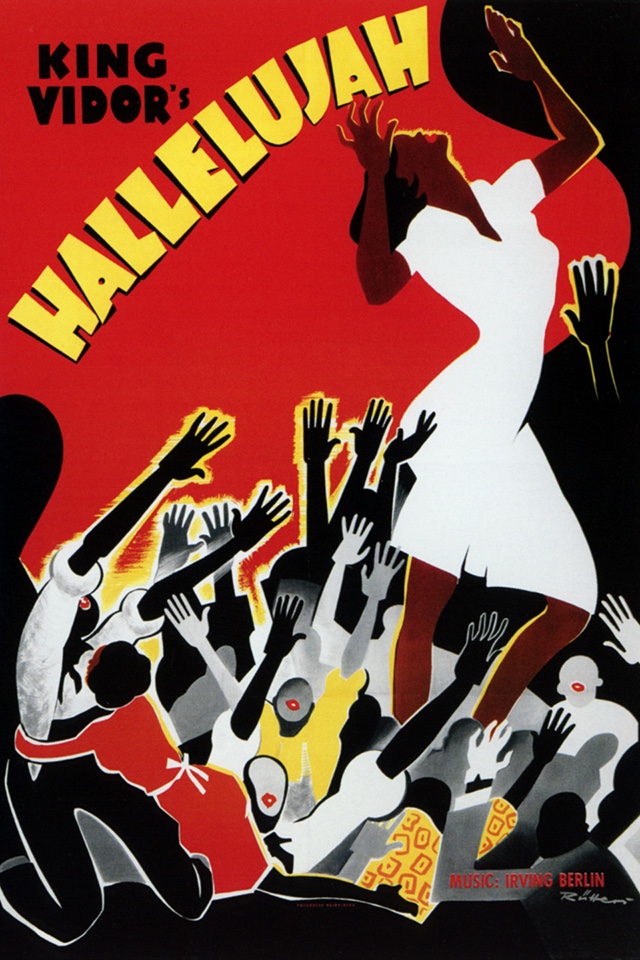
Film poster for Hallelujah (1929); directed by King Vidor.
Review
“Excuse me, Missy Rose, but it looks like the devil’s in me tonight.” – Zeke
Though not without its valid criticisms (for its racial stereotypes, chiefly), Hallelujah was a landmark for Black representation on film. And to reduce it to its stereotypes would do a great disservice to the cast and (racially-mixed) production crew, because all in all Hallelujah is a remarkable film. Nina Mae McKinney is especially delightful, and it’s a shame she didn’t get the same opportunities as white actresses of the time, because she was able to do comedy and drama equally well.
You can see the spiritual transformation play out on her face and in her body language.
Nina Mae McKinney as Chick in Hallelujah.
My favorite scene in the entire film is when Chick (Nina Mae McKinney) is listening to Zeke’s (Daniel L. Haynes) passionate sermon and goes from scornful to deeply moved. You can see the spiritual transformation play out on her face and in her body language. She’s a phenomenal actress with a vivaciousness and physicality that she makes look easy, while the opposite is true.
Hallelujahis available to stream for free on Tubi and is also available to own on DVD.
Thanks as always for being a faithful reader of The Voracious Cinephile. If you like what you see, please like, comment, follow, and subscribe to my email list to get notified of new posts as soon as they drop. Keep watching the world, one frame at a time.
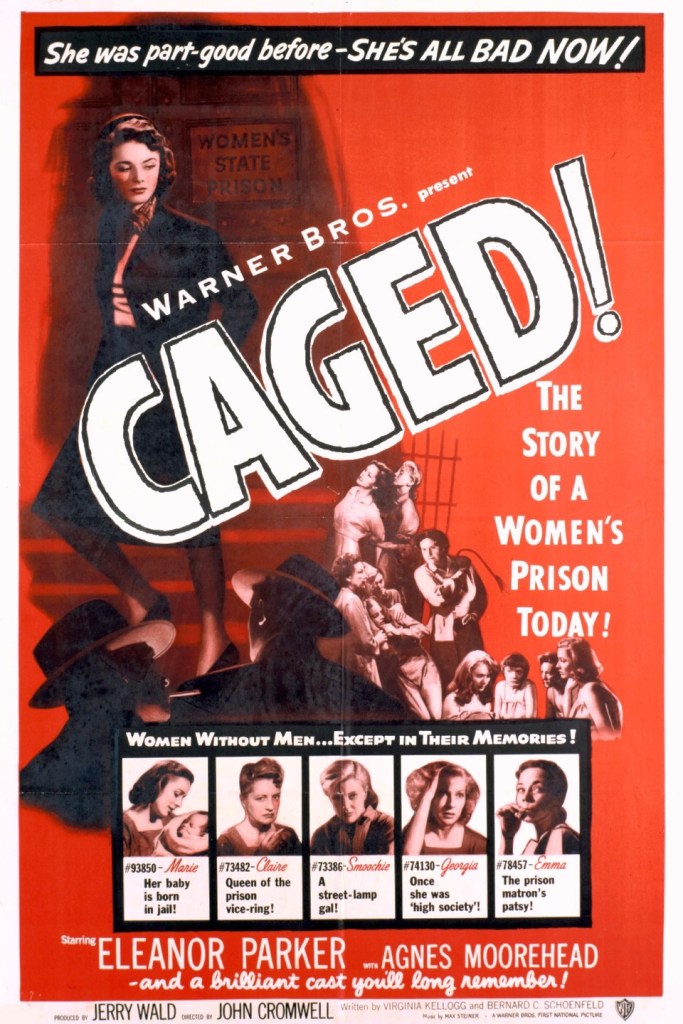
Film poster for Caged (1950); directed by John Cromwell.
Review
This is your warning that there are spoilers ahead. If you don’t want any of the plot of Caged spoiled, stop reading now until you’ve seen the film.
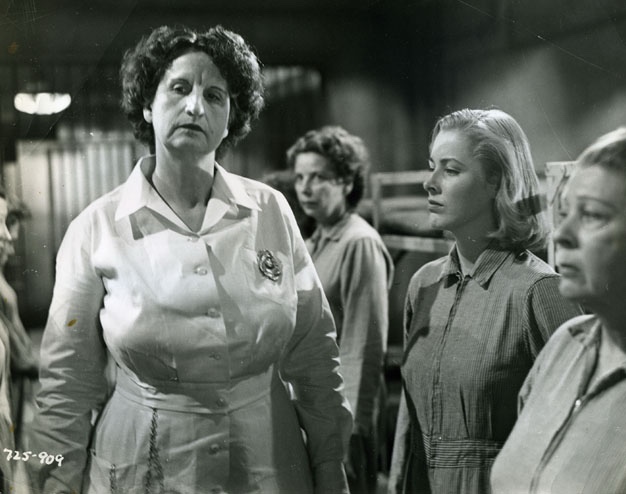
What a delicious, delightful treat this movie is. Hope Emerson is the ultimate screen baddie, and this is the meatiest role she ever got as prison matron Evelyn Harper. Emerson’s Evelyn is queer-coded to the nines, and there’s very little subtext. We love Evil Gays.
We love Evil Gays.
Hope Emerson (farthest left) as women’s prison matron Evelyn Harper. Image subject to copyright.
Eleanor Parker makes the biggest transformation of any of the characters in the film, going from a doe-eyed ingenue to a hardened criminal after losing her baby to adoption and finding out that the system is designed to keep her incarcerated, not help her transition to life on the outside.
Agnes Moorehead plays a rare sympathetic role as prison superintendent Ruth Benton, a no-nonsense but very caring woman who works overtime in the cruel and corrupt system to make her prison a place for rehabilitation and healing, not punishment and brutality.
Last but certainly not least, Betty Garde’s character Kitty Stark reminds one of Kate Mulgrew’s Red in Netflix’s Orange Is the New Black, so much so that one wonders if Mulgrew took inspiration from Garde. Garde as Kitty Stark is sardonic and hardened, but not unfeeling. She’s someone who’s had to play the cards she’s dealt, and she makes no apology for it. Seeing Evelyn break her is heartbreaking. But she gets what’s coming to her, thank God!
Cagedis streaming now on Watch TCM and was recently featured on Eddie Muller’s Noir Alley programming block on the channel.
Thanks as always for being a faithful reader of The Voracious Cinephile. If you like what you see, please like, comment, follow, and subscribe to my email list to get notified of new posts as soon as they drop. Keep watching the world, one frame at a time.
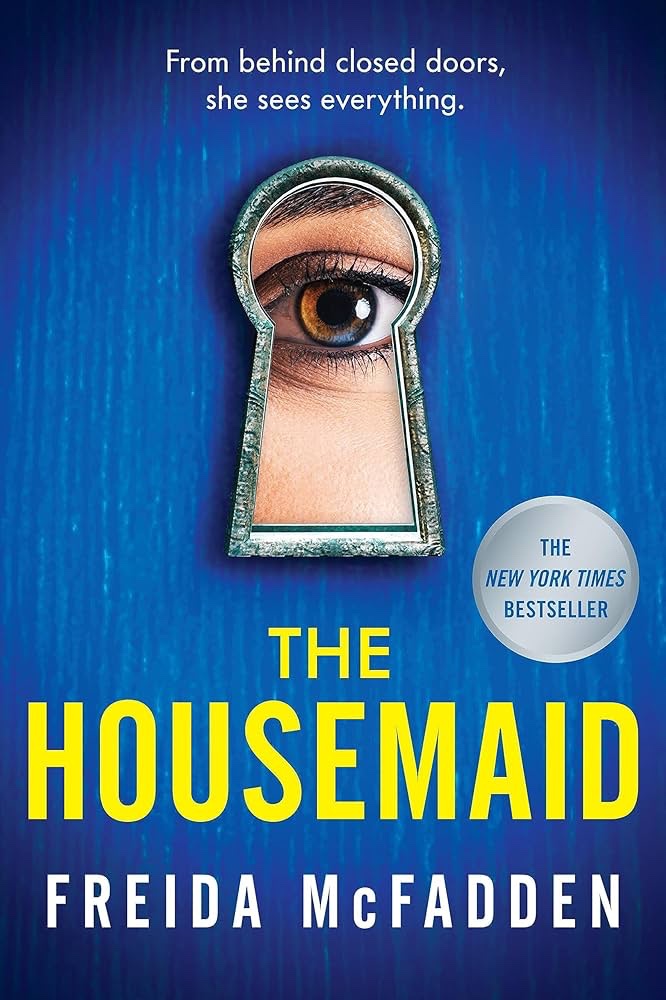
Full of the twists and turns that fans of Freida McFadden have come to expect from the newly-minted Queen of Suspense, The Housemaid is one of those books that takes old tropes and breathes new life into them. I tried my best to be a hater, thinking that no book this hyped could actually be good, but it was a thrill ride from beginning to end. I highly recommend reading it with a friend because you’ll want to have someone to talk to when the twists start coming.
I read it with one of my coworkers and we’re on to the second book now. Several of my customers have told me the second and third books in the series aren’t as good but I guess we’ll find out.
The Housemaidcan be purchased wherever books are sold, but I bought my copy through Books-A-Million, so that’s where I’m linking to.
Thanks as always for being a faithful reader of The Voracious Bibliophile. If you like what you see, please like, comment, follow, and subscribe to my email list to get notified of new posts as soon as they drop. You can also email me at fred.slusher@thevoraciousbibliophile.com or catch me on Twitter, Instagram, TikTok, and Pinterest @voraciousbiblog. Keep reading the world, one page (or pixel) at a time.
As always, I’m running behind, so without further ado, here are my picks for this year’s ceremony:
Thanks as always for being a faithful reader of The Voracious Cinephile. If you like what you see, please like, comment, follow, and subscribe to my email list to get notified of new posts as soon as they drop. Keep watching the world, one frame at a time.
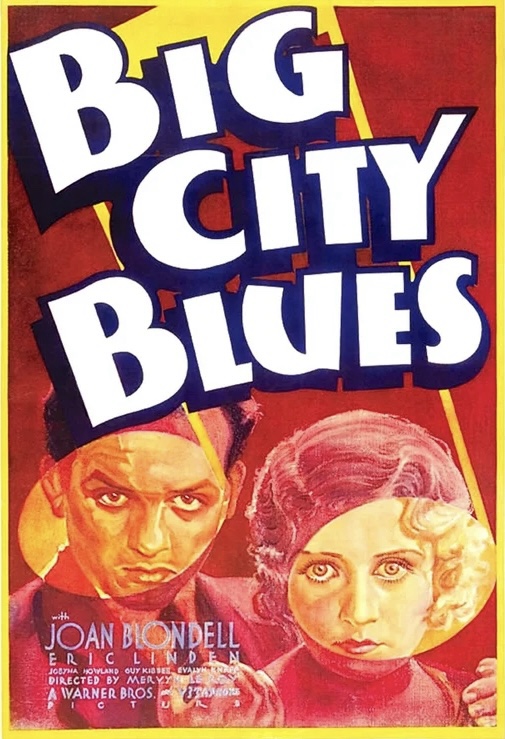
Film poster for Big City Blues (1932); directed by Mervyn LeRoy.
Big City Blues opens with Bud Reeves (Eric Linden) inheriting money from his aunt (which occurs offscreen) and buying a train ticket to New York City. Before he leaves, he entrusts care of his dog (who escaped to follow Bud to the station) to the wise old bus station clerk (Eddie Graham). The best monologue in the film comes courtesy of the clerk (Graham), who tries his best to inject a little reality into the moony-eyed youngster, all to no avail, of course.
When Bud (Linden) gets to New York and checks into his hotel room overlooking the park, his older cousin Gibby (Walter Catlett) meets him and starts fleecing him out of his money, a little bit at a time. Gibby (Catlett) introduces him to two young ladies, Vida Fleet (Joan Blondell) and her friend Faun (Inez Courtney). Bud immediately falls head-over-heels in love with Vida (Blondell), and it appears she’s also taken with him.
Gibby organizes a party in Bud’s hotel room, with plenty of booze flowing (all on Bud’s dime, you see) and a ragtag group of other young people (including Humphrey Bogart and Lyle Talbot in uncredited roles). A fight breaks out in which a young chorus girl named Jackie (Josephine Dunn) is accidentally killed, and the partygoers flee like cockroaches. Bud is left holding the bag, so to speak, but quickly flees. Vida goes back to the room looking for Bud but sees that he’s also gone. When she’s still in the room, Hummell (Guy Kibbee) the hotel dick discovers Jackie’s body and Vida slips out.
Local police throw out a dragnet to snare the partygoers and get to the bottom of who killed Jackie. Bud goes in search of Vida and finally meets up with her at the 55 Club. For lack of anything better to do, the two go upstairs to gamble at dice and Bud loses what’s left of his inheritance. This is the most frustrating part of the film because why in the name of God would you gamble your fortune away when you’re facing trumped-up murder charges?! Please make it make sense. Such is the bedlam often found in so many Pre-Code classics. Anyway, a detective who’s been trailing Vida all day confronts the pair and arrests them.
While Bud, Vida, and the other partygoers are being interrogated, Hummell (Kibbee) finds the body of Lenny (Talbot) hanging in a closet holding part of the broken bottle that matches the one found near Jackie. After accidentally killing her, he was overwhelmed with guilt (presumably) and hanged himself. Cleared of suspicion and free to go, Bud and Vida exchange a tearful goodbye. It’s insinuated that Bud will one day return for Vida, as his feelings for her are reciprocated, but he is flat broke and needs to go back home and save up money.
The last shot of Blondell looking longingly at Bud as he’s heading to the station is perhaps the most emotion I’ve ever seen from her in a picture. There are tears welled up in her eyes, but she’s strength personified. In that brief moment, we see a woman who’s almost never had the breaks fall her way, but she’s resilient. It’s breathtaking, and a testament to her versatility as an actress. She truly was one of a kind.
Thanks as always for being a faithful reader of The Voracious Cinephile. If you like what you see, please like, comment, follow, and subscribe to my email list to get notified of new posts as soon as they drop. Keep watching the world, one frame at a time.