

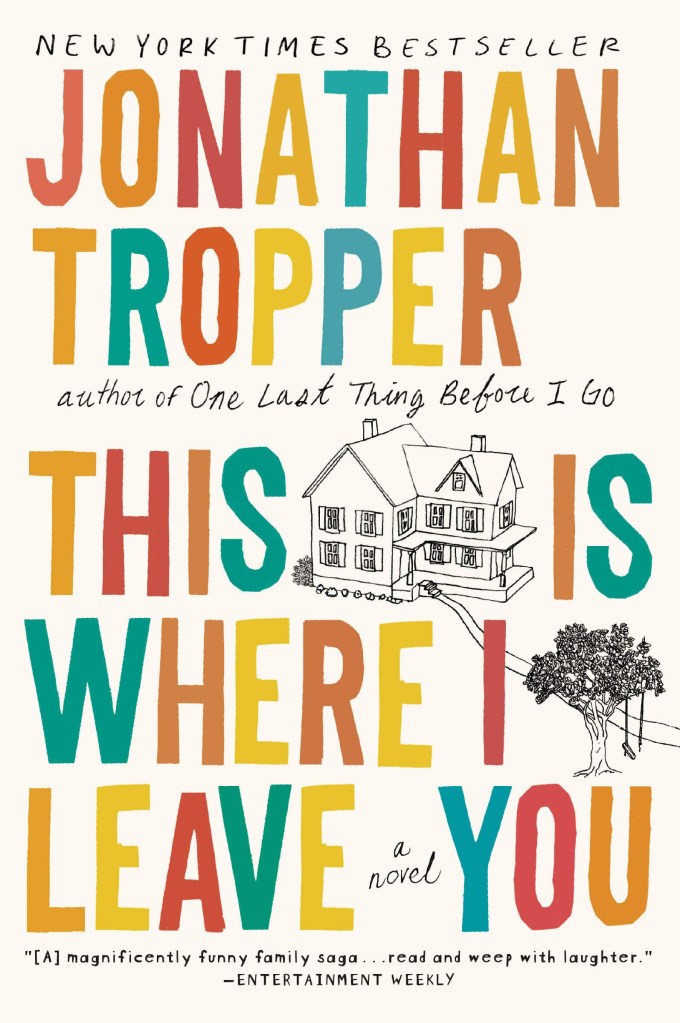
You never know when it will be the last time you’ll see your father, or kiss your wife, or play with your little brother, but there’s always a last time. If you could remember every last time, you’d never stop grieving.
You never know when it will be the last time you’ll see your father, or kiss your wife, or play with your little brother, but there’s always a last time. If you could remember every last time, you’d never stop grieving.

Today’s poem is one of my favorites. I hope you love it as much as I do.
In this life,
I was very minor.

I was a minor lover.
There was maybe a day, a night
or two, when I was on.

I was, would have been,
a minor daughter,
had my parents lived.

I was a minor runner. I was
a minor thinker. In the middle
distance, not too fast.

I was a minor mother: only
two, and sometimes,
I was mean to them.

I was a minor beauty.
I was a minor Buddhist.
There was a certain symmetry, but
it, too, was minor.

My poems were not major
enough to even make me
a “minor poet,”

but I did sit here
instead of getting up, getting
the gun, loading it.

Counting,
killing myself.
Copyright © 2016 Olena Kalytiak Davis. Originally published in Poem-a-Day on May 31, 2016, by the Academy of American Poets.
Thanks as always for being a faithful reader of The Voracious Bibliophile. If you like what you see, please follow, like, comment, and subscribe to my email list to get notified of new posts as soon as they drop. You can also email me at thevoraciousbibliophile@yahoo.com or catch me on Twitter @voraciousbiblog. Keep reading the world, one page (or pixel) at a time.
No person, no matter how important society deems their relationship to you, has the right to denounce you for who you are.
You’re all bluster & melodrama
Empire State of Eden’s
Rejects, Mama
You can still be a racist even though
You voted for Obama (Twice)

And I take meds to be a little
Less me in melancholia
Debutante in repose,
Rhinoplastied nose your dad
Bought you in Santa Fe but

I had to keep my ugly
And my secrets and my sighs tucked
Like a melody on a dusty piano
While you were in Reno
Getting turnt & twisted on the boulevard of broken dreams

You told me in aught three my
Songs were poorly written but I kept
Sparring with my demons & writ
My lonesomeness into dust & made myself free
Thanks as always for being a faithful reader of The Voracious Bibliophile. If you like what you see, please follow, like, comment, and subscribe to my email list to get notified of new posts as soon as they drop. You can also email me at thevoraciousbibliophile@yahoo.com or catch me on Twitter @voraciousbiblog. Keep reading the world, one page (or pixel) at a time.
Copyright © 2021 Fred Slusher. All rights reserved.
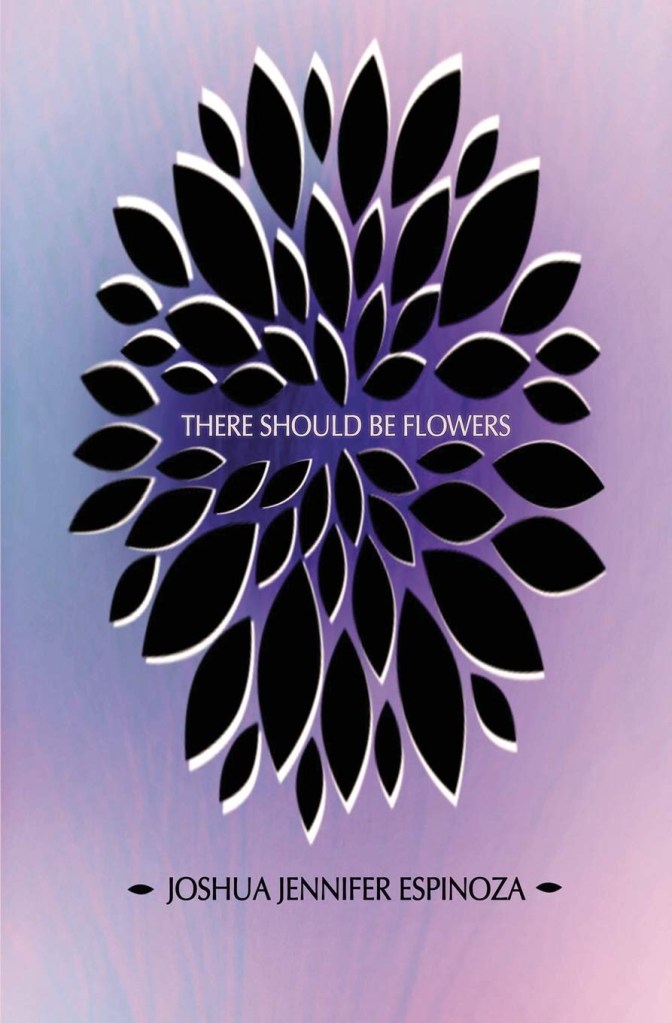
There should be more to life
than disruption
and survival
but there isn’t.
There should be birds
singing your name.
There should be paintings
the size of skyscrapers
memorializing your body.
There should be love
for you
in everything.
There should be a billion women
jumping at the same time
to move the earth off its course.
There should be parties
to celebrate
the end of this world.
There should be flowers
to welcome
a new one.

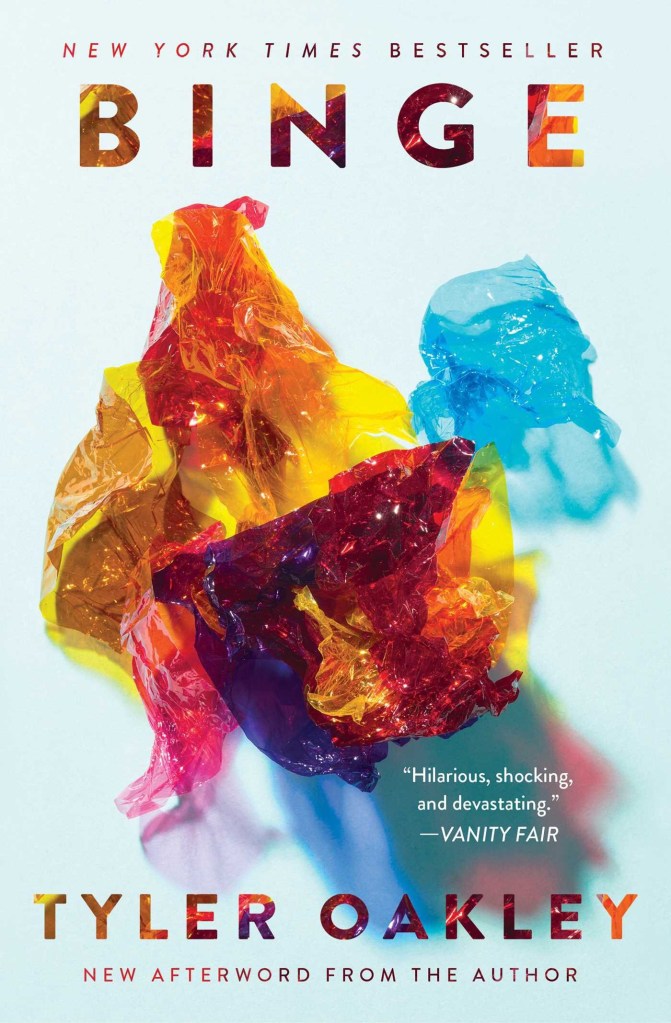
I don’t want the people who love me to avoid the reality of my body. I don’t want them to feel uncomfortable with its size and shape, to tacitly endorse the idea that fat is shameful, to pretend that I’m something I’m not out of deference to a system that hates me. I don’t want to be gentled like I’m something wild and alarming. If I’m gonna be wild and alarming, I’ll do it on my terms.
Thank God for Lindy West. When I first read Sbrill, which in my opinion is one of those books we’ll look back on in twenty or thirty years as a seminal feminist text, it enlightened me to something I had never before considered—that I didn’t have to experience shame surrounding my identity as a fat person. Shrill taught me, or perhaps reinforced for me, the idea that shame is a cultural construct wielded as social currency by dominant groups to keep the outgroups marginalized and silent.
Shrill taught me, or perhaps reinforced for me, the idea that shame is a cultural construct wielded as social currency by dominant groups to keep the outgroups marginalized and silent.
I’ve had so many loved ones, so many friends and family members, shy away when the topic of conversation shifts to my body. Or worse, they say something like, “You’re not fat. You’re beautiful.” Ergo, I can never be beautiful and exist in a fat body. Meanwhile, I know they’re lying to my over 300-pound ass. I know it. They know I’m fat. I know I’m fat. We are both cognizant of the shared knowledge of my fatness. To pretend otherwise, to tacitly ignore the reality of my body, is an act of erasure. And it is unacceptable.
Ergo, I can never be beautiful and exist in a fat body. Meanwhile, I know they’re lying to my over 300-pound ass. I know it. They know I’m fat. I know I’m fat. We are both cognizant of the shared knowledge of my fatness. To pretend otherwise, to tacitly ignore the reality of my body, is an act of erasure. And it is unacceptable.
There’s also a nuance, just below the surface, subtextual, corrosive—that implies that I’m not like those other fat people, those disgusting people who shovel in food at buffets—I’m one of the good fat people who does everything right and just remains fat as a cruel act of God. It rains on the just and the unjust. Being fat, though, is neither a punishment nor an unfortunate act of God. It is not a consequence of poor choices or diet or any sort of ableist bullshit you’ll encounter on daytime television—that blesséd time of day when we degenerate fatties are vacuuming up potato chips with our hungry mouths and finishing everyone’s leftovers from the night before.
…I deserve—we all deserve—the unabashed and unadulterated truth of our bodies. Let us be celebrated or let us be damned. I will not accept a third option.
Fat just is. And I deserve—we all deserve—the unabashed and unadulterated truth of our bodies. Let us be celebrated or let us be damned. I will not accept a third option.
Thanks as always for being a faithful reader of The Voracious Bibliophile. If you like what you see, please follow, like, comment, and subscribe to my email list to get notified of new posts as soon as they drop. You can also email me at thevoraciousbibliophile@yahoo.com or catch me on Twitter @voraciousbiblog. Keep reading the world, one page (or pixel) at a time.
People who write for a living, and really artists in general (regardless of their medium), often reach points where their well has run dry. We’ve all been there. Staring at the blank page before you. Open up the dirty window. Let the sun illuminate the words that you cannot find…looks like I’ve veered into Unwritten by Natasha Bedingfield! But Natasha has a point. Sometimes you just need to get out of your own head (i.e. feel the rain on your skin) to get your creative motors cranking. There are innumerable ways to unfunk yourself but I hope these five help you to get started.
The time-honored image of the messy artist is as old as art itself. And I’d be lying if I said that most of the people I’ve come across who create for a living don’t struggle with keeping their living spaces in working order. After all, who cares about dirty dishes or piles of laundry when you have the next Great American Novel to write?
The sad truth however is that it’s hard to hone in on something like a tricky plot point when your living space looks like something off of Hoarders. So start by tidying up the area you spend the most time in. Pick up and throw away trash, take your dirty dishes to the kitchen, make your bed, and make liberal use of a can of Febreze.
Once your living space looks neater, there’ll be more space in your head for what matters most.
Once your living space looks neater, there’ll be more space in your head for what matters most.

It’s hard to do anything if you’re not well-rested, and sometimes the thing you need most is a good long nap. That poem, story, or blog post can wait until later. Turn off your phone, shut the blinds, and clear your mind. When you wake up, you’ll be ready to get to it. If you’re lucky, your dreams may give you ideas for your next project!

If you don’t have time to read, you don’t have the time (or the tools) to write. Simple as that.
Stephen King
Stephen King said it best. Although this advice applies primarily to writers, its applicability transfers to any creative endeavor. People who want to make great films need to be watching great films. You can’t become the next Scorsese or Gerwig by watching the same shitty Mark Wahlberg movies over and over again ad nauseam. You can’t become the next Picasso or Rembrandt if you don’t study the Masters. Art begets art.
You can’t become the next Scorsese or Gerwig by watching the same shitty Mark Wahlberg movies over and over again ad nauseam.
God, this is a hard one, especially for perfectionists like yours truly. But anything worth doing well is worth doing badly at least 6,543,789 times in order to perfect your craft. If you’re afraid of failing and never allow yourself to clear your cache by putting vomit on paper, you’re never going to write anything worth reading. Now, I’m not saying to go out in the world and share your shitty Grey’s Anatomy fan-fiction, but I’m not not saying to either.

Everyone needs a sounding board. There are innumerable collectives for creatives to join and if you can’t find a group you like then make your own. Having another person or a group of people to share your work with and give you insightful critiques is invaluable. An added benefit is that by participating in just such a group, you also expand your network and become a node on the networks of everyone who’s in your group as well. You never know which contact will help you get agented or sell your first book or agree to exhibition your work. So connect, connect, and then connect some more.
I hope these five tips will give you a good starting point toward sparking creativity in your own life. The creative life is extremely rewarding for anyone who is willing to give it their all and I wish you nothing but success and happiness on your journey as not only an artist but a human being as well. Take care, my friends.
Thanks as always for being a faithful reader of The Voracious Bibliophile. If you like what you see, please follow, like, comment, and subscribe to my email list to get notified of new posts as soon as they drop. You can also email me at thevoraciousbibliophile@yahoo.com or catch me on Twitter @voraciousbiblog. Keep reading the world, one page (or pixel) at a time.
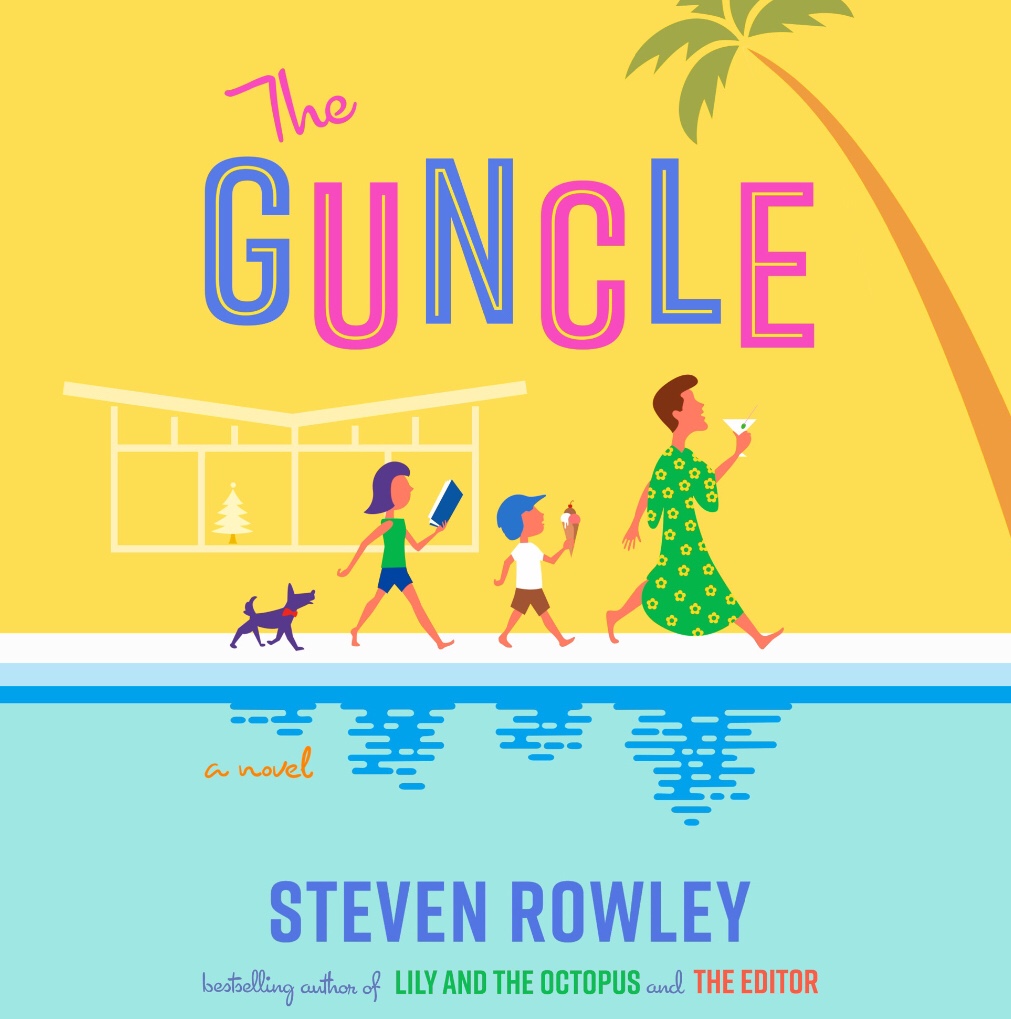
If Full House’s Uncle Jesse had been an actor instead of a musician and gay instead of a womanizer, you’d have Gay Uncle Patrick (referred to affectionately as GUP by his niece and nephew).
When we first meet Patrick O’Hara, he’s a semi-retired former sitcom star who’s exiled himself to Palm Springs with nothing but a big empty house and his coveted Golden Globe to keep him company. He’s witty, charismatic, and wholly self-absorbed—a stereotypical Hollywood darling if ever one graced the screen.
His tranquil life is interrupted when his best friend and sister-in-law Sara passes away from a long illness. He learns that in addition to the tragedy of Sara’s death, his brother Greg is addicted to painkillers and needs to check himself into rehab for the duration of the summer. While he’s in rehab, Greg asks Patrick if he will take care of his children, Maisie and Grant.
Initially, Patrick is aghast at the prospect of being the sole caretaker to two young children who have just lost their mother, but he reluctantly agrees. It’s only for the summer, after all, and he feels like it’s the least he can do for Sara—a final act of kindness.
Patrick’s first bumbling interactions with his niece and nephew are comedic gold because it is obvious Patrick is not used to entertaining children. His oblique pop culture references would be lost on almost anyone outside of a drag bar, so he might as well be speaking Japanese for all Maisie and Grant understand him.
Throughout their stay Patrick realizes how much he’s been missing from his life. As taxing as the children can be at times, they give him purpose, direction, and clarity. In the midst of grieving for Sara, he also starts processing the loss of the love of his life which we learn happened several years prior to the begging of the story. He finds his way, so to speak, at the same time he’s helping Maisie and Grant learn to navigate the scary new world that’s deprived them of their mother and isolated them from their father.
The story benefits from having several strong supporting characters, and Rowley’s narration of the audiobook version of his book is superb. The Guncle is a perfect mix of comedy and drama, with plenty to satisfy casual readers at the beach as well as the more serious-minded members of the literati. I can’t recommend it highly enough.
Anger, when justified, is glorious.
How can you tell where you’re going when you’re always looking up at the past?
You don’t want to live with Grandma and Grandpa. Why? Because they think Fox is news and raisins are food.
You can’t spell nemesis without me, sis, and you do not want to make me your enemy.
Thanks as always for being a faithful reader of The Voracious Bibliophile. If you like what you see, please follow, like, comment, and subscribe to my email list to get notified of new posts as soon as they drop. You can also email me at thevoraciousbibliophile@yahoo.com or catch me on Twitter @voraciousbiblog. Keep reading the world, one page (or pixel) at a time.

Were you ever lonely?


Did you tell people that songs weren’t
the same as a warm body, a soft mouth?
Did you know how to say no to young men
who cried outside your hotel rooms?
Did you listen to the songs they wrote,
tongues wet with praise for you?


What sweaty bars did you begin in?
Did you see them holding bottles by the neck,
hair on their arms rising as your notes hovered
above their heads?
Did you know of the girls who sang into their
     fists
mimicking your brilliance?


Did they know that you were only human?


My parents played your music at their wedding.
Called you Makeba, never Miriam, never first
     name,
always singer. Never wife, daughter, mother,
never lover, aching.


Did you tell people that songs weren’t the same
as a warm body or a soft mouth? Miriam,
I’ve heard people using your songs as a prayer,
begging god in falsetto. You were a city


exiled from skin, your mouth a burning church.

The truth is, there is no better place to live than in the shadow of a beautiful, furious mountain.
 The Voracious Bibliophile