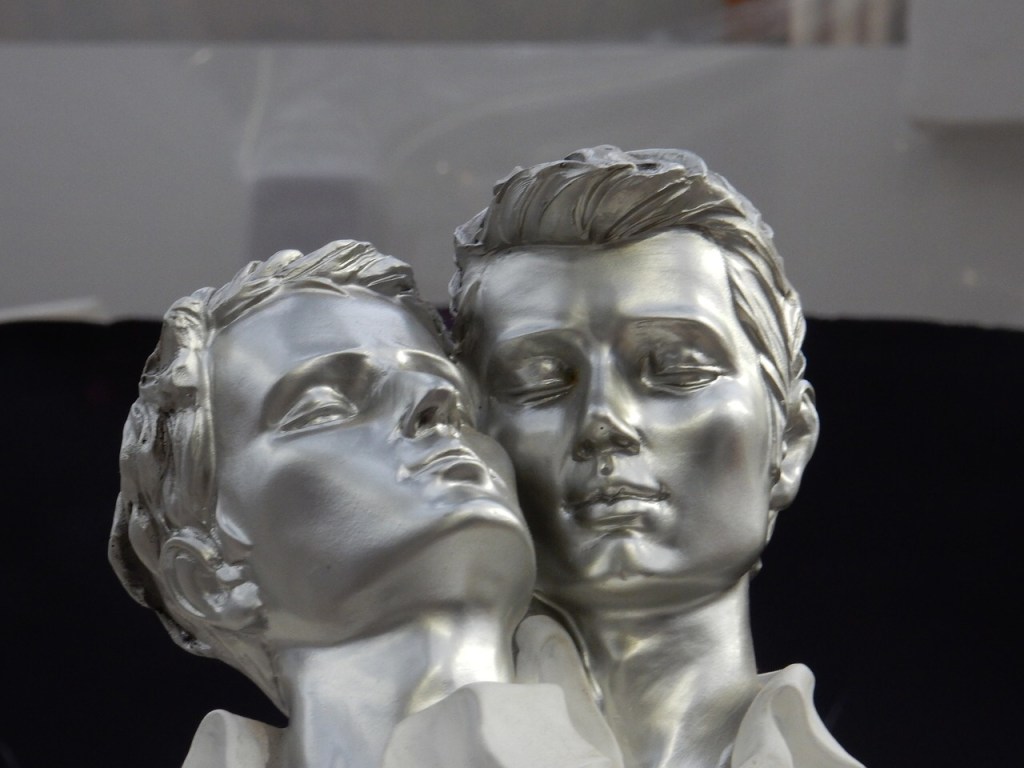
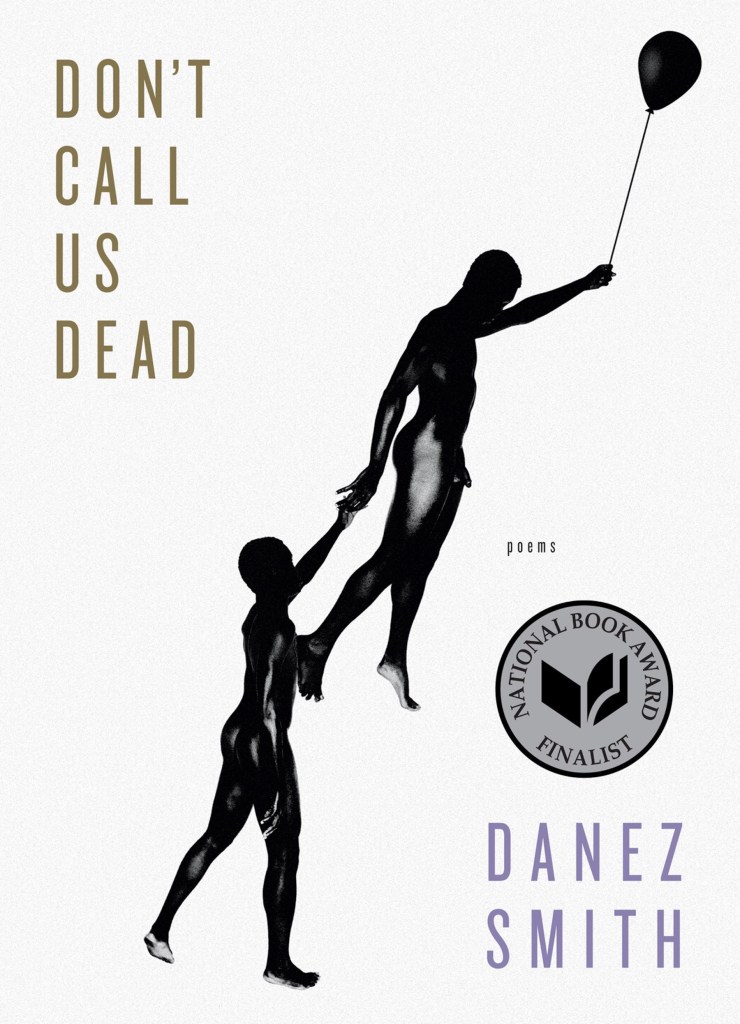
The first time I saw two men kissing, I was six, Living in 1970s L.A. My mom took care Of an elderly woman who found herself in a fix And moved into a complex of all men, bare Chested men, with cutoff jeans and tinted glasses. My mother’s friend gave me chocolates that matched Her skin—this must be heaven. These sons’ asses Peeked out beneath their shorts, but watched Over her better than mom. Took donations for heat, A sofa and a new wig—all changed her mood. They even did her laundry. They did sweet Better than honey. Did family better than blood. And between duties, two men always off alone So desire, like the dishes, could also get done.
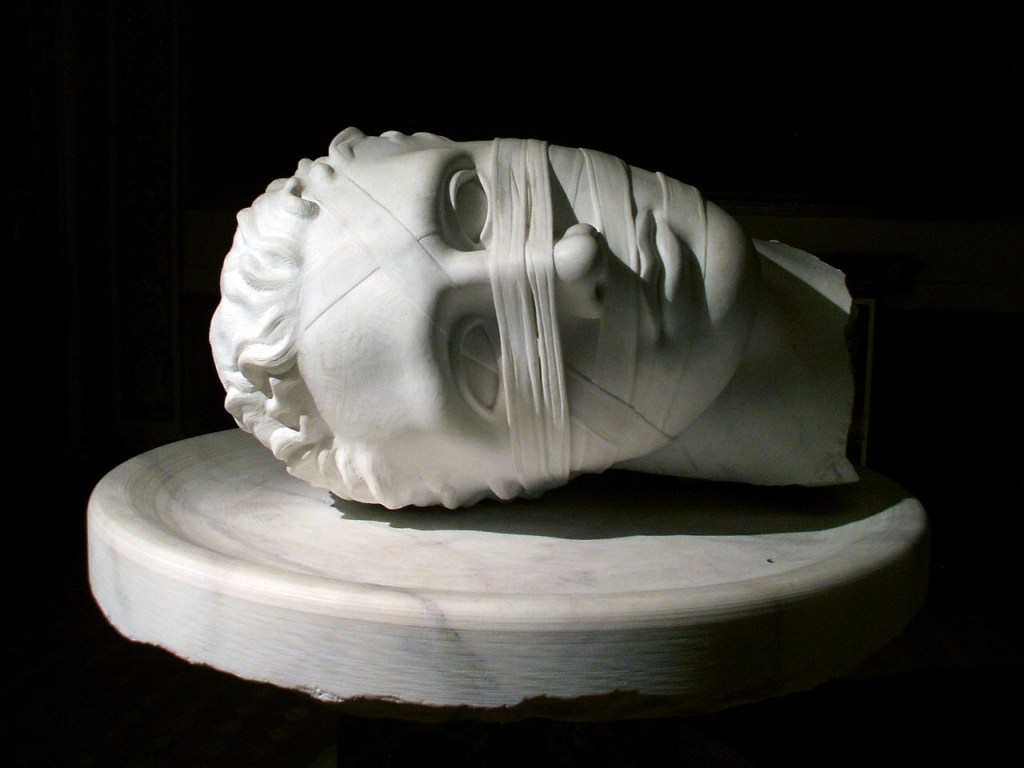
A child is born, and the world sets in upon it. Taking things from it, stuffing things into it. Each bite of food, each particle of light entering the eye – the body can never be pure.
Sit down. Inhale. Exhale. The gun will wait. The lake will wait. The tall gall in the small seductive vial will wait will wait: will wait a week: will wait through April. You do not have to die this certain day. Death will abide, will pamper your postponement. I assure you death will wait. Death has a lot of time. Death can attend to you tomorrow. Or next week. Death is just down the street; is most obliging neighbor; can meet you any moment.
You need not die today. Stay here—through pout or pain or peskyness. Stay here. See what the news is going to be tomorrow.
Graves grow no green that you can use. Remember, green’s your color. You are Spring.
I have a deep and abiding love for Gwendolyn Brooks and her poetry. So much of her work reads like prayer, and nowhere is this more evident than in the line You need not die today. Sometimes, I feel like life kicks us so squarely in the face that it would be easier to lie down and die. And it would be. Death is patient and eager to those who would embrace its precepts. But life…life has so much to offer us. And so we go back to Brooks: You need not die today. You need not die today. You need not die today. You need not die today. You need not die today. You need not die today. You need not die today.
Thanks as always for being a faithful reader of The Voracious Bibliophile. If you like what you see, please follow, like, comment, and subscribe to my email list to get notified of new posts as soon as they drop. You can also email me at thevoraciousbibliophile@yahoo.com or catch me on Twitter @voraciousbiblog. Keep reading the world, one page (or pixel) at a time.
When I chose Strayed for my name, I wasn’t looking at the word’s negative connotations. I was aware at that time in my life that I’d really lost my way, that I’d gone off the path. But the other definitions of that word ‘strayed’ are very powerful too, you know? A stray is somebody who makes, or has to make, his or her own way in the world. A stray is someone who lives without the essential mother and the essential father, which is how I lived. So I was embracing that word, that name, for all of its darkness and all of its light, and I hoped I would keep growing and living into the name, sort of embodying it in my life, you know…It’s like my heritage. I feel it is my real name.
You stand as rocks stand to which the sea reaches in transparent waves of longing; they are marred, finally; everything fixed is marred. And the sea triumphs, like all that is false, all that is fluent and womanly. From behind, a lens opens for your body. Why should you turn? It doesn’t matter who the witness is, for whom you are suffering, for whom you are standing still.
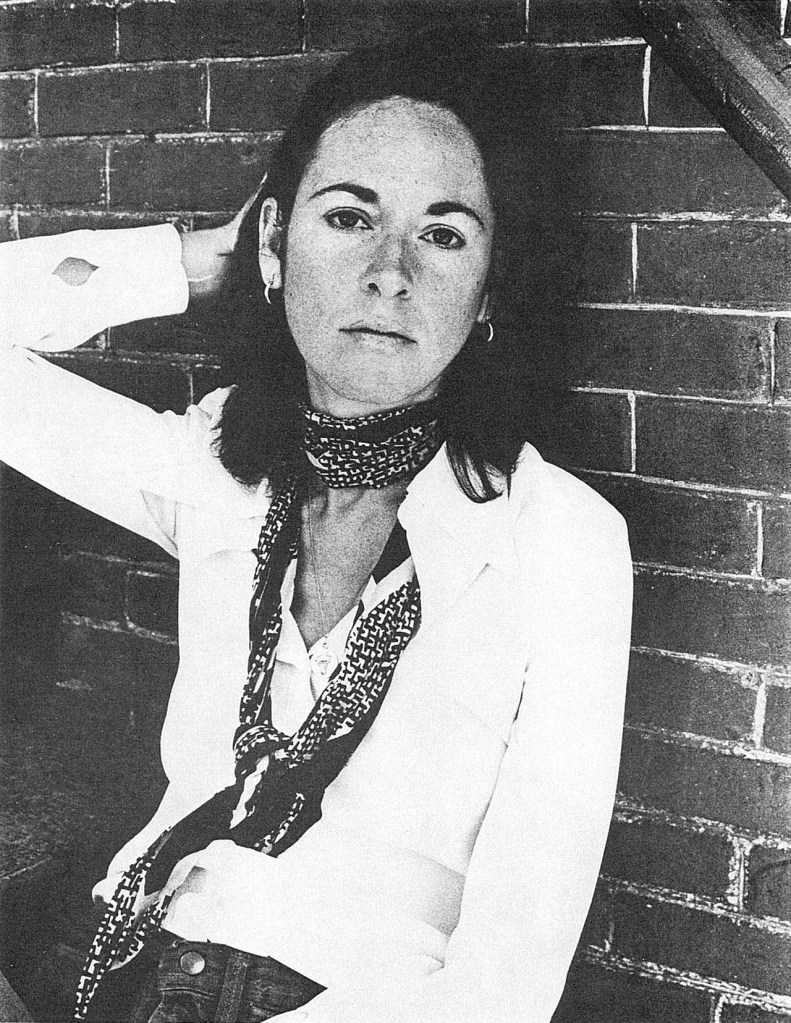
Louise Glück. Unknown Author. Public Domain.
Note: Louise Glück was the recipient of the 2020 Nobel Prize in Literature. Her collection of poetry, The Wild Iris (1993), won the Pulitzer Prize for Poetry.
Thanks as always for being a faithful reader of The Voracious Bibliophile. If you like what you see, please follow, like, comment, and subscribe to my email list to get notified of new posts as soon as they drop. You can also email me at thevoraciousbibliophile@yahoo.com or catch me on Twitter @voraciousbiblog. Keep reading the world, one page (or pixel) at a time.
Alexandra Billings, Actress and Trans Activist, via Instagram
My first encounter with the work of Alexandra Billings was through her role as Davina Rejennae on Amazon’s Transparent. Luminous is too dim a word to describe what she brings to her performances, because it is apparent that she is imbuing each character with the wisdom gleaned from her own lived experience as a trans woman of color.
Today’s quote is taken from a video post Billings made on Instagram a few years ago. Sadly, I didn’t bookmark the exact day but I did write down the quote for posterity because it was too good not to. What exactly, though, does it mean to stand in the center of your own grace? For me, it means that you accept everything that has brought you to the present moment, acknowledging that what you’ve been through has made you into the person you are. It also means that you absolve yourself of blame, and its fugly cousin shame, for what you’ve done to survive. It means that you are cognizant of the fact that you are here because of what you’ve been through, not despite what you’ve been through, and you do not owe the world an explanation or an apology for taking up space.
Thanks as always for being a faithful reader of The Voracious Bibliophile. If you like what you see, please follow, like, comment, and subscribe to my email list to get notified of new posts as soon as they drop. You can also email me at thevoraciousbibliophile@yahoo.com or catch me on Twitter @voraciousbiblog. Keep reading the world, one page (or pixel) at a time.
Lull me into oblivion. My attention span is limited. Infinity, space, time— your voice in my ear, bottom lip on my lobe— turning love into cherries into wine. Creamsicle daylight is wasting away while we wait for the song to finish playing. When you were mine life was always a game sweetly played, vollied to & fro like the king’s severed head; no throne. Fade to black. Next reel, please. Pleas to be real with me remain ignored. Love is not a cat chasing shadows on the floor. I feel you watching me caressing my own crooks in the dark. Elbows, not thieves, though everything of value has been stolen at one time or another. Dear lover, take this rambling lullaby & pitch it into the sea where memory goes to sleep in the steadfast arms of the deep.
Thanks as always for being a faithful reader of The Voracious Bibliophile. If you like what you see, please follow, like, comment, and subscribe to my email list to get notified of new posts as soon as they drop. You can also email me at thevoraciousbibliophile@yahoo.com or catch me on Twitter @voraciousbiblog. Keep reading the world, one page (or pixel) at a time.
We’ve waited four long years for another Lorde album. With Solar Power, Lorde has traded the bass and bombast that characterized both Pure Heroine and Melodrama for a more languorous sound, one that doesn’t care whether or not you like it as long as she vibes with it.
With Solar Power, Lorde had traded the bass and bombast that characterized both Pure Heroine and Melodrama for a more languorous sound, one that doesn’t care whether or not you like it as long as she vibes with it.
And vibe with it she does. The Atlantic’s Spencer Kornhaber calls Solar Power a “rock nostalgist’s dream,” and I can’t think of a more apt descriptor for Lorde’s junior record. Lorde co-produced the album with Jack Antonoff, who in addition to his work in fun. and Bleachers is also a frequent collaborator of Lana Del Rey and Taylor Swift. Some keyboard warriors on Twitter took to their phones first thing this morning to trash the album and Antonoff in particular, but in my opinion they’re way off-base.
For one thing, music doesn’t have to be radio-friendly to be worthy of praise. It may be a little early to call, but I wouldn’t be a bit surprised if Lorde takes home Album of the Year at the Grammy’s next year, which would be a glorious middle finger in the faces of her detractors.
It may be a little early to call, but I wouldn’t be a bit surprised if Lorde takes home Album of the Year at the Grammy’s next year, which would be a glorious middle finger in the faces of her detractors.
Lorde seems to have anticipated the criticism now coming her way, because in the title track she gives us this delicious double entendre: “Can you reach me? No, you can’t,” asserting both her self-prioritization and the fact that she doesn’t need to prove anything to her haters because she’s already beaten them.
All in all, Solar Power is a powerhouse of a record, if a subdued one. It’s not going to be everyone’s cup of tea, for sure, but then again I don’t think it’s meant to be. Lorde is just living her life and if you don’t like her, I don’t think she cares—she’ll just keep singing in the sand.
Thanks as always for being a faithful reader of The Voracious Bibliophile. If you like what you see, please follow, like, comment, and subscribe to my email list to get notified of new posts as soon as they drop. You can also email me at thevoraciousbibliophile@yahoo.com or catch me on Twitter @voraciousbiblog. Keep reading the world, one page (or pixel) at a time.