

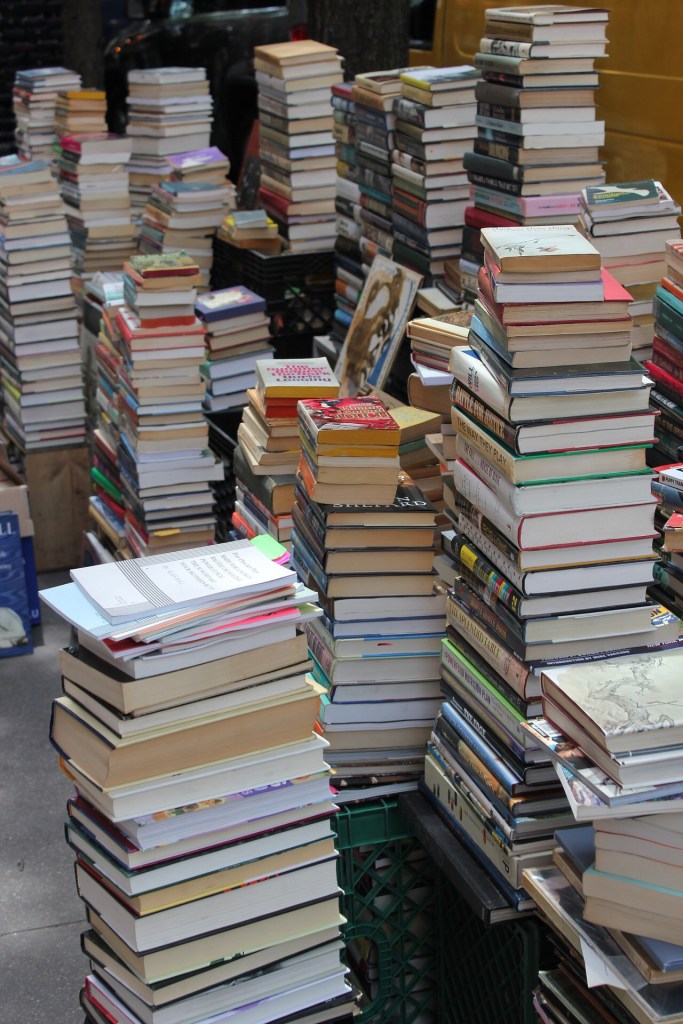
To be honest, my to-be-read “pile” is more of a mountain these days. When you’ve spent the better part of a decade working around books, not to mention an entire childhood collecting them, it’s easy to overwhelm yourself under the weight of all those tomes.
How many books do you currently own that you’ve not read yet? 10? 100? 1,000+? I would venture to say that I own more than a thousand books I’ve yet to read. Well over a thousand, actually, especially if I count the ebooks and digital audiobooks I own.
So where does one even begin to tackle so many unread books? This hurts for me to say, but like me, you’re going to have to get rid of some (or even a lot) of your books.
Anyone who’s ever worked in a library is familiar with the concept of weeding, which refers to the process by which librarians and other library workers identity materials in their collections that are either outdated, no longer relevant, or haven’t circulated in a while, and then “purge” these items from their shelves. Some of them end up in library-held book sales and some even get recycled and/or thrown away. And you know what? That’s okay.

By intentionally hanging on to every book you’ve ever bought or acquired, you’re denying yourself the pleasure of a well-curated, and conversely, well-loved collection. I can’t tell you how many times I’ve purchased a book only to discover I already owned it.
By intentionally hanging on to every book you’ve ever bought or acquired, you’re denying yourself the pleasure of a well-curated, and conversely, well-loved collection.
I’m giving you permission to set your shelves free. I’m giving you permission to only hold on to the books which you have read and already love or the books you fully intend on reading. But you have to be honest with yourself. Looking around at my own personal mountain of books, I know there’s no conceivable way I’d ever get around to all of them, even if I quit my day job, stopped caring for my hygiene, and subsisted exclusively on Glucerna shakes. It’s just not possible.
I’m giving you permission to set your shelves free.

The problem is we become too precious with our books. We fetishize them and they become their own dangerous pathology. At what point does collecting become hoarding? That’s a hard question to answer. I know that for me, that level has already been surpassed. I’m currently digging my way out.
Holding onto unneeded relics from your past is indicative of a refusal to grow, and that’s not healthy.
So the first step to tackling your TBR pile is to make the pile smaller. Have honest conversations with yourself. Over time, our priorities and interests shift, and that’s not a bad thing. Change is okay. Holding onto unneeded relics from your past is indicative of a refusal to grow, and that’s not healthy.
Once your pile is smaller, devote yourself to the one-in, one-out rule. This means that you do not allow yourself to bring another book into your living space without getting rid of one to make room for it. But….I….I paid so much….I remember being at the beach…..STOP. You’re rationalizing. You have to learn to let go. Your brain (and your budget) will thank you for it.
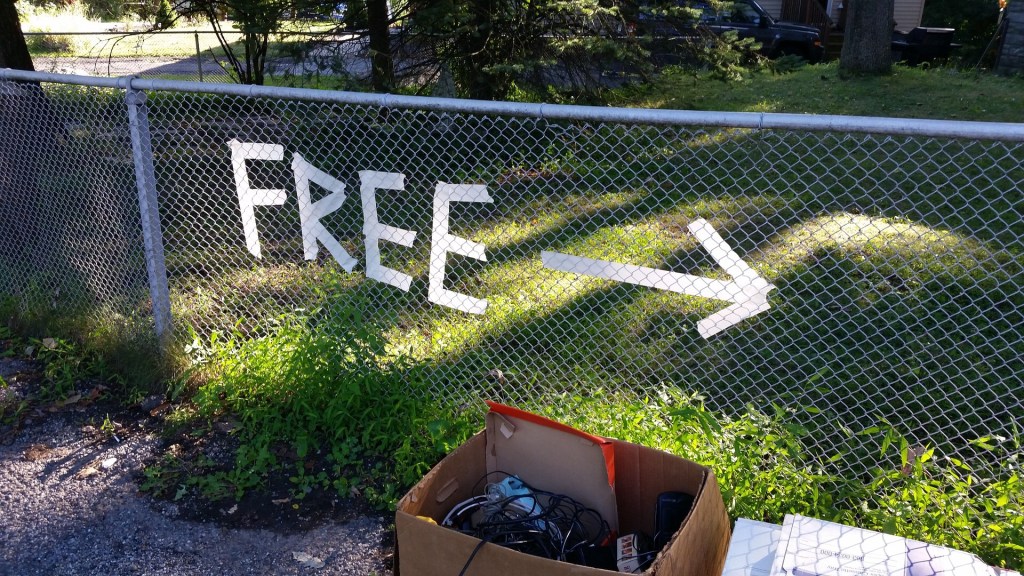
How Do I Cull It?
I’m going to be honest with you. Most of what I’ve learned about decluttering I’ve picked up from the A&E show Hoarders and its sister show, Hoarding: Buried Alive. I even recently read a book by one of the therapists on the show, Dr. Robin Zasio, called The Hoarder in You: How to Live a Happier, Healthier, Uncluttered Life. It’s a great book, and I especially recommend it to everyone out there who genuinely has a problem with hoarding, as it helped me to map out some of the cognitive distortions that cause me to hoard.
The Four Piles
As you start to cull, you’re going to want to have four piles: Keep, Sell, Donate, and Recycle/Throw Away.
Donating Your Unwanted 📚
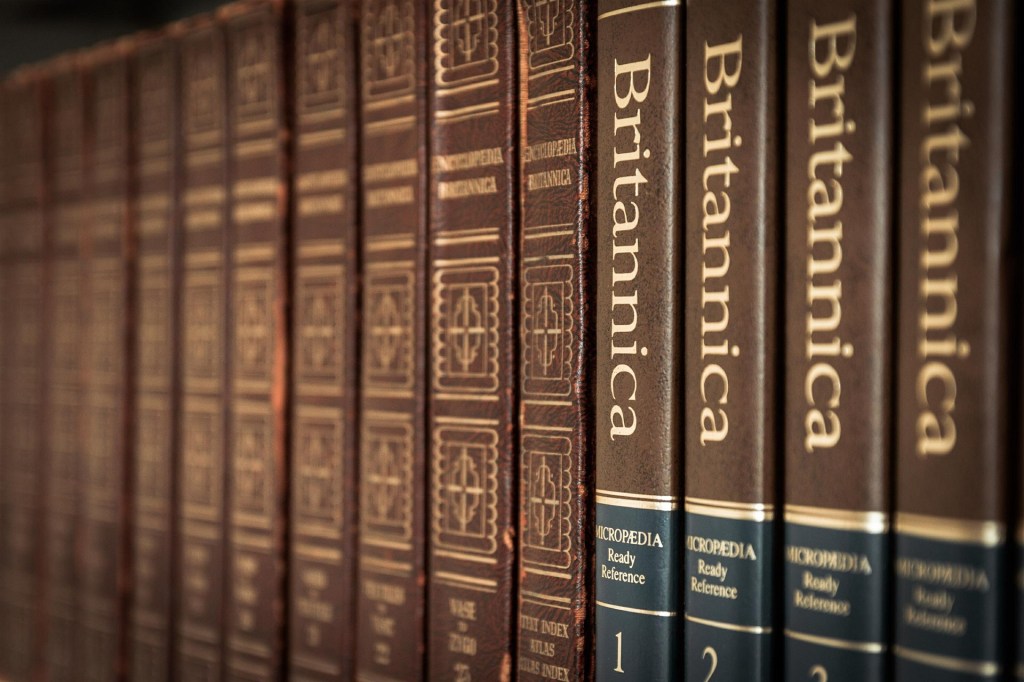
Here’s a hard truth for you: NO ONE WANTS YOUR OLD ENCYCLOPEDIAS. Full stop. No one. Especially not the library. I don’t care how “pristine” they are. It probably is a “beautiful set”. But the fact stands: they need to be recycled.
Here’s a hard truth for you: NO ONE WANTS YOUR OLD ENCYCLOPEDIAS. Full stop.
The same is true for old newspapers and magazines. Recycle them. Ratty old paperbacks? Recycle them. Reference books with outdated information? Recycle them. Do not burden a library with your useless 💩. You can thank me later. The librarians can thank me now.
Do not burden a library with your useless 💩. You can thank me later. The librarians can thank me now.
If you’re in the same boat as I am and have hundreds or even thousands of books in your possession, you want to get rid of as many as possible. Now, I’m not recommending you set fire to your collection that you’ve spent years and even decades building, but you’re not loving it by letting it grow. The best gardeners prune on the regular.
The best gardeners prune on the regular.
Your donate pile should only be things another human could possibly use. Recent bestsellers that are in good shape but you’ll never read again? Donate. Children’s books that are newer and undamaged? Donate. You get the picture.
Now, I’m going to be real with you some more: unless you’re buying books straight off the shelf and carting them immediately to your local library, they don’t freaking want your used books. They’re not going in the collection. They might not even make it to the Friends of the Library book sale. You are creating labor for someone who is already overworked, underpaid, and under-appreciated. See below for ways to *actually* support your local library.
Some good places to donate your old books are books-to-prisoners programs, senior centers, or even local community-based book swap programs.
How to *Actually* Support Your Library In Ways That Don’t Involve Inundating Them With Your Useless 💩
- Sign up for a library card for yourself and have other members of your family and circle of friends do the same.
- Check out materials regularly. You don’t even have to physically go into the library to check out materials. Nearly all public libraries now have robust digital collections of ebooks, audiobooks, and videos that you can check out from any Internet-enabled device. Circulation statistics help libraries to prove their value and keep their budgets from shrinking.
- Become an advocate for your local library. Support politicians that support libraries, and support policies that increase library budgets.
- Attend library programs (in-person or virtual). Do you have littles in your life? Take them to Story Time. Does your local library host a book club or craft circle that piques your interest? Join it. Program attendance is also a metric used by libraries to help prove their worth to local and state governments.
Selling Your 📚 for 💵
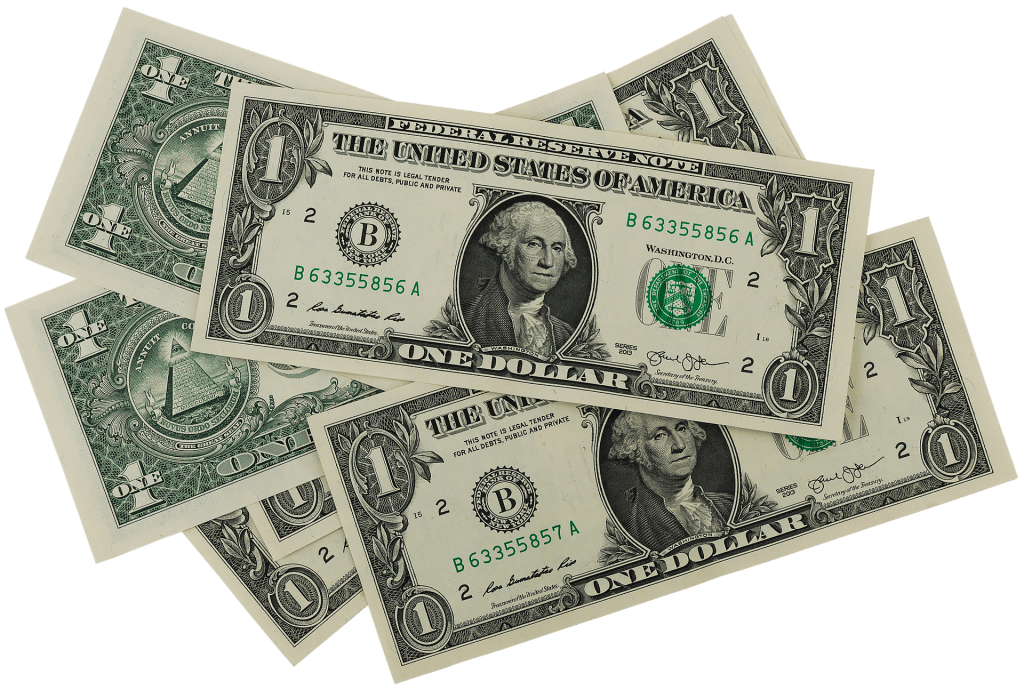
Do you have a local used and new bookstore that buys books from customers in exchange for cash or store credit? If so, this is the ideal location to sell your unwanted books. Sure, you may be able to get rid of a few copies here and there at yard sales or garage sales, but take it from someone who knows: it’s hard to even give books away at a yard sale!
Resist the temptation to add to your collection by opting for cash instead. You can use it to build a nest egg for something that could really benefit you and your family, or even just to have some extra security.
So, What Can I Keep?

At this point, you may be thinking I’m an insufferable nag. And you know what? That’s okay. My ego can take the hit. I just want you to have a collection of books that brings you the maximum amount of joy.
I just want you to have a collection of books that brings you the maximum amount of joy.
Is there a book you can’t imagine not owning? Keep it. A book you’ve read several times and love it more each time? Keep it. Signed copies? Keep them. Special editions? Keep them (or sell them!). Do you get the picture?
My point in this post is to help you learn from my lived experience. And what I’ve learned above all is this: Curation is an act of self-care. It’s not going to be an easy journey. We get attached to our books in a way that we don’t get attached to other prized possessions. But I know I can do it. I know you can do it. I know we can do it.
Curation is an act of self-care.
Thanks as always for being a faithful reader of The Voracious Bibliophile. If you like what you see, please follow, like, comment, and subscribe to my email list to get notified of new posts as soon as they drop. You can also email me at thevoraciousbibliophile@yahoo.com or catch me on Twitter @voraciousbiblog. Keep reading the world, one page (or pixel) at a time.


