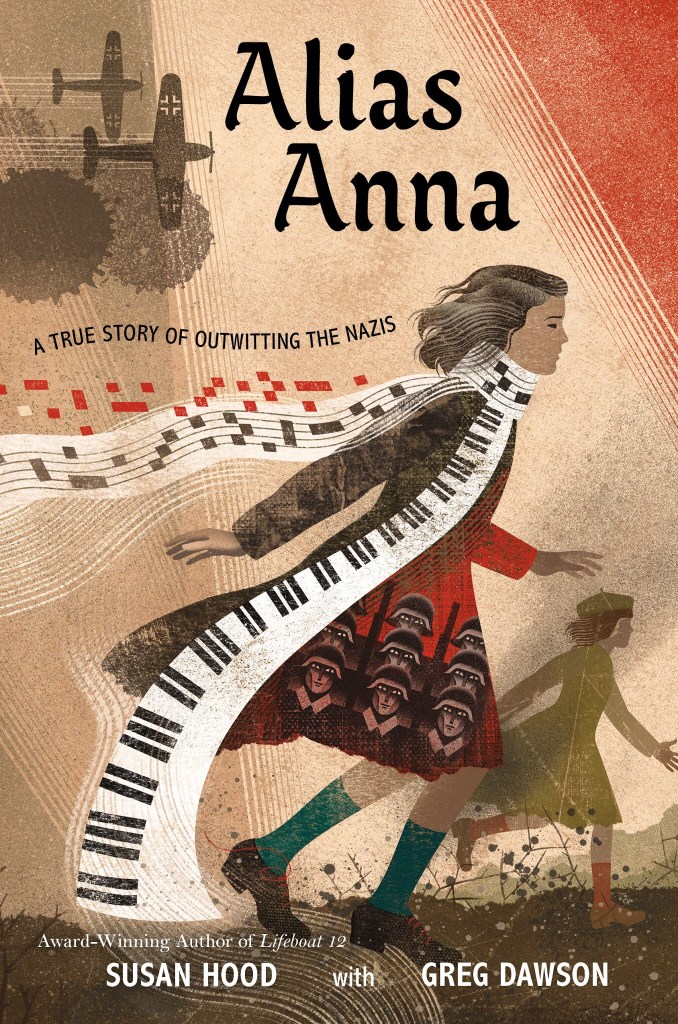
All Aboard the ARC: Alias Anna: A True Story of Outwitting the Nazis by Susan Hood with Greg Dawson

Alias Anna: A True Story of Outwitting the Nazis by Susan Hood with Greg Dawson

***Note: I received a free digital review copy of this book from NetGalley in exchange for an honest review.***

Expected Publication Date: March 22nd, 2022

Publisher: HarperCollins

The Holocaust (also known as the Shoah) was the attempted genocide of the entire Jewish population in Europe carried out by German dictator Adolf Hitler and his collaborators between 1941 and 1945. Crafted as the Final Solution to the Jewish Question, Hitler’s ultimate goal was the extermination of an entire people from the face of the earth, a horrific crime in aggregate.

While the crimes of the Nazis are unparalleled in the history of humanity, forgetting the stories of the people who were murdered and the people who survived is also a crime of incalculable magnitude. It is our duty to call out injustice wherever we see it, to speak truth to power, and to hold in memory the crimes of the past so that we can be the architects of a more just and equitable future.

It is our duty to call out injustice wherever we see it, to speak truth to power, and to hold in memory the crimes of the past so that we can be the architects of a more just and equitable future.

This duty is not one that can be transferred or reassigned. We remember not only as an act of preservation but as one of defiance. Zhanna’s story is one of millions.

We remember not only as an act of preservation but as one of defiance.

Alias Anna: A True Story of Outwitting the Nazis tells the story of Zhanna Arshanskaya and her sister Frina, who survived the Holocaust by quite literally hiding in plain sight, creating new non-Jewish identities for themselves and using their musical abilities to perform for high-ranking Nazi officers, providing entertainment to the very people responsible for the murder of their entire family because they had no other choice. It was play or die. And too much had been sacrificed for the sisters to die.

When most people think of the Holocaust, they conjure up images of concentration camps, of gas chambers and emaciated bodies stacked carelessly in mass graves. There were indeed many concentration camps operated by the Nazis, but they were indifferent to the methods used as long as the job—annihilating the Jewish people from the face of the earth—was done.

For the majority of the Soviet Jews, the Nazis’ primary method of execution was the firing squad, whereby they would march them to pits and ravines and unleash volleys of bullets. They also used fire and carbon monoxide when bullets were deemed insufficient. In December 1941, the Nazis rounded up the majority of the Jews from Kharkov and made them march to an abandoned tractor factory outside the city. After a few weeks of extreme deprivation, given little to no food and having scant protection against the elements, the Jews of Kharkov (including Zhanna, her sister Frina, her parents, and her grandparents) were marched to the ravine at Drobitsky Yar, facing certain execution.

I don’t care what you do. Just live.

Dmitri Arshansky

Before the ill-fated march to Drobitsky Yar, Zhanna and Frina lived what could be called charmed lives with their family in Kharkov. They were musical prodigies of the highest caliber, becoming the youngest students (ages eight and six at the time) ever accepted into and given scholarships to the famed Kharkov Conservatory of Music. It was there that Zhanna was first introduced to her favorite piece of music, her choice composition—Chopin’s Fantaisie-Impromptu. The sheet music for this composition would become Zhanna’s only material possession and thus the only physical reminder of her former life, though she could not have foreseen this.

Dmitri Arshansky was no fool. He knew with absolute certainty that the Nazis were marching them toward their deaths, and he also believed that young Zhanna was the only one who might have a chance of escaping.

Knowing this, his last gift and last act of fatherly love was to give one of their guards his golden pocket watch that he’d managed to hide during the long march in exchange for the man turning a blind eye when his daughter jumped out of line and made her escape. His final admonition to her was this: I don’t care what you do. Just live. The greatest expression of love has to be giving the last thing you have to the person you love the most; if a greater love exists, I am unaware of it.

The greatest expression of love has to be giving the last thing you have to the person you love the most; if a greater love exists, I am unaware of it.

It was Fantaisie-Impromptu that she clutched against her chest as she jumped out of line and blended into a crowd of onlookers. Knowing it was to be the last time she would see her family, she wept and wept. Not knowing where else to go, Zhanna made her way back to Kharkov. Once there, she first sought shelter with her friend and classmate Svetlana Gaponovitch and her family. She thought that since the father of the family was Jewish, despite the fact that he longer lived in the household, she would be shown mercy by people who understood her situation. Instead, she had the door slammed in her face.

Unsure of where to go next and desperately tired, hungry, and cold, she knocked on the door of another classmate, Lida Slipko. Rumor had it that Lida’s mother was an anti-Semite, but young Zhanna was out of options and at the end of her rope. To her great surprise, they (Lida and her mother) hastened her in and shut the door behind her, showing her more compassion and common humanity than she had received at the hands of the Gaponovitch family.

Her brief respite was not to last, however. Zhanna knew that to stay too long in one place would endanger not only herself but the people who sheltered her, and so Lida suggested she go to the home of Nicolai Bogancha, an acquaintance and crush of hers who lived in the same neighborhood as Zhanna did growing up.

The Bogancha family was a saving grace for Zhanna. There in their home she felt safe, cared for, and hopeful for the future. It was also during her time staying with the Bogancha family that she learned something truly miraculous—her sister Frina was still alive. After learning this, one night Nicolai’s father snuck out and retrieved Frina, bringing her to Zhanna, back to the last link she had left in the world. Words are insufficient to describe the absolute elation Zhanna experienced when she learned that her sister had managed to escape. To this day, historians have no idea how Frina managed to escape the death march to Drobitsky Yar. Frina herself never revealed how, not even to Zhanna. Some things are just too painful to share, even with the people we love most.

To this day, historians have no idea how Frina managed to escape the death march to Drobitsky Yar. Frina herself never revealed how, not even to Zhanna. Some things are just too painful to share, even with the people we love most.

Together, the sisters were far too recognizable. After all, they had been performing in public for quite some time, given their enormous talent at such young ages. They knew they had to leave Kharkov, their home, and forge a new path somewhere else, somewhere the Nazis couldn’t reach them. Nicolai’s parents helped the sisters to craft new identities, giving them aliases and a backstory to protect them moving forward. They thus became Anna and Marina Morozova, orphans who had lost both parents—their mother during the German bombing of Kharkov and their father in battle while acting as an officer in Stalin’s Red Army.

As non-Jewish Russian orphans, if they could secure admission into an orphanage they could have identification papers drawn up, legally ratifying their new names and stories and giving them a modicum of protection against Nazi inquiry.

They managed to do just this, and by some act of divine providence or merciful coincidence, the orphanage they ended up at had a decrepit piano. It wasn’t much, this battered and careworn old instrument, but the talented sisters coaxed it to life and made it sing, bringing life and joy to all who heard their beautiful music. German soldiers passing by heard the lovely notes emanating from the run-down orphanage, and the director of the orphanage was so elated at this attention that he hired a piano tuner to make the instrument worthy of its practitioners.

The piano tuner’s name was Misha Alexandrovich, a kindly and intelligent man who took to Zhanna right away. He pleaded with her to come and play for the directors of the music school at Kremenchug. She was highly resistant to this suggestion, naturally not wanting to draw that much attention to herself and her sister. However, in the end she realized it would draw even more attention to refuse such a beneficent offer, and thus agreed to go.

Zhanna and Frina (Anna and Marina) accompanied Misha to Kremenchug, and the director of the school was so taken with them that they were given a studio to live and practice in. The sisters couldn’t believe their good fortune.

There was a catch to the director’s generosity, however. She needed the girls to play piano for the singers and dancers who were required to perform for the Germans at the theater next door to the school. When the theater director heard Zhanna play, he hired the sisters on the spot. And so that is how the Arshanskaya sisters came to play for the very Nazi officers who had upended their lives forever. They had taken away their home, their family, their state, and their very names, but they could not break their spirits. In the end, Zhanna and Frina would reign triumphant while the Nazi regime crumbled.

They had taken away their home, their family, their state, and their very names, but they could not break their spirits. In the end, Zhanna and Frina would reign triumphant while the Nazi regime crumbled.

Alias Anna is a beautiful story of courage, resilience, and the triumph of the human spirit. It is a testament to the Arshanskaya sisters who survived despite all odds and the Jewish people who showed the Nazis and the world that you can destroy the body but you cannot destroy the soul, not with any force or weapon known to man. I want every person living to read this book.

*Conflicting birthdates are given for Zhanna. Alias Anna gives her birthdate as April 1st, 1927 while the oral history recorded with Zhanna by The Breman Museum gives her birthdate as February 1st, 1927. In deference to Greg Dawson, I have kept the date listed in Alias Anna.

More on the Arshanskaya Sisters and the Ukrainian Jewish Population During WWII

Playing to live: Pianist survived Holocaust by performing for Nazis (CNN) by Moni Basu

The WWII Massacres at Drobitsky Yar Were the Result of Years of Scapegoating Jews (Smithsonian Magazine) by Lorraine Boissoneault

Zhanna Arashanskaya Dawson (oral history),
Esther and Herbert Taylor Oral History Collection (The Breman Museum)

Defying Destiny—A Miraculous Tale of Survival (The Juilliard Journal) by Greg Dawson

Thanks as always for being a faithful reader of The Voracious Bibliophile. If you like what you see, please follow, like, comment, and subscribe to my email list to get notified of new posts as soon as they drop. You can also email me at thevoraciousbibliophile@yahoo.com or catch me on Twitter @voraciousbiblog. Keep reading the world, one page (or pixel) at a time.
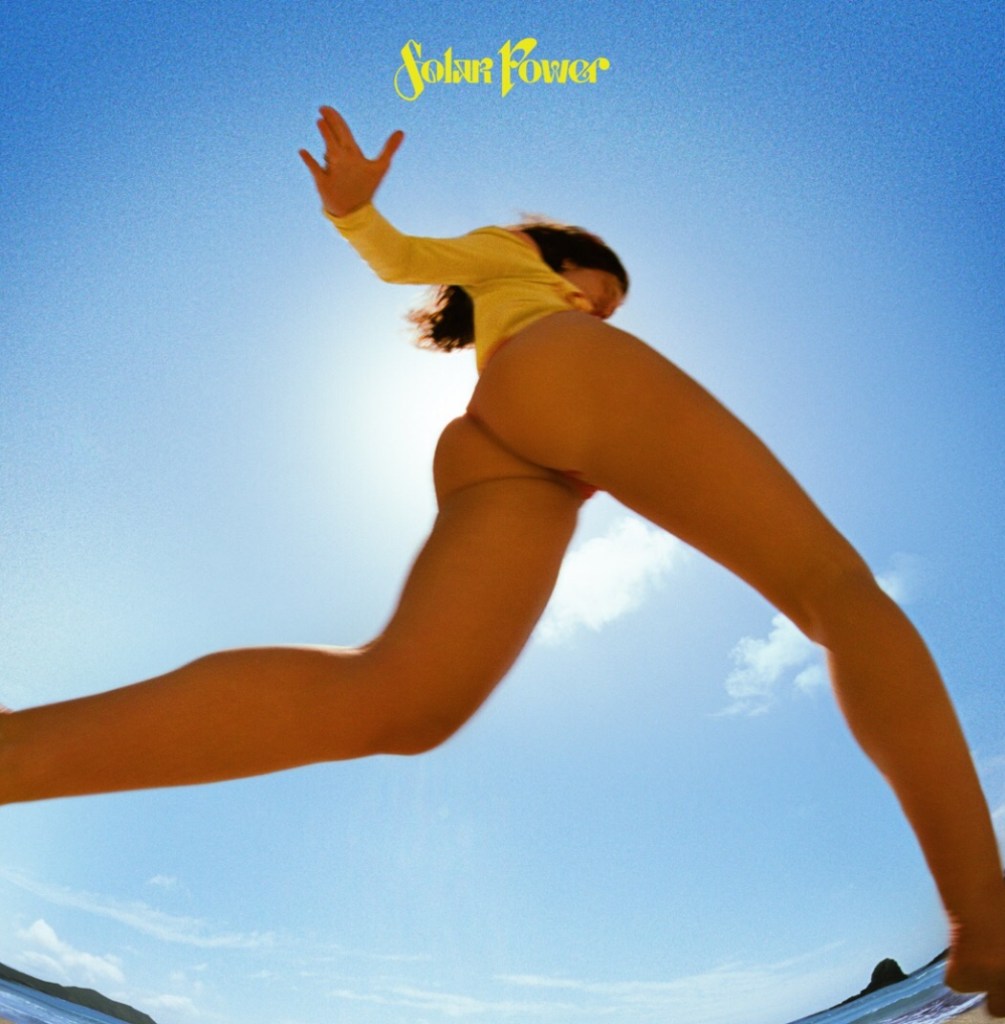
Album Review: Solar Power by Lorde

Solar Power by Lorde

We’ve waited four long years for another Lorde album. With Solar Power, Lorde has traded the bass and bombast that characterized both Pure Heroine and Melodrama for a more languorous sound, one that doesn’t care whether or not you like it as long as she vibes with it.

With Solar Power, Lorde had traded the bass and bombast that characterized both Pure Heroine and Melodrama for a more languorous sound, one that doesn’t care whether or not you like it as long as she vibes with it.

And vibe with it she does. The Atlantic’s Spencer Kornhaber calls Solar Power a “rock nostalgist’s dream,” and I can’t think of a more apt descriptor for Lorde’s junior record. Lorde co-produced the album with Jack Antonoff, who in addition to his work in fun. and Bleachers is also a frequent collaborator of Lana Del Rey and Taylor Swift. Some keyboard warriors on Twitter took to their phones first thing this morning to trash the album and Antonoff in particular, but in my opinion they’re way off-base.

For one thing, music doesn’t have to be radio-friendly to be worthy of praise. It may be a little early to call, but I wouldn’t be a bit surprised if Lorde takes home Album of the Year at the Grammy’s next year, which would be a glorious middle finger in the faces of her detractors.

It may be a little early to call, but I wouldn’t be a bit surprised if Lorde takes home Album of the Year at the Grammy’s next year, which would be a glorious middle finger in the faces of her detractors.

Lorde seems to have anticipated the criticism now coming her way, because in the title track she gives us this delicious double entendre: “Can you reach me? No, you can’t,” asserting both her self-prioritization and the fact that she doesn’t need to prove anything to her haters because she’s already beaten them.

All in all, Solar Power is a powerhouse of a record, if a subdued one. It’s not going to be everyone’s cup of tea, for sure, but then again I don’t think it’s meant to be. Lorde is just living her life and if you don’t like her, I don’t think she cares—she’ll just keep singing in the sand.

Thanks as always for being a faithful reader of The Voracious Bibliophile. If you like what you see, please follow, like, comment, and subscribe to my email list to get notified of new posts as soon as they drop. You can also email me at thevoraciousbibliophile@yahoo.com or catch me on Twitter @voraciousbiblog. Keep reading the world, one page (or pixel) at a time.

Album Review: Happier Than Ever by Billie Eilish

How does Billie Eilish respond to criticism of her newest full-length offering, Happier Than Ever? With a dismissive eye roll and a snappy comeback.

Apparently, many “fans” of Eilish are not enamored with her sophomore effort, ostensibly because of its lack of radio-friendly tracks. This doesn’t seem to bother Eilish, however, who’s too busy counting her stacks and referencing her rack at the same time to be bothered by petty inanities.

This doesn’t seem to bother Eilish, however, who’s too busy counting her stacks and referencing her rack at the same time to bothered by petty inanities.

Clapping back at a slate of recent TikTok videos made by so-called fans, Eilish posted a video with “NDA” playing in the background while her eyes are rolling up at the text is it just me or is billie in her flop era like why does she suck now. Her c(l)aption: literally all i see on this app…eat my dust my tits are bigger than yours.

…eat my dust my tits are bigger than yours

Billie Eilish

This is the very reason the world (and yours truly) loves Billie: she doesn’t play by anyone’s rules except her own. The same woman who drew criticism for wearing excessively baggy clothing on the red carpet is the same woman who drew criticism for posing seductively on the June 2021 cover of British Vogue wearing a corset and sporting new blonde locks.

Happier Than Ever embraces these complexities while at the same time rejecting all classification whatsoever. What matters more than anything is what Billie wants to say in the moment, and she has a lot to say on this record—about fame, mental health, sex, and the (im)balances of power inherent in all relationships (toxic and otherwise).

What matters more than anything is what Billie wants to say in the moment, and she has a lot to say on this record—about fame, mental health, sex, and the (im)balances of power inherent in all relationships (toxic and otherwise).

Haters are never happy with how women own their power and inhabit their sexuality, always attempting to reify a made-up circumscription placing them within a false dichotomy of prude or slut, Madonna or whore. How much cleavage is too much? How little is too little? Is she pure or just a tease? It’s all nonsense rooted in the detractors’ own unavoidable mediocrity: eat my dust my tits are bigger than yours.

Rating: ⭐️⭐️⭐️⭐️ (4/4)

Favorite Tracks: “I Didn’t Change My Number”, “Oxytocin” “OverHeated”, “Your Power”, and “Happier Than Ever”.

Thanks as always for being a faithful reader of The Voracious Bibliophile. If you like what you see, please follow, like, comment, and subscribe to my email list to get notified of new posts as soon as they drop. You can also email me at thevoraciousbibliophile@yahoo.com or catch me on Twitter @voraciousbiblog. Keep reading the world, one page (or pixel) at a time.

Album Review: I Call It Human – EP by Emily Weisband

I Call It Being Human – EP by Emily Weisband

Ain’t it just like you

Putting new salt in an old wound?

New Salt by Emily Weisband

Some artists just have a knack for what sounds good. Emily Weisband, who until just recently escaped my radar, never planned on becoming a performing artist. The Grammy-winning songwriter originally relocated to Nashville, Tennessee to score a publishing deal and did just that. She’s penned songs for the artists as diverse as BTS, Halsey, Camila Cabello, Lauren Alaina, Jeremy Camp, and Hillary Scott and The Scott Family. It was for her work on the song “Thy Will” with Hillary Scott and The Scott Family that garnered her a Grammy for Best Contemporary Christian Music Performance/Song at the 59th Annual Grammy Awards.

Now she’s started recording her own music. The result is something fresh and unique yet wholly resonant and recognizable at the same time. I Call It Being Human deals with all of the messy emotions that are the hallmark of great art and great pop music specifically. Weisband doesn’t really break new ground here, but instead shows that you don’t have to reinvent the wheel to get from point A to point B.

I’ve already added the rest of her catalog to my Apple Music queue if that tells you anything.

Thanks as always for being a faithful reader of The Voracious Bibliophile. If you like what you see, please follow, like, comment, and subscribe to my email list to get notified of new posts as soon as they drop. You can also email me at thevoraciousbibliophile@yahoo.com or catch me on Twitter @voraciousbiblog. Keep reading the world, one page (or pixel) at a time.
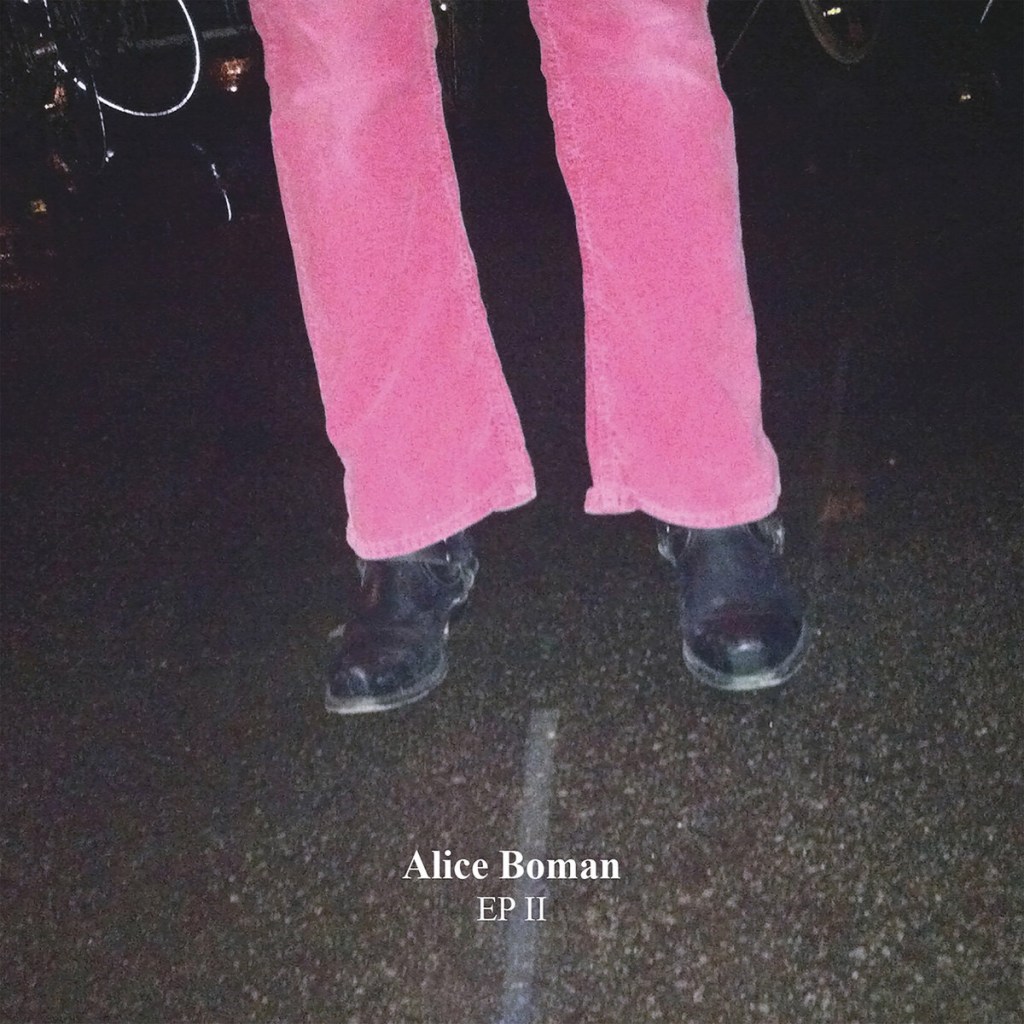
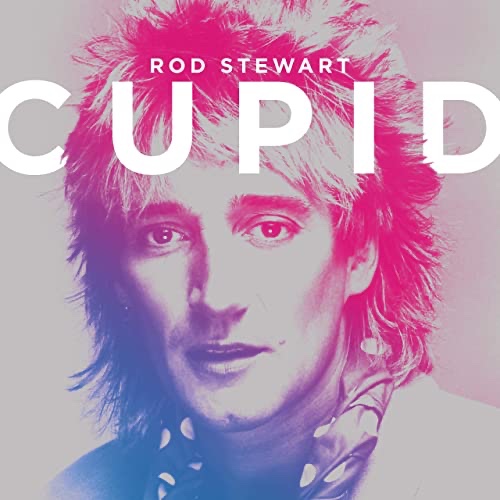
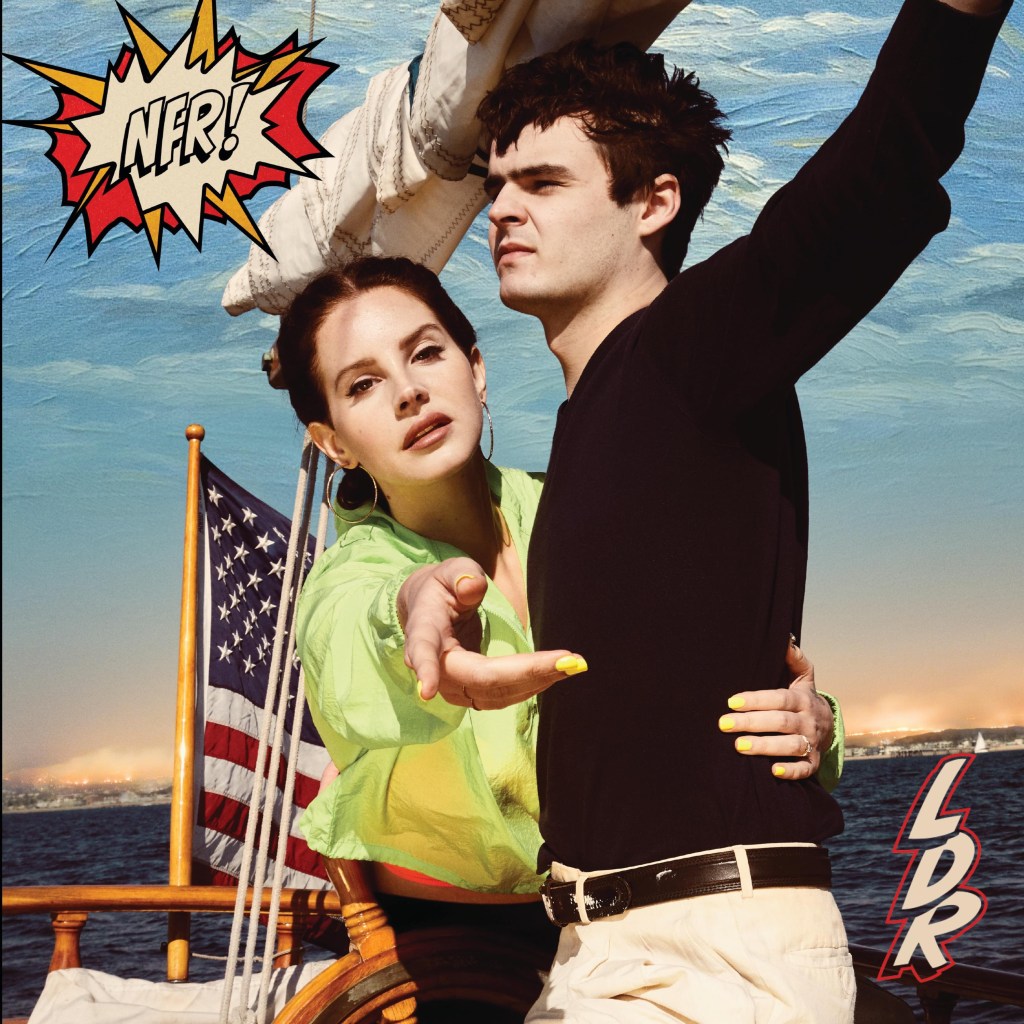
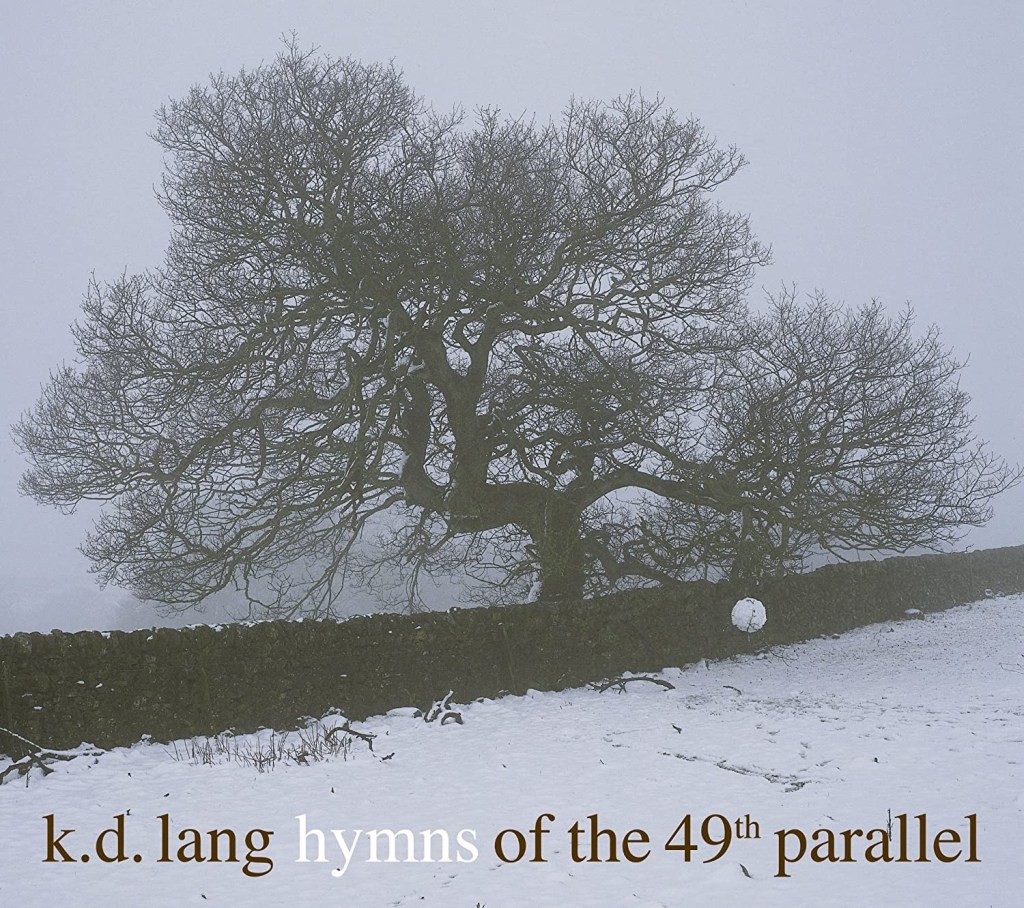
On Repeat, Midsummer: A Playlist

Initially, it was my intention to create a playlist to share with readers of this blog via Apple Music. Either I’m not tech-savvy enough to figure out how to do this or it’s not possible. My vanity leads me to believe the latter. I really like the playlist though, so I’m going to share it the old-fashioned way: I’m sending each and every one of you a scrap of parchment arriving via carrier pigeon. Ha! Just kidding. Enjoy!

#1: the lakes (original version) by Taylor Swift

#2: Waiting by Alice Boman

#3: Bleecker Street by Simon & Garfunkel

#4: Faith of the Heart by Rod Stewart

#5: Venice Bitch by Lana Del Rey

#6: Hallelujah by k.d. lang

#7: Should Have Known Better by Sufjan Stevens

#8: Hometown Glory by Adele

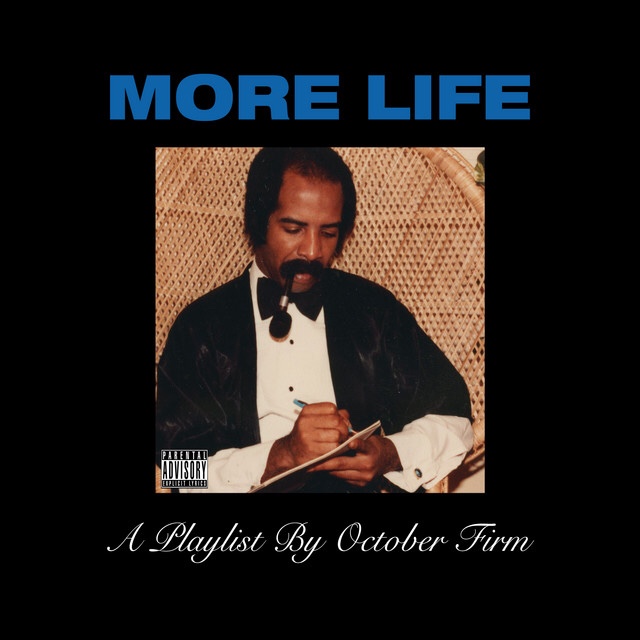
#9: Passionfruit by Drake

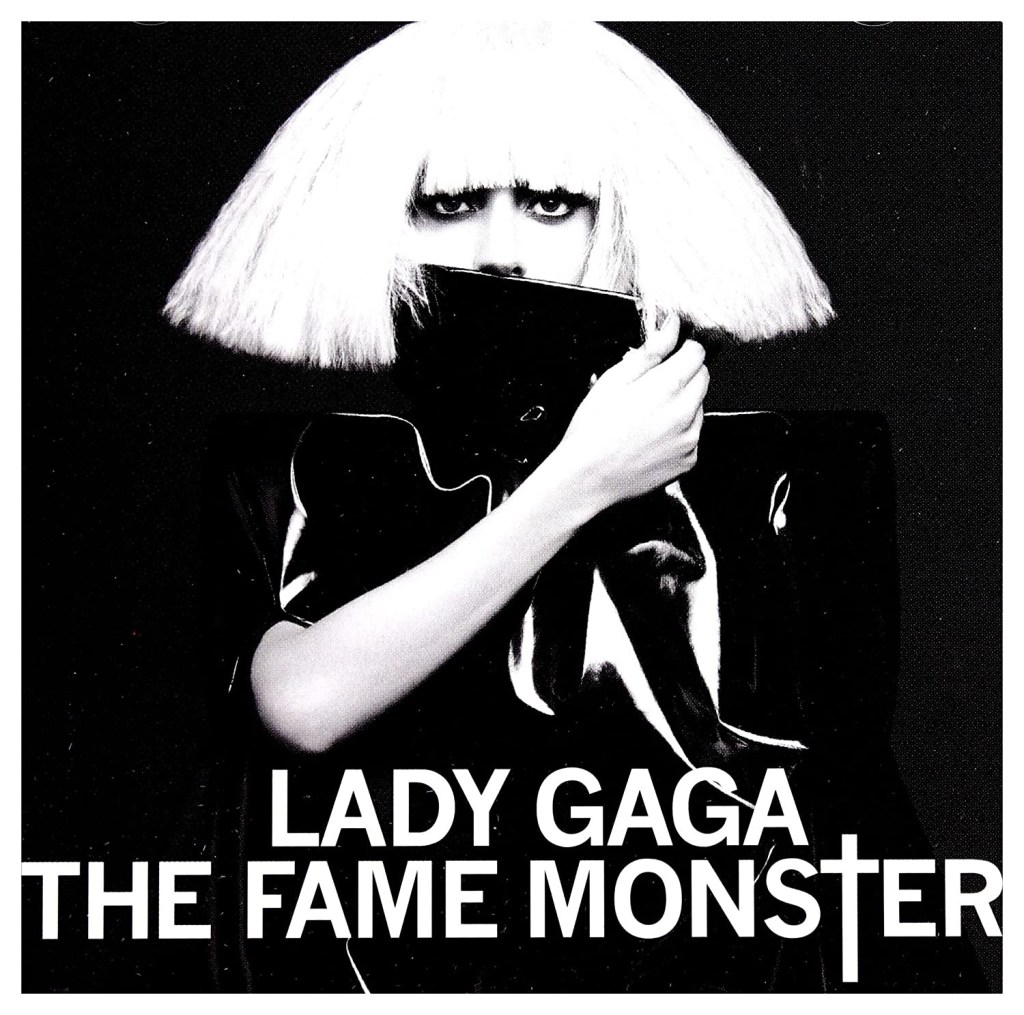
#10: Speechless by Lady Gaga

#11: Twinkle Song by Miley Cyrus

#12: Gooey by Glass Animals

#13: A Change of Heart by The 1975

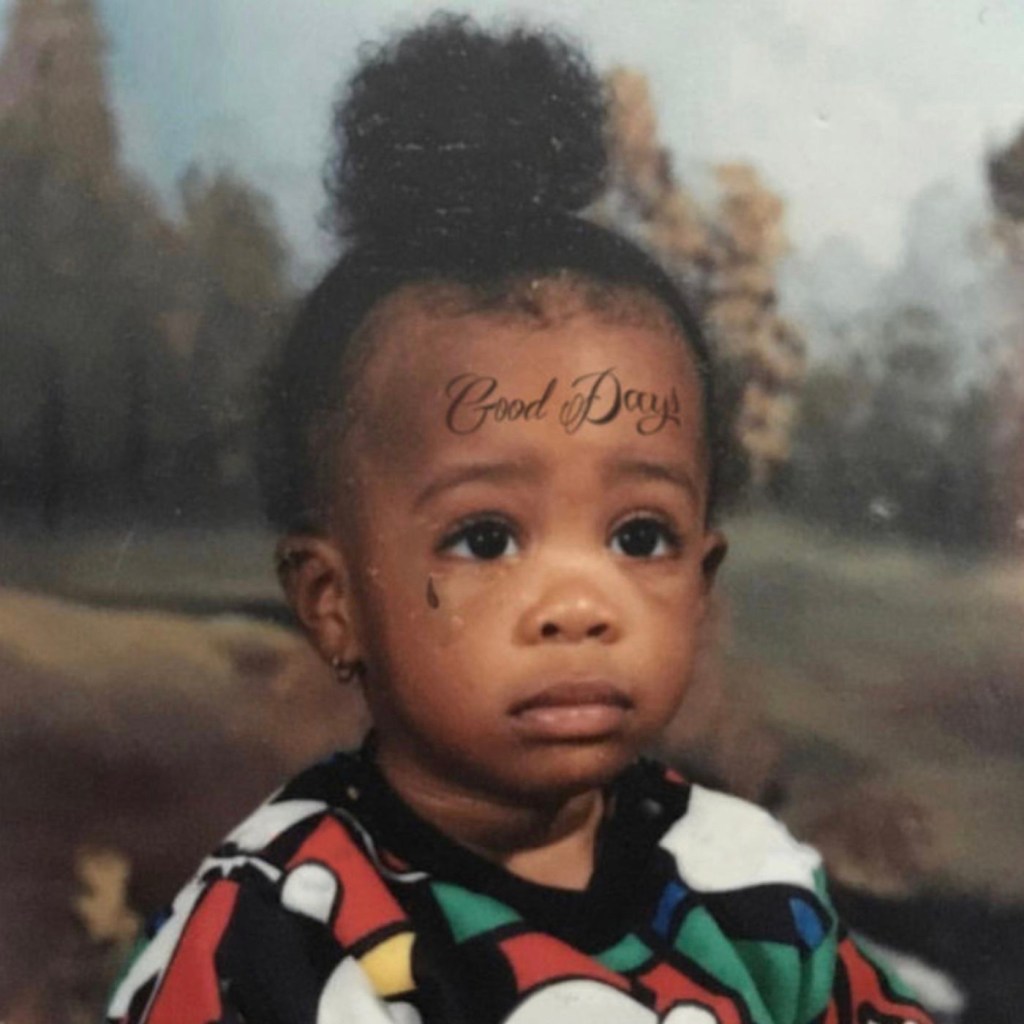
#14: Good Days by SZA

#15: Face Like Thunder by The Japanese House

#16: Still Learning by Halsey

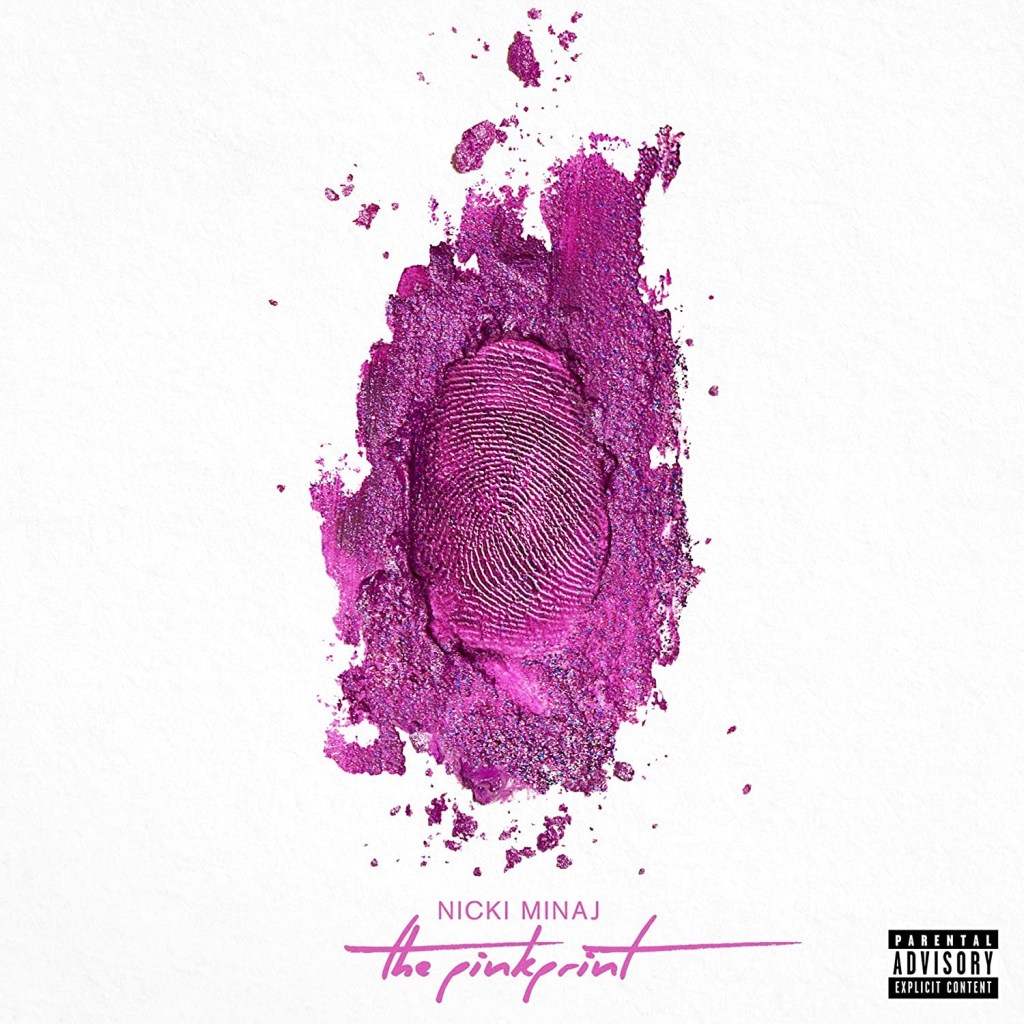
#17: Grand Piano by Nicki Minaj

#18: Chandelier (Piano Version) by Sia

#19: The Riddle by Five for Fighting

Thanks as always for being a faithful reader of The Voracious Bibliophile. If you like what you see, please follow, like, comment, and subscribe to my email list to get notified of new posts as soon as they drop. You can also email me at thevoraciousbibliophile@yahoo.com or catch me on Twitter @voraciousbiblog. Keep reading the world, one page (or pixel) at a time.

All Hail Halsey: New Baby, New Beats

Ashley Frangipane, otherwise known as global superstar Halsey, has been quite busy lately. They dropped their third full-length LP Manic in January of last year. 2020 also brought us collaborations between Halsey and Kelsea Ballerini (the other girl), Juice WRLD (Life’s a Mess; R.I.P.), and Marshmello (Be Kind).

As if this wasn’t already a bountiful Halsey harvest, she also released her first collection of poetry, I Would Leave Me If I Could, in November.

Now, Halsey has welcomed their first child with boyfriend Alev Aydin, named Ender Ridley Aydin. Emergent motherhood must bolster creativity in some way, because shortly after giving birth, Halsey also surprised us with news of the release date for their new album, due out on August 27th, titled If I Can’t Have Love, I Want Power. Just from the title alone, we can probably anticipate fare we’ve come to expect (and adore) from Halsey: angst tinged with tenderness, stories of survival, and declarations of love steeped in her own mythos.

Just from the title alone, we can probably anticipate fare we’ve come to expect (and adore) from Halsey: angst tinged with tenderness, stories of survival, and declarations of love steeped in her own mythos.

How are we supposed to handle all of this? I know 2020 gave a lot of us more time to create, but I don’t know if I can emotionally process new bodies of work by Billie Eilish, Lana Del Rey, Lorde, and now Halsey all in one year. This isn’t even mentioning Red (Taylor’s Version) due out in the fall, which is sure to make mincemeat of our hearts. If only I could get someone to fall in love with me and break my heart before then, so I could really appreciate the album the way it was meant to be appreciated.

I guess I’ll have to find a way to cope. It looks like Adele and Rihanna are hell-bent on making us wait for new material, and at this point I can only say thank God, because that would really be too much.

Thanks as always for being a faithful reader of The Voracious Bibliophile. If you like what you see, please follow, like, comment, and subscribe to my email list to get notified of new posts as soon as they drop. You can also email me at thevoraciousbibliophile@yahoo.com or catch me on Twitter @voraciousbiblog. Keep reading the world, one page (or pixel) at a time.
Album Review: ELIO and Friends: The Remixes by ELIO

When a zennial chooses as their moniker the name of one of your favorite characters in modern literature (and cinema), you just know you’re bound to like them.

Enter ELIO, a.k.a. Charlotte Lee. According to an interview she did with Jess Grant for We Are: The Guard, The 1975’s eponymous debut album was life-changing for her, and you can totally hear that influence in her sound. It’s EDM-infused atmospheric pop: contemplative, nostalgic, and anxiety-riddled. And how could it not be all of those things at once? To be young in a world on fire, looking to the Internet (because sometimes it’s the only place) for clarity and community, and knowing with an airtight certainty that you won’t live to be old (because of climate change), sometimes you just have to groove to your own beat.

It’s [her sound] EDM-infused atmospheric pop: contemplative, nostalgic, and anxiety-riddled. And how could it not be all of those things at once?

The first time I listened to “Jackie Onassis”, one of the tracks remixed on this EP, I was transfixed. Like the icons she emulates, ELIO’s style is effortless and unpretentious, which makes it all the more alluring.

We can go to dinner in Paris / And we’ll be trends in fashion like Jackie Onassis / I’ll keep taking antidepressants / And we can drive away from this adolescence

Jackie Onassis by ELIO

My take: If you don’t seat-dance your way through traffic or make a complete fool of yourself in your living room crumping and twerking and bopping while listening to this EP, there’s something wrong with you. I hate to be so frank, but facts are facts.

Rating: ⭐️⭐️⭐️⭐️

Thanks as always for being a faithful reader of The Voracious Bibliophile. If you like what you see, please follow, like, comment, and subscribe to my email list to get notified of new posts as soon as they drop. You can also email me at thevoraciousbibliophile@yahoo.com or catch me on Twitter @voraciousbiblog. Keep reading the world, one page (or pixel) at a time.
Album Review: One Foot In Front Of The Other by Griff

I’m always looking for the next thing that’s going to break me open. I use art as emotional catharsis. I never know what the medium is going to be—the truth just has a way of finding me and it never comes unprepared.

I’m always looking for the next thing that’s going to break me open.

That said, One Foot In Front Of The Other is the perfect mixtape for Sad Girl Summer and I am here for it. Bring on The Purge (of feelings, that is). There’s a desperation in Griff’s voice. An overflowing melancholy colors every lyric on every track. But there’s also hope—buckets of it. And resilience. And it overpowers everything else.

It’s somewhat of a disservice to Griff (real name Sarah Griffiths) to compare her to her forebears or contemporaries, but nevertheless her sound is familiar in an endearing, ear-tickling way. There’s some 1989 and reputation-era Taylor Swift here. Some Lorde, though more Melodrama than Pure Heroine. A dollop of Billie Eilish and a sprinkling of Lana Del Rey. Halsey hangs at the edge of the frame of tracks like “Earl Grey Tea”. Some of the production on the last track sounds like Bleachers.

I’ve tried to pray / I’ve bruised my knees / I’ve tried to bring you back to me

Black Hole by Griff

All in all, it’s just a really great time to be an angsty songstress. She brings to mind a couple of noteworthy contemporaries; namely, FLETCHER and ELIO, but also Olivia Rodrigo without all the rage. Her alchemy, though, is all her own.

Rating: ⭐️⭐️⭐️⭐️

Thanks as always for being a faithful reader of The Voracious Bibliophile. If you like what you see, please follow, like, comment, and subscribe to my email list to get notified of new posts as soon as they drop. You can also email me at thevoraciousbibliophile@yahoo.com or catch me on Twitter @voraciousbiblog. Keep reading the world, one page (or pixel) at a time.
Album Review: JORDI (Deluxe) by Maroon 5

What is it about Maroon 5’s sound that is so deliciously irresistible? I mean, if we’re being honest, their oeuvre is little more than rock-inflected sugary pop bops one after the other. That’s not meant to be an insult, but it also doesn’t explain the love I have for the band. Am I basic or are they actually really good?

Am I basic or are they actually really good?

Available in Dolby Atmos on Apple Music, the band’s newest offering has received mixed to negative reviews from critics, but if you’re asking me (and why else would you be here?), JORDI is much better than Red Pill Blues, which was released in 2017 and was largely forgettable, apart from a couple of tracks.

Is JORDI going to win any Grammy Awards? Probably not. Do I care? Not in the slightest. When they dropped the second single from the album, “Nobody’s Love”, on July 24, 2020, I kept it on repeat for my next dozen showers. It’s a freaking bop.

Everything you’ve been through / Say what you got to lose

Can’t Leave You Alone (feat. Juice WRLD)

Featuring appearances by Megan Thee Stallion, blackbear, Stevie Nicks, Bantu, H.E.R., and others, JORDI is just a sheer pleasure to listen to.

Rating: ⭐️⭐️⭐️

Thanks as always for being a faithful reader of The Voracious Bibliophile. If you like what you see, please follow, like, comment, and subscribe to my email list to get notified of new posts as soon as they drop. You can also email me at thevoraciousbibliophile@yahoo.com or catch me on Twitter @voraciousbiblog. Keep reading the world, one page (or pixel) at a time.
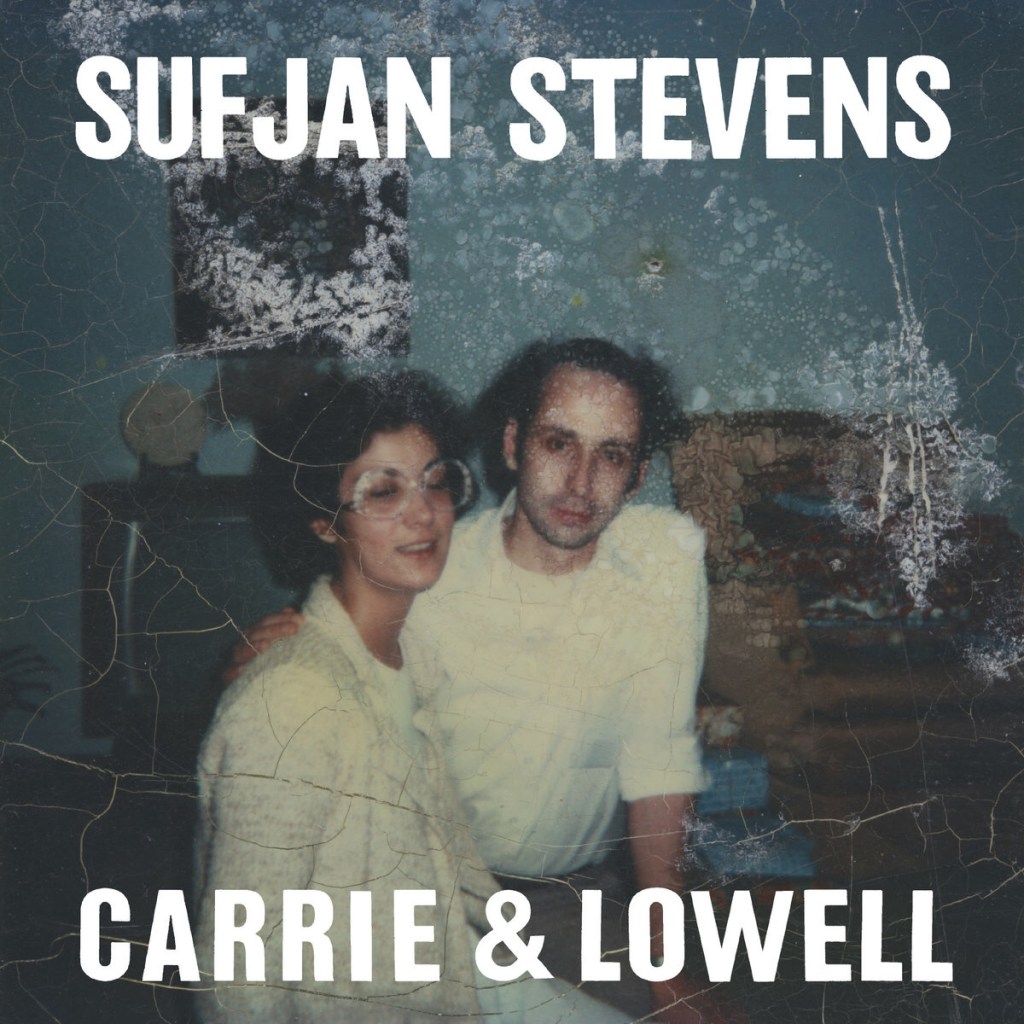
From the Archives: Quotes Graphics Part 3

I have a lot of these, but this will probably be the last batch I’ll share for a while. I have a lot of reading to catch up on because my day job has been incredibly time-consuming recently. Let me know what you think!

Thanks as always for being a faithful reader of The Voracious Bibliophile. If you like what you see, please follow, like, comment, and subscribe to my email list to get notified of new posts as soon as they drop. You can also email me at thevoraciousbibliophile@yahoo.com or catch me on Twitter @voraciousbiblog. Keep reading the world, one page (or pixel) at a time.

Graphics © 2020 by Fred Slusher. All rights reserved.