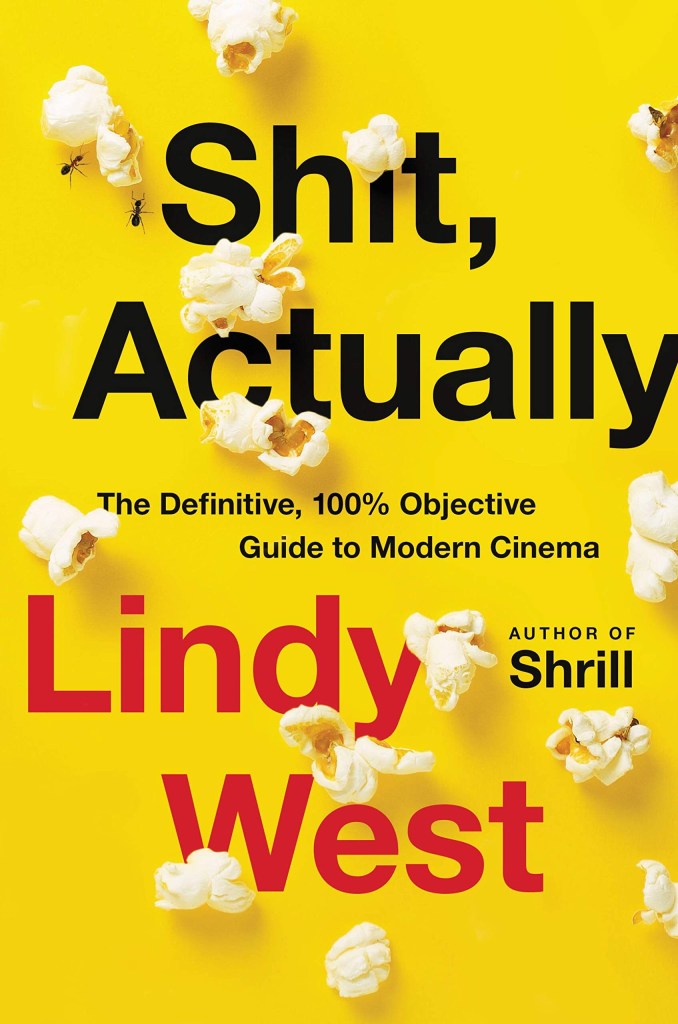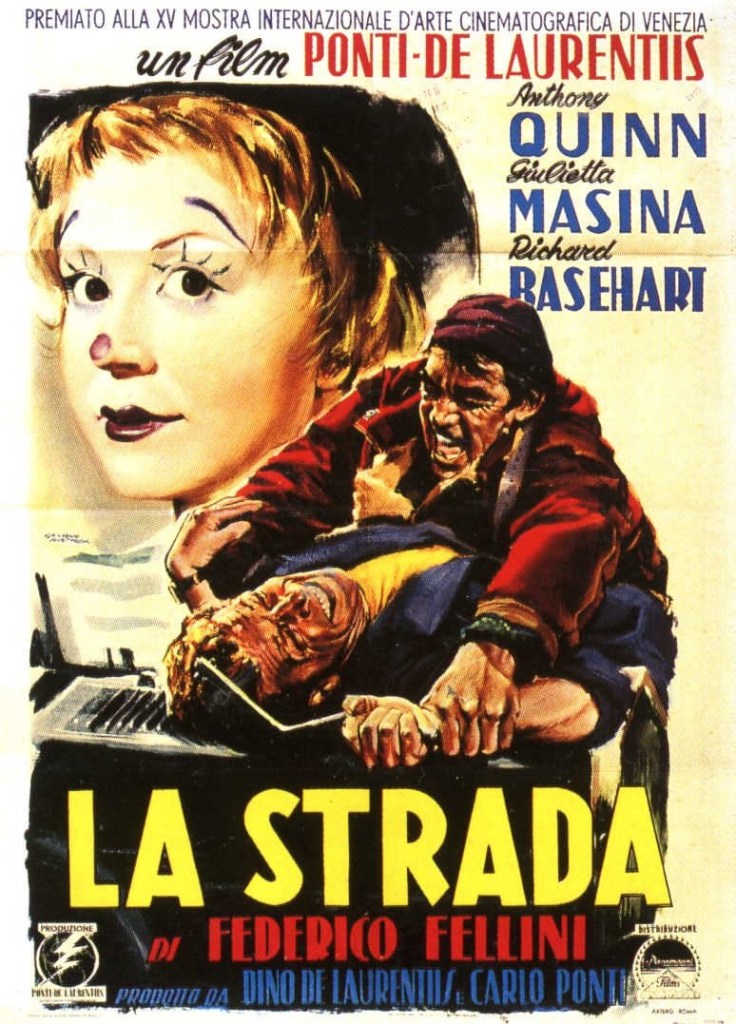
Iâm starting a new blog series here on The Voracious Bibliophile that Iâm calling Favorite Films. With each post, Iâll highlight a film that I love. These posts wonât be long-form reviews; instead, theyâll include just enough information to entice you to check out the films yourself. Where applicable, Iâll try to add streaming information as well.
Thanks as always for being a faithful reader of The Voracious Bibliophile. If you like what you see, please follow, like, comment, and subscribe to my email list to get notified of new posts as soon as they drop. You can also email me at thevoraciousbibliophile@yahoo.com or catch me on Twitter @voraciousbiblog. Keep reading the world, one page (or pixel) at a time.
Xavier Dolan is, in my opinion, one of the greatest practitioners of film craft of our time. At only 32 years of age, the QuĂŠbĂŠcois auteur has already directed eight feature films, all the while snatching up awards and garnering critical acclaim. While he has been branded an enfant terrible by some, I would not hesitate to call him an iconoclast. It takes a lot of chutzpah to rip out your heart on screen and offer it to your audience, still beating.
It takes a lot of chutzpah to rip out your heart on screen and offer it to your audience, still beating.
In I Killed My Mother, Dolan has provided us with a semi-autobiographical, near-perfect evocation of the vagaries of queer adolescence. Itâs all there: angst, rage, confusion, and the tentative eroticism that always accompanies waking up to yourself for the first time.
Itâs all there: angst, rage, confusion, and the tentative eroticism that always accompanies waking up to yourself for the first time.
Dolanâs Hubert and Anne Dorvalâs Chantale (Hubertâs mother) are at war. Hubert is figuring out who he is (and wants to be) at the same time that Chantale has settled, confused by the man her son is becoming and nostalgic for the easy relationship they once shared.
In one of the several interspersed black-and-white confessionals appearing throughout the film, Hubert laments the state of his relationship with his mother, saying, âWe should be able to kill ourselves. In our heads. And then be reborn. To be able to talk, look at each other, be together. As if we never met before.â For him, itâs impossible to move forward, to begin anew, with all the bad blood that exists between him and his mother. To him, sheâs gauche, tawdry, and overbearingâmore a magpie than a mother. To her, heâs selfish, immature, and pugnaciousâan unruly child screaming in the night.
We should be able to kill ourselves. In our heads. And then be reborn. To be able to talk, look at each other, be together. As if we never met before.
Hubert
We find out that Hubert has been in a relationship with Antonin, a friend of his from school, for a couple of months. Antoninâs mother is aware of their relationship and has no qualms about it, making Antoninâs home a place of refuge for Hubert and further alienating him from his mother.
It is not insignificant to any observant viewer that in Antoninâs bedroom hangs a poster of James Dean, from the iconic Torn Sweater series photographed by Roy Schatt for LIFE magazine; in Hubertâs bedroom hangs a poster of River Phoenix, whom every gay male teenager has been in love with since they first watched Stand by Me and (later, of course) My Own Private Idaho. Itâs the perfect mise en scène: disaffected queer youth playing out their own dramas onscreen while the (gone too soon) queer youth of years past look on.
Itâs the perfect mise en scène: disaffected queer youth playing out their own dramas onscreen while the (gone too soon) queer youth of years past look on.
Itâs frenetic and tender all at once: a supernova. There comes a point in the film where you fear Hubert may actually kill his mother, the vitriol between them is so strong. When Chantale goes to a tanning salon with a friend partway through the film, she runs into Antoninâs mother there. Antoninâs mother, either not knowing Hubertâs closeted or not understanding the need for a âclosetâ in the first place, casually mentions that Antonin and Hubert are celebrating two months together. That word, together, shatters whatever illusions Chantale may have still been harboring.
While Chantale is obviously not virulently homophobic, she is still altogether unequipped to provide the kind of support Hubert needs at this point in his life. One hopes that this revelation will cause Chantale to change course, be the first one to offer the olive branch, beginning the catharsis that will ultimately lead to healing and reunification. Instead, she digs in. She involves Hubertâs heretofore absent father in plotting to send him to boarding school.
Hubert becomes completely unhinged after learning of his parentsâ plot to shuffle him away to boarding school. When Chantale drops him off at the bus that will take him there, he asks his mother, âWhat would you do if I died today?â Heâs already walking away when she replies, âIâd die tomorrowâ. Anne Dorval utters this line barely above a whisper, but it is arguably the most emotionally resonant moment in the entire film.
Dolanâs artistic thumbprint is the ache that accompanies everything we canât unsay, even though we become more of ourselves in the saying. âThe only thing to kill in this lifetime is the enemy within, the hard core double. Dominating him is an art. How good an artist are we?â How good indeed.
Rating: âď¸âď¸âď¸âď¸
Thanks as always for being a faithful reader of The Voracious Bibliophile. If you like what you see, please follow, like, comment, and subscribe to my email list to get notified of new posts as soon as they drop. You can also email me at thevoraciousbibliophile@yahoo.com or catch me on Twitter @voraciousbiblog. Keep reading the world, one page (or pixel) at a time.
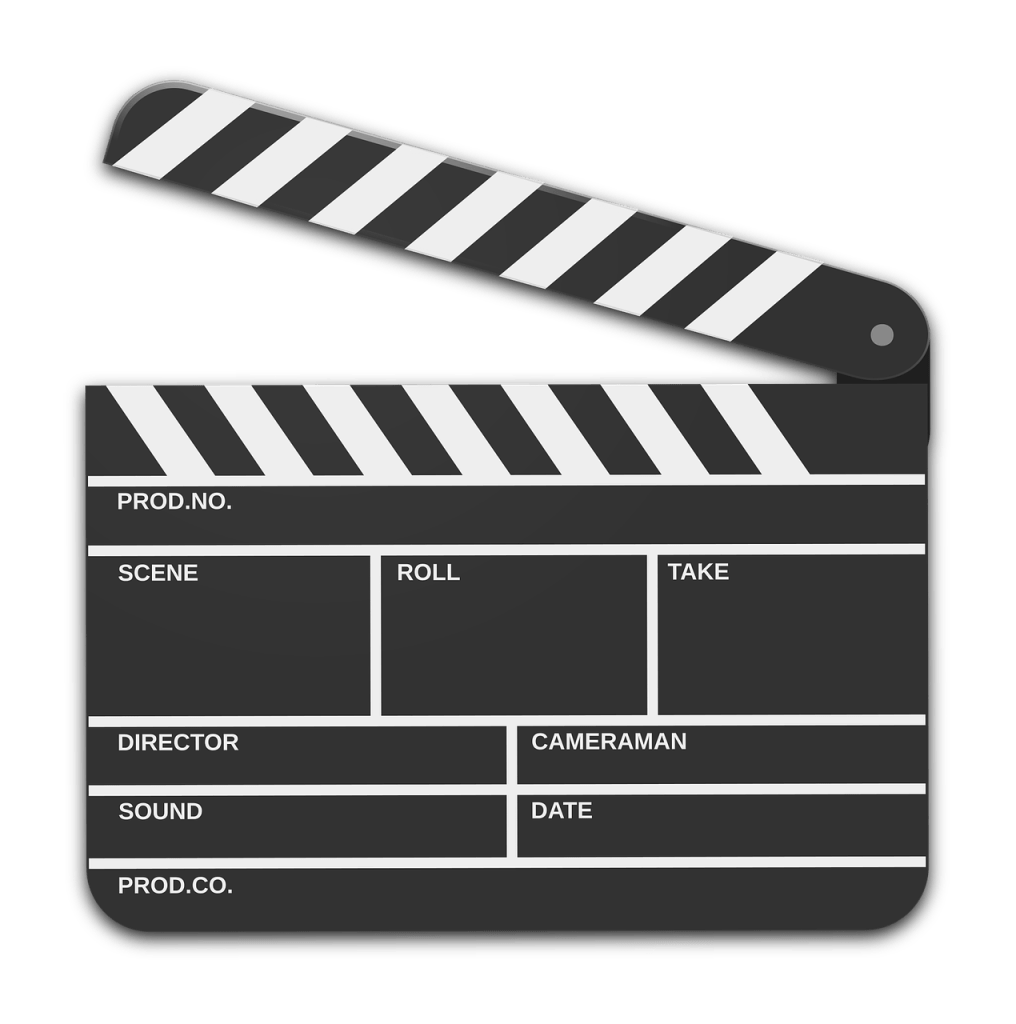
***Note: I received a free digital review copy of this book from NetGalley in exchange for an honest review***
Lindy West is one of our most incisive cultural commentators. Her previous books, Shrill: Notes from a Loud Woman and The Witches Are Coming (I own a signed copy) are seminal feminist texts.
However, if youâre looking for film commentary Ă la Leonard Maltin, Shit, Actually isnât for you. Shit, Actually is sly, irreverent, bombastic, and an absolute freaking delight to behold. Highlights for me included Westâs reviews (maybe takedowns is a more accurate word here?) of The Notebook, Forrest Gump, and most especially Titanic. Her Fabrizio bits are riotously funny and a master class in comedic snark.
My rating: 27/10 DVDs of The Fugitive.
To learn more about Lindy West and her work, as well as to find links where you can buy her books, visit her website.
Having this blog as a creative outlet has done wonders for my mental health. I love you all! See you next time.
Thanks as always for being a faithful reader of The Voracious Bibliophile. If you like what you see, please follow, like, comment, and subscribe to my email list to get notified of new posts as soon as they drop. You can also email me at thevoraciousbibliophile@yahoo.com or catch me on Twitter @voraciousbiblog. Keep reading the world, one page (or pixel) at a time.