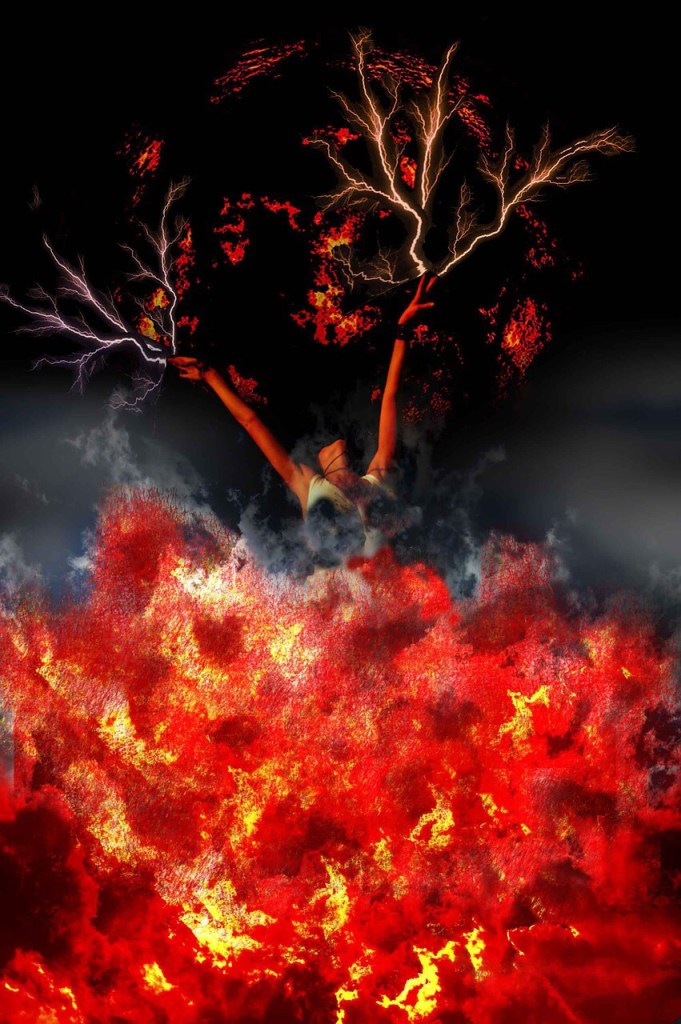
Electric city.
Love boats made planks on the rocks.
Ruin, my one song.
Thanks as always for being a faithful reader of The Voracious Bibliophile. If you like what you see, please like, comment, follow, and subscribe to my email list to get notified of new posts as soon as they drop. You can also email me at fred.slusher@thevoraciousbibliophile.com or catch me on Twitter and Instagram @voraciousbiblog. Keep reading the world, one page (or pixel) at a time.
Last night I watched the drag queen’s hip-pad
drift down her leg
                               and distort the full moon
of her figure. By dawn you won’t recall
how I hummed her song to you while you were
     sleeping.
We call this a marriage, but it isn’t
                                                           called that
     outside
this room. It isn’t called a thing. I’ve searched for
     a word
that means what I mean it to - how we are a part
of the world as much as we are apart from it -

and it does not exist. Still, we make of this thing
an imitation, an effigy. Still, we make it each day
because we exist, weary phantom, as both the
     flesh
and the illusion,
                           because we live together
even if we live as a drag queen does, drawing
applause from a world that holds her at bay.
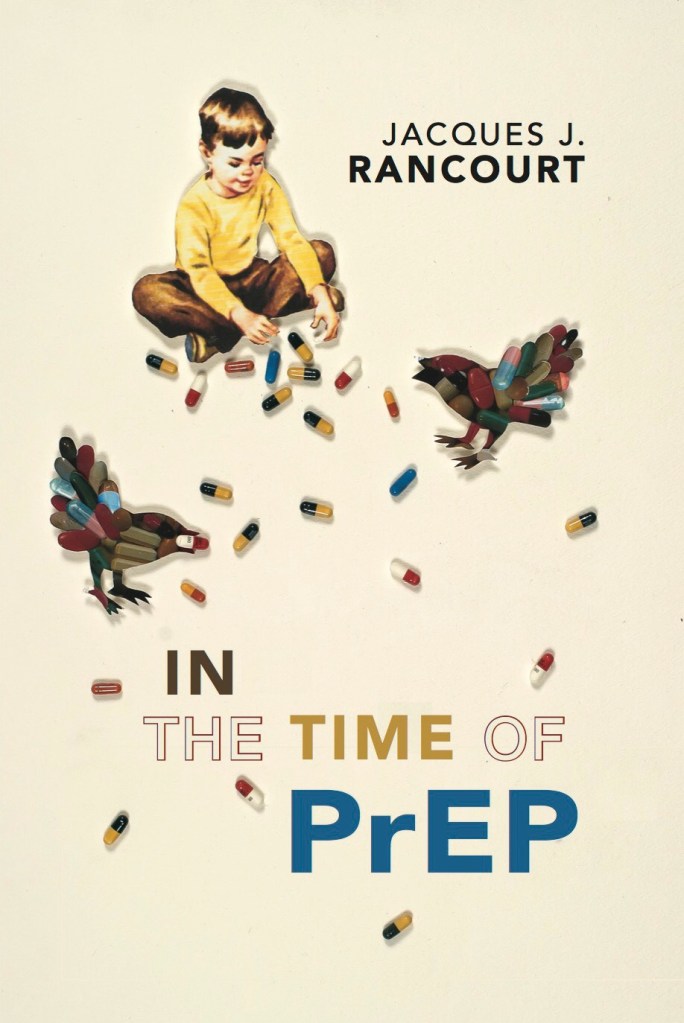
Broken Spectre: Poems(due to be released on September 14th, 2021) by Jacques J. Rancourt
Thanks as always for being a faithful reader of The Voracious Bibliophile. If you like what you see, please like, comment, follow, and subscribe to my email list to get notified of new posts as soon as they drop. You can also email me at fred.slusher@thevoraciousbibliophile.com or catch me on Twitter and Instagram @voraciousbiblog. Keep reading the world, one page (or pixel) at a time.
Do not go gentle into that good night by Dylan Thomas
Do not go gentle into that good night,
Old age should burn and rave at close of day;
Rage, rage against the dying of the light.

Though wise men at their end know dark is right,
Because their words had forked no lightning they
Do not go gentle into that good night.

Good men, the last wave by, crying how bright
Their frail deeds might have danced in a green
     bay,
Rage, rage against the dying of the light.

Wild men who caught and sang the sun in flight,
And learn, too late, they grieved it on its way,
Do not go gentle into that good night.

Grave men, near death, who see with blinding
     sight
Blind eyes could blaze like meteors and be gay,
Rage, rage against the dying of the light.

And you, my father, there on the sad height,
Curse, bless, me now with your fierce tears, I
     pray.
Do not go gentle into that good night.
Rage, rage against the dying of the light.
It’s almost cliché to love Dylan Thomas at this point and what a shame that is. Do not go gentleinto that good night is so popular because it is so profound, opening itself up to multiple interpretations. Thomas wrote it as his father was ill and dying, the poem’s urgency borne of both his current and impending grief.
If dreams are deferred and passions put aside for more pressing matters, the regret found at the end of a life not fully lived can drive a soul to despair and a mind to madness. You want to beg for more time and the plea falls on deaf ears.
There’s also a fair amount of regret expressed: Though wise men at their end know dark is right, / Because their words had forked no lightning they / Do not go gentle into that good night. Oxford Languages gives the definition of forked lightning as “lightning that is visible in the form of a branching line across the sky.” People who are facing death are forced to reckon with the way they’ve spent their time on earth, and part of this is measuring the impact of one’s words and deeds. If dreams are deferred and passions put aside for more pressing matters, the regret found at the end of a life not fully lived can drive a soul to despair and a mind to madness. You want to beg for more time and the plea falls on deaf ears.
Bonus: Sir Anthony Hopkins reads Do not go gentle into that good night by Dylan Thomas
What did you think about today’s poem? Do any lines strike you in particular? Let me know in the comments.
Thanks as always for being a faithful reader of The Voracious Bibliophile. If you like what you see, please like, comment, follow, and subscribe to my email list to get notified of new posts as soon as they drop. You can also email me at fred.slusher@thevoraciousbibliophile.com or catch me on Twitter and Instagram @voraciousbiblog. Keep reading the world, one page (or pixel) at a time.
In this moment, you’re still breathing. In this moment, you’ve survived. In this moment, you’re finding a way to step onto higher ground.
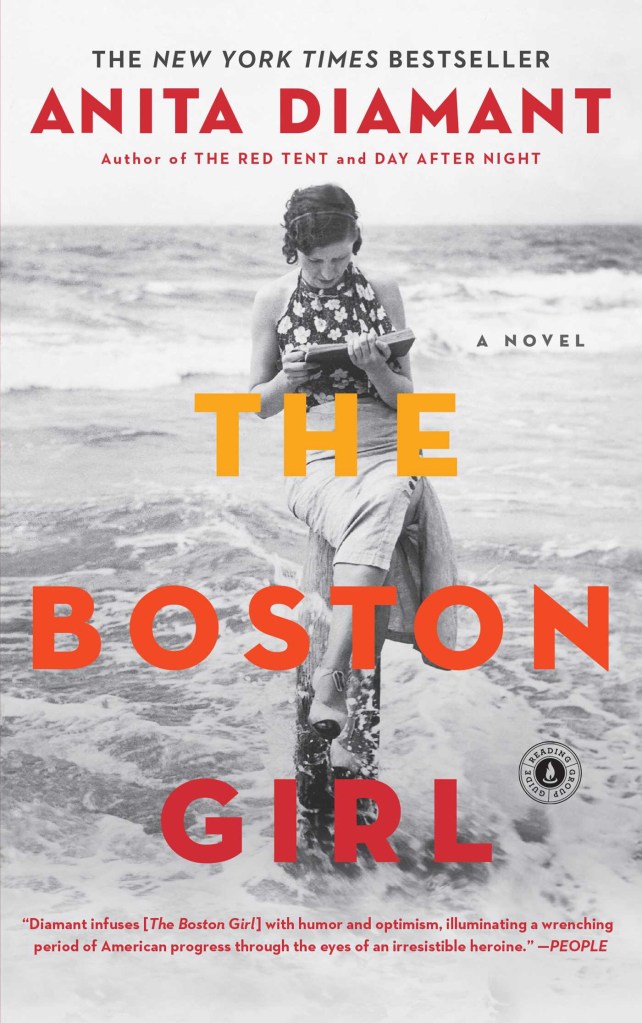
I’ve read What IKnow For Sure twice and I keep coming back to this quote. It’s easy to become bogged down by the accretion of worries and problems that we never really seem to have time to process before we have to tackle the next challenge. Remembering this quote helps me to get through by living moment to moment—by living mindfully. I can take stock in each moment when I feel overwhelmed and know that as of right now, I have everything I need. Right now, I am still breathing. Right now, my family is safe, healthy, and provided for. Right now, I am capable of doing what I have to do. Right now. Right now. Right now.
Thanks as always for being a faithful reader of The Voracious Bibliophile. If you like what you see, please like, comment, follow, and subscribe to my email list to get notified of new posts as soon as they drop. You can also email me at fred.slusher@thevoraciousbibliophile.com or catch me on Twitter and Instagram @voraciousbiblog. Keep reading the world, one page (or pixel) at a time.
Window pane on fire.
Darling, where’s my wedding gown?
Pain, bring me a pyre.
Thanks as always for being a faithful reader of The Voracious Bibliophile. If you like what you see, please like, comment, follow, and subscribe to my email list to get notified of new posts as soon as they drop. You can also email me at fred.slusher@thevoraciousbibliophile.com or catch me on Twitter and Instagram @voraciousbiblog. Keep reading the world, one page (or pixel) at a time.
War memorial:
A hurricane of lilacs;
Big wind, pray for me.
Thanks as always for being a faithful reader of The Voracious Bibliophile. If you like what you see, please like, comment, follow, and subscribe to my email list to get notified of new posts as soon as they drop. You can also email me at fred.slusher@thevoraciousbibliophile.com or catch me on Twitter and Instagram @voraciousbiblog. Keep reading the world, one page (or pixel) at a time.
Holy Sonnets: I am a little world made cunningly by John Donne
I am a little world made cunningly
Of elements and an angelic sprite
But black sin hath betray’d to endless night
My world’s both parts, and on both parts must die.
You which beyond that heaven which was most high
Have found new spheres, and of new lands can write,
Pour new seas in mine eyes, that so I might
Drown my world with my weeping earnestly,
Or wash it, if it must be drown’d no more.
But oh it must be burnt; alas the fire
Of lust and envy have burnt it heretofore,
And made it fouler; let their flames retire,
And burn me O Lord, with a fiery zeal
Of thee and thy house, which doth in eating heal.
John Donne (1572-1631), in addition to being arguably England’s chief metaphysical poet, also served as a cleric in the Anglican Church. He was made Dean of St. Paul’s Cathedral in 1621, where he spent the last decade of his life preaching and writing.
Thanks as always for being a faithful reader of The Voracious Bibliophile. If you like what you see, please like, comment, follow, and subscribe to my email list to get notified of new posts as soon as they drop. You can also email me at fred.slusher@thevoraciousbibliophile.com or catch me on Twitter and Instagram @voraciousbiblog. Keep reading the world, one page (or pixel) at a time.
I feel like Jorie Graham is one of those poets who just gets it. Her work seems to come from this wellspring of hidden and ancient knowledge, accessible only to a few people who are willing to dig, to seek, and then finally to see. I love this entire collection, but those eight words right there say everything. I own myself, I own my leaving. Carve that on my headstone, please. When birds are relieving themselves on my resting place, let these be the words that passersby can see.
Thanks as always for being a faithful reader of The Voracious Bibliophile. If you like what you see, please like, comment, follow, and subscribe to my email list to get notified of new posts as soon as they drop. You can also email me at fred.slusher@thevoraciousbibliophile.com or catch me on Twitter and Instagram @voraciousbiblog. Keep reading the world, one page (or pixel) at a time.
Poignant memories
Bitter like forgotten dreams
I’m always awake
Thanks as always for being a faithful reader of The Voracious Bibliophile. If you like what you see, please like, comment, follow, and subscribe to my email list to get notified of new posts as soon as they drop. You can also email me at fred.slusher@thevoraciousbibliophile.com or catch me on Twitter and Instagram @voraciousbiblog. Keep reading the world, one page (or pixel) at a time.