


July is always hot and utterly still. It’s a melancholy that makes my heart ache, like grief is rising up out of the soil for every dead thing that ever lived.
Julia Heaberlin
July is always hot and utterly still. It’s a melancholy that makes my heart ache, like grief is rising up out of the soil for every dead thing that ever lived.
Julia Heaberlin
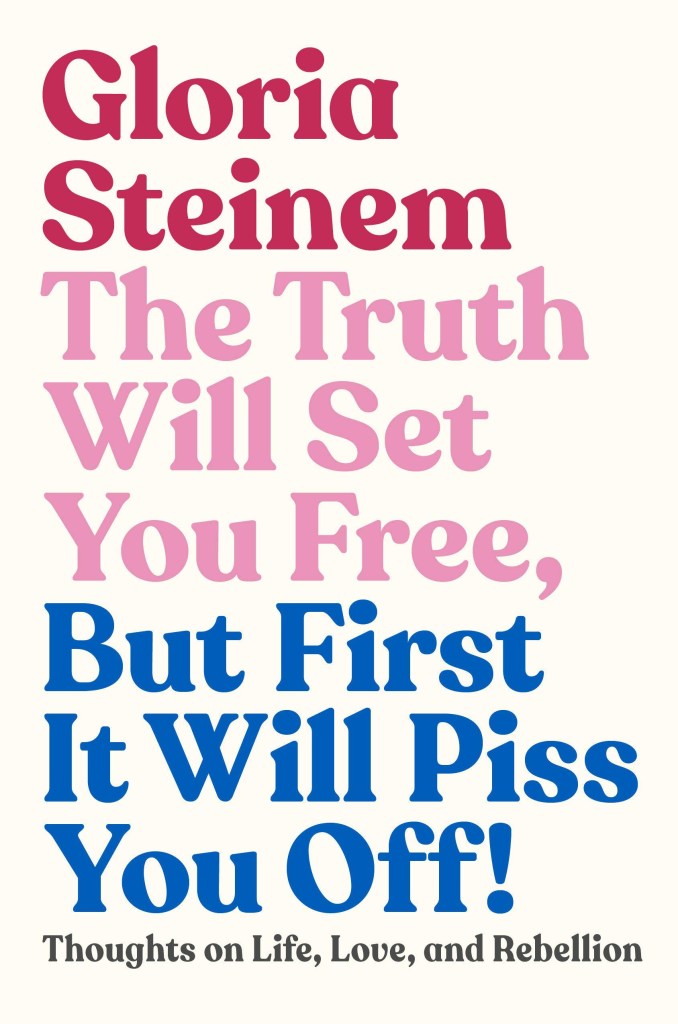
Our tactics must always reflect our goals. There is no such thing as killing for peace, strengthening people by making their decisions for them, or suppressing dissent to gain freedom.
Gloria Steinem

***Note: I received a free digital review copy of this book from NetGalley in exchange for an honest review.***
Garlic and the Vampire is in my opinion one of the best graphic novels written for younger readers to come out in the past decade. It tells the story of Garlic, who lives in a community of anthropomorphic vegetables created and cared for by Witch Agnes, a benevolent sorceress who teaches her vegetables the value of hard work and giving back to one’s community.
When we first meet Garlic, she is shy, passive, and timid. When a vampire is discovered to be living in the castle near their community, Garlic is decided to be the only one who can safely determine whether or not he is a threat to the humans who live in the village. She reluctantly decides to go despite her fears, knowing it’s the right thing to do.
Along the way she becomes braver, learning to rely on her own inner strength. When she finally confronts the count she learns that just because someone is different doesn’t always mean they’re to be feared, and that the best way to find out about someone else is to talk to them.
Garlic and the Vampire is due to be released on September 28th of this year and is now available to preorder wherever books are sold.
Thanks as always for being a faithful reader of The Voracious Bibliophile. If you like what you see, please follow, like, comment, and subscribe to my email list to get notified of new posts as soon as they drop. You can also email me at thevoraciousbibliophile@yahoo.com or catch me on Twitter @voraciousbiblog. Keep reading the world, one page (or pixel) at a time.
***Note: I received a free digital review copy of this book from NetGalley in exchange for an honest review.***
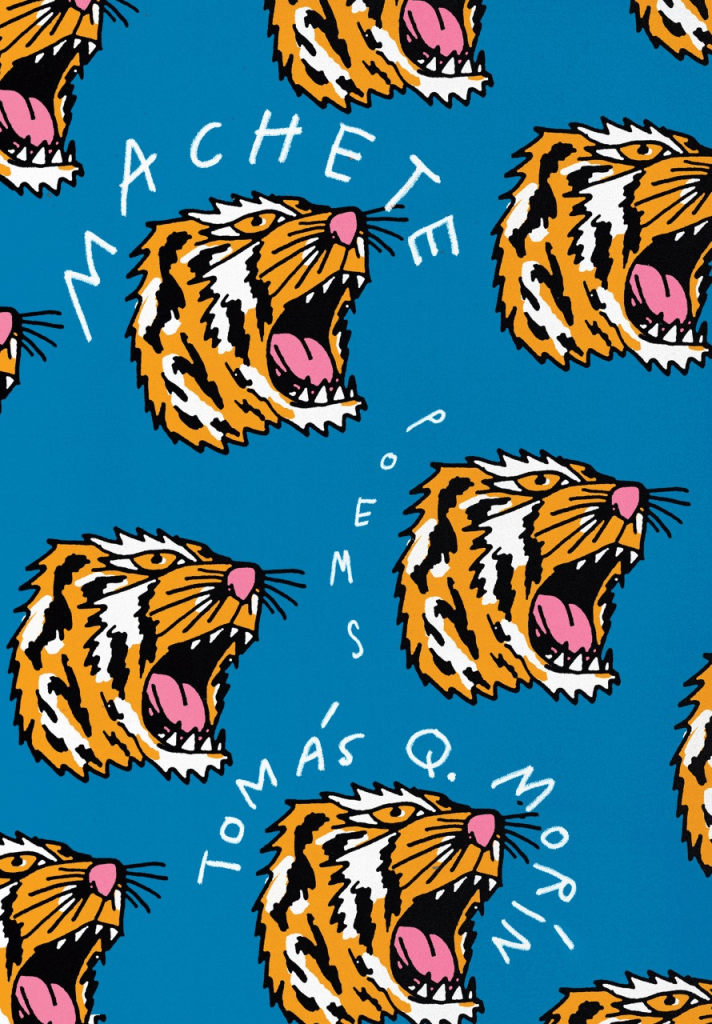
I’m going to be honest with you. When I first started reading Morín’s forthcoming collection Machete, I didn’t think I was going to like it—and then it snuck up on me. Pretty soon, I couldn’t stop drinking in words, even when they were sharper than a mouth full of knives. Machete is one of those collections poised to become era-defining, and I think if we somehow make it past climate change and the threat of nuclear proliferation we’ll remember it as one of the essential works of the pandemic. With its tonal shifts, manic ebullience, and hyper focus on finding the sublime in the quotidian, it is the perfect read for a world that has been forced to stand still even while it’s on fire. I can’t wait to put it in people’s hands.
Machete: Poems is due to be released on October 12th of this year and is now available to preorder wherever books are sold.
Thanks as always for being a faithful reader of The Voracious Bibliophile. If you like what you see, please follow, like, comment, and subscribe to my email list to get notified of new posts as soon as they drop. You can also email me at thevoraciousbibliophile@yahoo.com or catch me on Twitter @voraciousbiblog. Keep reading the world, one page (or pixel) at a time.

I am not pretty. I am not beautiful. I am as radiant as the sun.
Suzanne Collins, The Hunger Games

I just wanted to take a second here and thank everyone who has given my blog a chance. Thanks to all of you, my blog is almost at 800 views! That might not seem like a lot to some people but for me it’s incredibly validating. I’ve always loved sharing my opinions on books, movies, and more, and having a platform to do that brings me so much joy.
Thanks as always for being a faithful reader of The Voracious Bibliophile. If you like what you see, please follow, like, comment, and subscribe to my email list to get notified of new posts as soon as they drop. You can also email me at thevoraciousbibliophile@yahoo.com or catch me on Twitter @voraciousbiblog. Keep reading the world, one page (or pixel) at a time.

***Note: I received a free digital review copy of this book from NetGalley in exchange for an honest review.***
If you’ve not yet read any of Elie Wiesel’s work, you’re doing yourself a great disservice. The Holocaust survivor and Nobel laureate was a self-appointed chronicler of memory who made it his life’s work to never let the world forget the crimes of the Nazi regime and their supporters.
The Tale of a Niggun is based on factual events and tells the story of a rabbi who is given a dire ultimatum: either choose ten Jews from his community to be hanged on Purim to avenge the sons of Haman or else they will all perish. How does one begin to make such a decision? How does one retain their humanity in the face of such unspeakable violence?
The rabbi spends the night searching for guidance, for answers, and for clarity. In the end, he realizes he cannot condemn to death any of his people. Knowing their fate, everyone in the community begins singing a niggun—a song—that remains unbroken, that continues for all eternity, as long as human beings inhabit the earth. What the Nazis (the “enemy” in the book is unnamed but we can surmise that the amorphous “enemy” is meant to represent the Nazis) failed to realize is that you can take people’s lives, but you can’t take their spirit; you can extinguish their breath, but you can’t extinguish their memory.
The Tale of a Niggun is now available to purchase wherever books are sold.
Thanks as always for being a faithful reader of The Voracious Bibliophile. If you like what you see, please follow, like, comment, and subscribe to my email list to get notified of new posts as soon as they drop. You can also email me at thevoraciousbibliophile@yahoo.com or catch me on Twitter @voraciousbiblog. Keep reading the world, one page (or pixel) at a time.

Books have a unique way of stopping time in a particular moment and saying: Let’s not forget this.
Dave Eggers
One of my favorite things in the world is the feeling you get when you’re totally unguarded, immersed in a book, and you read a line or a passage that arrests you completely. In that moment, there are only two entities in the entire world: you and the author. Something clicks. It’s a spiritual connection made between two minds that validate each other through that silent acknowledgment, that yes, I feel that too.
In that moment, there are only two entities in the entire world: you and the author. Something clicks.
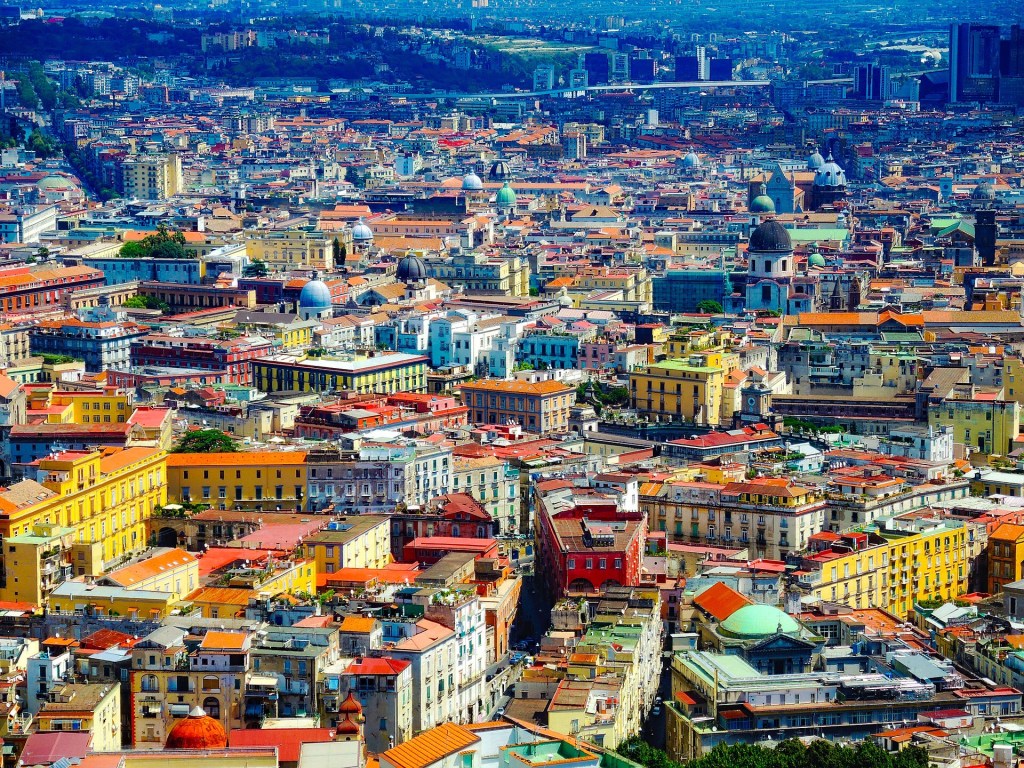
The last time that happened to me was while I was reading Elena Ferrante’s Neapolitan Quartet. Those books destroyed me completely. Starting with My Brilliant Friend, Ferrante follows two women, Elena and Lila, living in an impoverished neighborhood in Naples, Italy. Their friendship is really the story at the heart of the novels, and Ferrante follows them from around the time they’re eight years old in primary school to the time they’re in their fifties. The transformation of their friendship mirrors the transformation of Naples and Italy itself, with all the concomitant volatility, upheaval, violence, grace, and love.
The transformation of their friendship mirrors the transformation of Naples and Italy itself, with all the concomitant volatility, upheaval, violence, grace, and love.
There were times when I was reading I would actually forget Elena and Lila were fictional characters, and I would cry, and I would tense up from the sheer electricity of Ferrante’s prose. Their sorrows were my sorrows, their pain my pain, their love my love. If all prose writers were like Elena Ferrante, I don’t think my heart could handle it. For me, that’s the purpose of literature—to both transcend your personal understanding of the world at the same time your own experience is validated.
For me, that’s the purpose of literature—to both transcend your personal understanding of the world at the same time your own experience is validated.
Thanks as always for being a faithful reader of The Voracious Bibliophile. If you like what you see, please follow, like, comment, and subscribe to my email list to get notified of new posts as soon as they drop. You can also email me at thevoraciousbibliophile@yahoo.com or catch me on Twitter @voraciousbiblog. Keep reading the world, one page (or pixel) at a time.
You do not have to be good.
You do not have to walk on your knees
for a hundred miles through the desert, repenting.
You only have to let the soft animal of your body
love what it loves.
Tell me about despair, yours, and I will tell you mine.
Meanwhile the world goes on.
Meanwhile the sun and the clear pebbles of the rain
are moving across the landscapes,
over the prairies and the deep trees,
the mountains and the rivers.
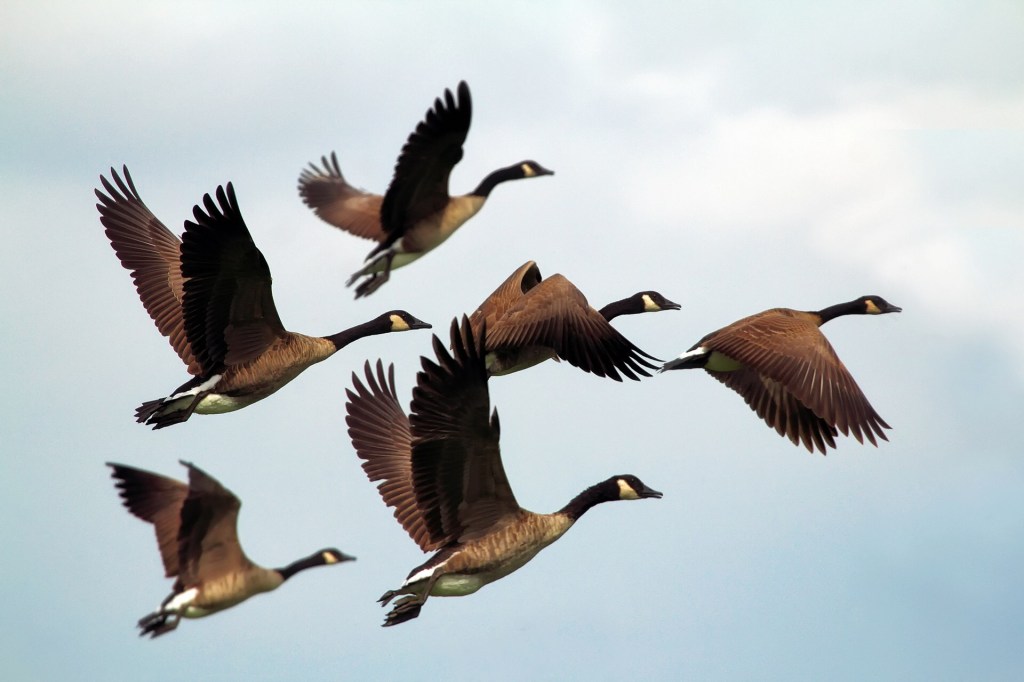
Meanwhile the wild geese, high in the clean blue air,
are heading home again.
Whoever you are, no matter how lonely,
the world offers itself to your imagination,
calls to you like the wild geese, harsh and exciting –
over and over announcing your place
in the family of things.
Mary Oliver
One of the reasons I love Mary Oliver and her poetry so much is she gives you, me, all of us, permission to be the most authentic versions of ourselves. We can shed the artifice, the smoke and mirrors, the self-flagellation. We can allow ourselves to exist without imposing legalistic strictures on who we are and how we’re supposed to behave. We can be wild, in the purest sense. And how freeing that thought is.
We can shed the artifice, the smoke and mirrors, the self-flagellation. We can allow ourselves to exist without imposing legalistic strictures on who we are and how we’re supposed to behave. We can be wild, in the purest sense.
Sometimes I read Mary Oliver when I need a dose of self-forgiveness. The world teaches us to feel shame, to loathe and condemn, but that is not in our original design. It is okay to just be. For anyone looking for a good place to start reading Mary Oliver’s oeuvre, I’d personally recommend Devotions, because it includes work from all of her previous collections of poetry.
Thanks as always for being a faithful reader of The Voracious Bibliophile. If you like what you see, please follow, like, comment, and subscribe to my email list to get notified of new posts as soon as they drop. You can also email me at thevoraciousbibliophile@yahoo.com or catch me on Twitter @voraciousbiblog. Keep reading the world, one page (or pixel) at a time.
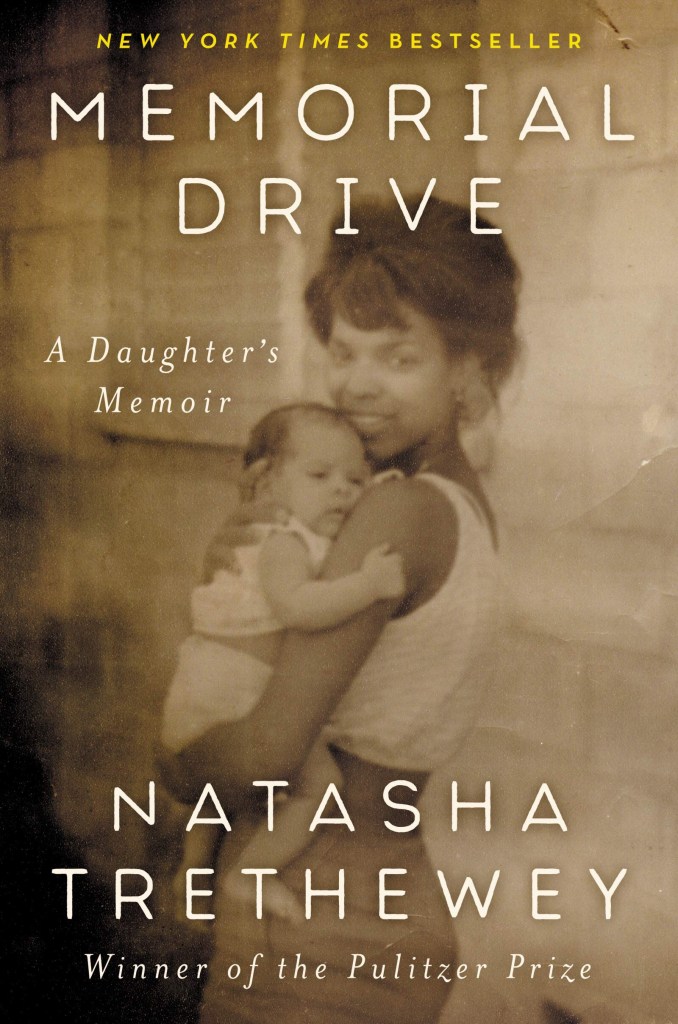
To survive trauma, one must be able to tell a story about it.
Memorial Drive: A Daughter’s Memoir by Natasha Trethewey was arguably the best book I read last year. Like so many of the books I seem to be gravitating toward recently, it explores loss; specifically, the loss of the author’s mother. Trethewey’s mother was murdered by her stepfather when she was only 19 years old, and Memorial Drive both grounds and mythologizes her mother’s story, likening her to Persephone of Greek mythology, who was kidnapped by Hades and made Queen of the Underworld.
I love the quote I chose from the book today because I have experienced its truth in my own life. There are some things I have experienced I’m unsure I would have survived had I not been able to create narratives around them; the stories of how I came so very close to the edge, could in fact hear the wind whistling in the canyon below, and how Something always pulled me back.
Thanks as always for being a faithful reader of The Voracious Bibliophile. If you like what you see, please follow, like, comment, and subscribe to my email list to get notified of new posts as soon as they drop. You can also email me at thevoraciousbibliophile@yahoo.com or catch me on Twitter @voraciousbiblog. Keep reading the world, one page (or pixel) at a time.

