


I think people who believe in something can love each other more.
San Francisco (1936); directed by Woody Van Dyke
I think people who believe in something can love each other more.
San Francisco (1936); directed by Woody Van Dyke
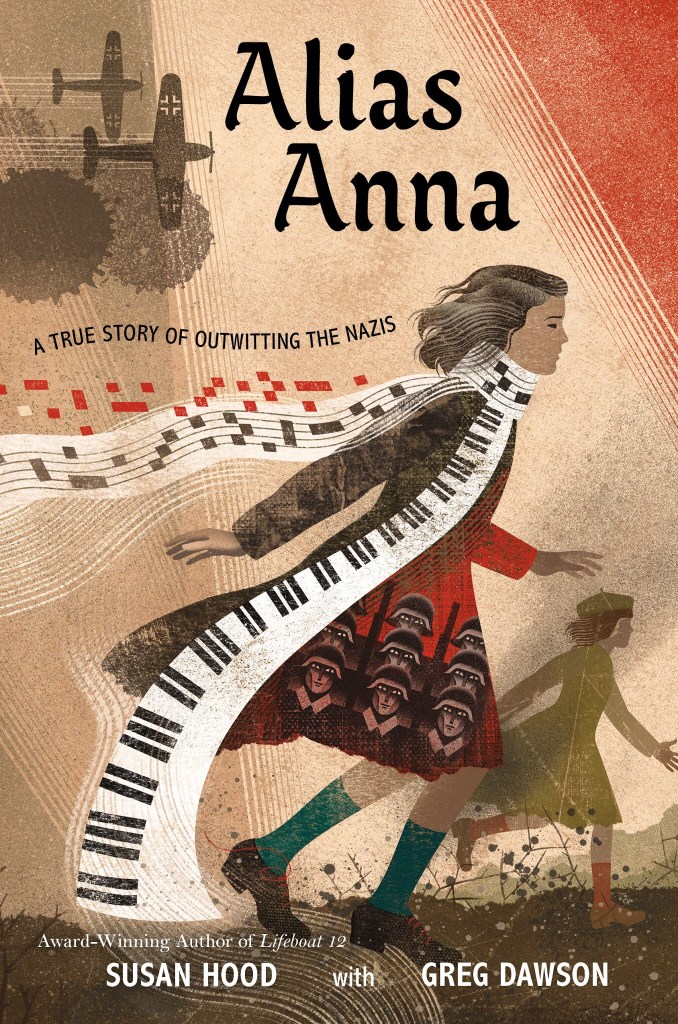
***Note: I received a free digital review copy of this book from NetGalley in exchange for an honest review.***
Expected Publication Date: March 22nd, 2022
Publisher: HarperCollins
The Holocaust (also known as the Shoah) was the attempted genocide of the entire Jewish population in Europe carried out by German dictator Adolf Hitler and his collaborators between 1941 and 1945. Crafted as the Final Solution to the Jewish Question, Hitler’s ultimate goal was the extermination of an entire people from the face of the earth, a horrific crime in aggregate.
While the crimes of the Nazis are unparalleled in the history of humanity, forgetting the stories of the people who were murdered and the people who survived is also a crime of incalculable magnitude. It is our duty to call out injustice wherever we see it, to speak truth to power, and to hold in memory the crimes of the past so that we can be the architects of a more just and equitable future.
It is our duty to call out injustice wherever we see it, to speak truth to power, and to hold in memory the crimes of the past so that we can be the architects of a more just and equitable future.
This duty is not one that can be transferred or reassigned. We remember not only as an act of preservation but as one of defiance. Zhanna’s story is one of millions.
We remember not only as an act of preservation but as one of defiance.
Alias Anna: A True Story of Outwitting the Nazis tells the story of Zhanna Arshanskaya and her sister Frina, who survived the Holocaust by quite literally hiding in plain sight, creating new non-Jewish identities for themselves and using their musical abilities to perform for high-ranking Nazi officers, providing entertainment to the very people responsible for the murder of their entire family because they had no other choice. It was play or die. And too much had been sacrificed for the sisters to die.
When most people think of the Holocaust, they conjure up images of concentration camps, of gas chambers and emaciated bodies stacked carelessly in mass graves. There were indeed many concentration camps operated by the Nazis, but they were indifferent to the methods used as long as the job—annihilating the Jewish people from the face of the earth—was done.
For the majority of the Soviet Jews, the Nazis’ primary method of execution was the firing squad, whereby they would march them to pits and ravines and unleash volleys of bullets. They also used fire and carbon monoxide when bullets were deemed insufficient. In December 1941, the Nazis rounded up the majority of the Jews from Kharkov and made them march to an abandoned tractor factory outside the city. After a few weeks of extreme deprivation, given little to no food and having scant protection against the elements, the Jews of Kharkov (including Zhanna, her sister Frina, her parents, and her grandparents) were marched to the ravine at Drobitsky Yar, facing certain execution.
I don’t care what you do. Just live.
Dmitri Arshansky
Before the ill-fated march to Drobitsky Yar, Zhanna and Frina lived what could be called charmed lives with their family in Kharkov. They were musical prodigies of the highest caliber, becoming the youngest students (ages eight and six at the time) ever accepted into and given scholarships to the famed Kharkov Conservatory of Music. It was there that Zhanna was first introduced to her favorite piece of music, her choice composition—Chopin’s Fantaisie-Impromptu. The sheet music for this composition would become Zhanna’s only material possession and thus the only physical reminder of her former life, though she could not have foreseen this.
Dmitri Arshansky was no fool. He knew with absolute certainty that the Nazis were marching them toward their deaths, and he also believed that young Zhanna was the only one who might have a chance of escaping.
Knowing this, his last gift and last act of fatherly love was to give one of their guards his golden pocket watch that he’d managed to hide during the long march in exchange for the man turning a blind eye when his daughter jumped out of line and made her escape. His final admonition to her was this: I don’t care what you do. Just live. The greatest expression of love has to be giving the last thing you have to the person you love the most; if a greater love exists, I am unaware of it.
The greatest expression of love has to be giving the last thing you have to the person you love the most; if a greater love exists, I am unaware of it.
It was Fantaisie-Impromptu that she clutched against her chest as she jumped out of line and blended into a crowd of onlookers. Knowing it was to be the last time she would see her family, she wept and wept. Not knowing where else to go, Zhanna made her way back to Kharkov. Once there, she first sought shelter with her friend and classmate Svetlana Gaponovitch and her family. She thought that since the father of the family was Jewish, despite the fact that he longer lived in the household, she would be shown mercy by people who understood her situation. Instead, she had the door slammed in her face.
Unsure of where to go next and desperately tired, hungry, and cold, she knocked on the door of another classmate, Lida Slipko. Rumor had it that Lida’s mother was an anti-Semite, but young Zhanna was out of options and at the end of her rope. To her great surprise, they (Lida and her mother) hastened her in and shut the door behind her, showing her more compassion and common humanity than she had received at the hands of the Gaponovitch family.
Her brief respite was not to last, however. Zhanna knew that to stay too long in one place would endanger not only herself but the people who sheltered her, and so Lida suggested she go to the home of Nicolai Bogancha, an acquaintance and crush of hers who lived in the same neighborhood as Zhanna did growing up.
The Bogancha family was a saving grace for Zhanna. There in their home she felt safe, cared for, and hopeful for the future. It was also during her time staying with the Bogancha family that she learned something truly miraculous—her sister Frina was still alive. After learning this, one night Nicolai’s father snuck out and retrieved Frina, bringing her to Zhanna, back to the last link she had left in the world. Words are insufficient to describe the absolute elation Zhanna experienced when she learned that her sister had managed to escape. To this day, historians have no idea how Frina managed to escape the death march to Drobitsky Yar. Frina herself never revealed how, not even to Zhanna. Some things are just too painful to share, even with the people we love most.
To this day, historians have no idea how Frina managed to escape the death march to Drobitsky Yar. Frina herself never revealed how, not even to Zhanna. Some things are just too painful to share, even with the people we love most.
Together, the sisters were far too recognizable. After all, they had been performing in public for quite some time, given their enormous talent at such young ages. They knew they had to leave Kharkov, their home, and forge a new path somewhere else, somewhere the Nazis couldn’t reach them. Nicolai’s parents helped the sisters to craft new identities, giving them aliases and a backstory to protect them moving forward. They thus became Anna and Marina Morozova, orphans who had lost both parents—their mother during the German bombing of Kharkov and their father in battle while acting as an officer in Stalin’s Red Army.
As non-Jewish Russian orphans, if they could secure admission into an orphanage they could have identification papers drawn up, legally ratifying their new names and stories and giving them a modicum of protection against Nazi inquiry.
They managed to do just this, and by some act of divine providence or merciful coincidence, the orphanage they ended up at had a decrepit piano. It wasn’t much, this battered and careworn old instrument, but the talented sisters coaxed it to life and made it sing, bringing life and joy to all who heard their beautiful music. German soldiers passing by heard the lovely notes emanating from the run-down orphanage, and the director of the orphanage was so elated at this attention that he hired a piano tuner to make the instrument worthy of its practitioners.
The piano tuner’s name was Misha Alexandrovich, a kindly and intelligent man who took to Zhanna right away. He pleaded with her to come and play for the directors of the music school at Kremenchug. She was highly resistant to this suggestion, naturally not wanting to draw that much attention to herself and her sister. However, in the end she realized it would draw even more attention to refuse such a beneficent offer, and thus agreed to go.
Zhanna and Frina (Anna and Marina) accompanied Misha to Kremenchug, and the director of the school was so taken with them that they were given a studio to live and practice in. The sisters couldn’t believe their good fortune.
There was a catch to the director’s generosity, however. She needed the girls to play piano for the singers and dancers who were required to perform for the Germans at the theater next door to the school. When the theater director heard Zhanna play, he hired the sisters on the spot. And so that is how the Arshanskaya sisters came to play for the very Nazi officers who had upended their lives forever. They had taken away their home, their family, their state, and their very names, but they could not break their spirits. In the end, Zhanna and Frina would reign triumphant while the Nazi regime crumbled.
They had taken away their home, their family, their state, and their very names, but they could not break their spirits. In the end, Zhanna and Frina would reign triumphant while the Nazi regime crumbled.
Alias Anna is a beautiful story of courage, resilience, and the triumph of the human spirit. It is a testament to the Arshanskaya sisters who survived despite all odds and the Jewish people who showed the Nazis and the world that you can destroy the body but you cannot destroy the soul, not with any force or weapon known to man. I want every person living to read this book.
*Conflicting birthdates are given for Zhanna. Alias Anna gives her birthdate as April 1st, 1927 while the oral history recorded with Zhanna by The Breman Museum gives her birthdate as February 1st, 1927. In deference to Greg Dawson, I have kept the date listed in Alias Anna.
Playing to live: Pianist survived Holocaust by performing for Nazis (CNN) by Moni Basu
The WWII Massacres at Drobitsky Yar Were the Result of Years of Scapegoating Jews (Smithsonian Magazine) by Lorraine Boissoneault
Defying Destiny—A Miraculous Tale of Survival (The Juilliard Journal) by Greg Dawson
Thanks as always for being a faithful reader of The Voracious Bibliophile. If you like what you see, please follow, like, comment, and subscribe to my email list to get notified of new posts as soon as they drop. You can also email me at thevoraciousbibliophile@yahoo.com or catch me on Twitter @voraciousbiblog. Keep reading the world, one page (or pixel) at a time.
So, all of you who keep up with this blog know that I’ve started posting original poetry on here. I’ve been writing poetry for years and have even had a few pieces published, but it took a lot of soul-searching for me to just start dropping new work on here. That said, a few months ago I went through a period where I wrote a bunch of haiku. After reading through them, I decided I’d like to share them here. Here’s the first one. Please go easy on me.
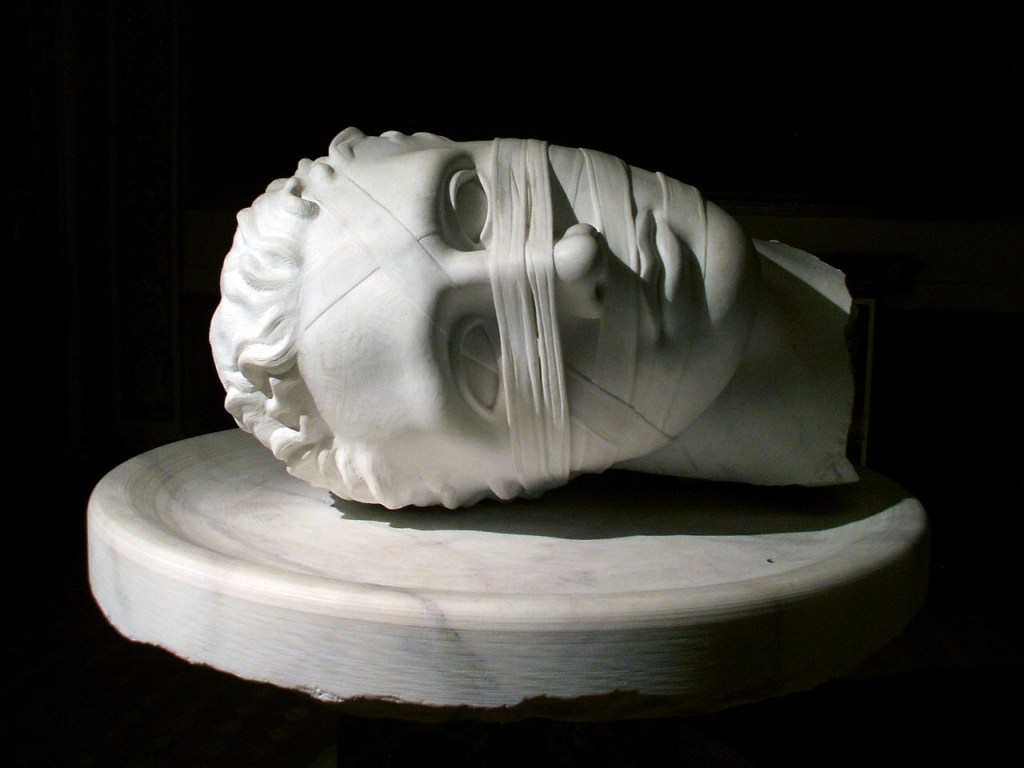
Blood martyr sing-song
Slow whistling tunes of bones
Bring me a new war
Thanks as always for being a faithful reader of The Voracious Bibliophile. If you like what you see, please follow, like, comment, and subscribe to my email list to get notified of new posts as soon as they drop. You can also email me at thevoraciousbibliophile@yahoo.com or catch me on Twitter @voraciousbiblog. Keep reading the world, one page (or pixel) at a time.
© 2021 Fred Slusher. All rights reserved.
Some people believe the only way you can
know God is to prove to him that you’re not
afraid to die.
They were writhing,

wriggling their way through

darkened halls & hidden

crevices. I am a small world

made large every night.

And the guns, they don’t work.

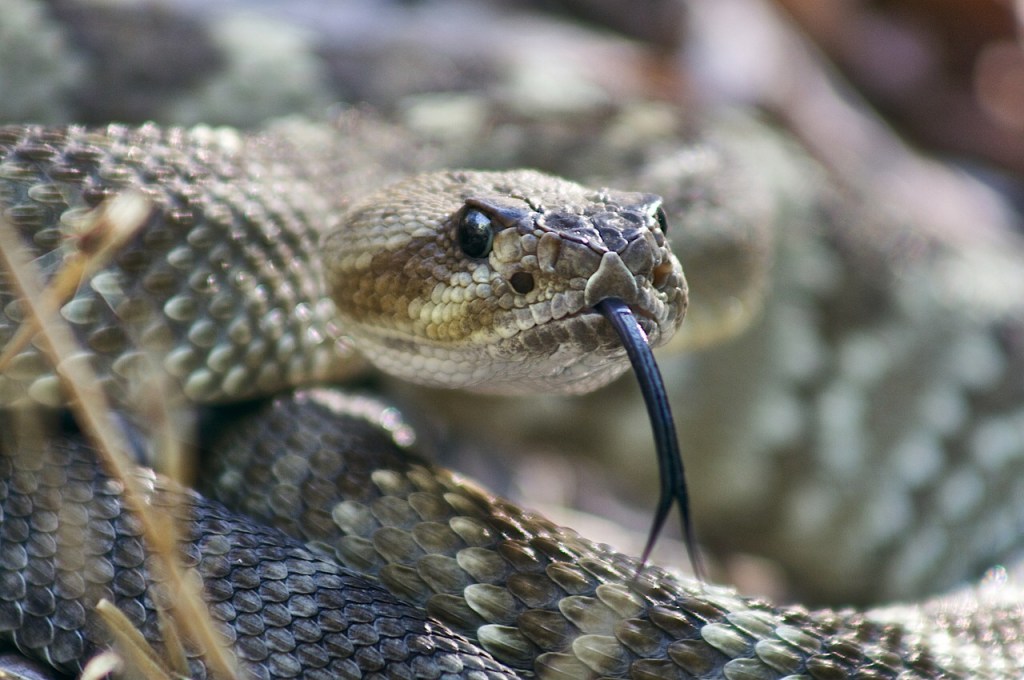
My great-grandfather held snakes

in church, offered them up to God.

My, how they danced together.

Strange language, dancing to the beat

of impending eternity, to a sound only

they could hear. Holding death that close

just has to be holy—a desecrated lullaby.

Some people believe the only way you can

know God is to prove to him that you’re not

afraid to die. In the dream, I’m going under

once again. Silence is an art of the most

hallowed & hollow solemnity. Oh faithless

love, oh desert, oh fracture, oh quake, please

caress the fear from my windows where

layers of shadows ensconce me in

false protections, mirages & mists & secret

songs taught only in the dark. There is this fear,

this shroud covering me. There is this sway,

this truth. There is this serpent slivering its

way out of reach. There is this enormity.

There is this heresy. There is this

sorrow. There is this cataclysm

raining on the living. There is this

violence that lives in the soul & chokes it

just so. There is this madness flickering

like a lit match in a dry barn. There is this

burning. There is this roof that’s corpsing

itself into a glorious & effervescent ruin.

There is this scream that imbibes blood like

water.
Thanks as always for being a faithful reader of The Voracious Bibliophile. If you like what you see, please follow, like, comment, and subscribe to my email list to get notified of new posts as soon as they drop. You can also email me at thevoraciousbibliophile@yahoo.com or catch me on Twitter @voraciousbiblog. Keep reading the world, one page (or pixel) at a time.
© 2021 Fred Slusher. All rights reserved.
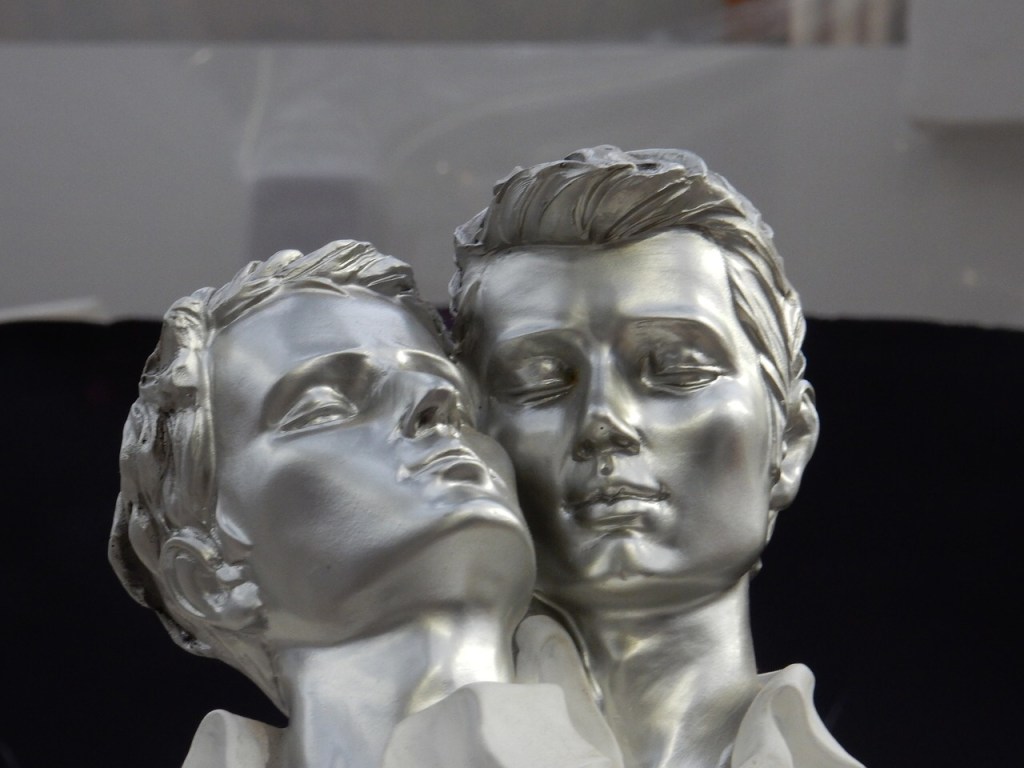
The first time I saw two men kissing, I was six,
Living in 1970s L.A. My mom took care
Of an elderly woman who found herself in a fix
And moved into a complex of all men, bare
Chested men, with cutoff jeans and tinted glasses.
My mother’s friend gave me chocolates that matched
Her skin—this must be heaven. These sons’ asses
Peeked out beneath their shorts, but watched
Over her better than mom. Took donations for heat,
A sofa and a new wig—all changed her mood.
They even did her laundry. They did sweet
Better than honey. Did family better than blood.
And between duties, two men always off alone
So desire, like the dishes, could also get done.
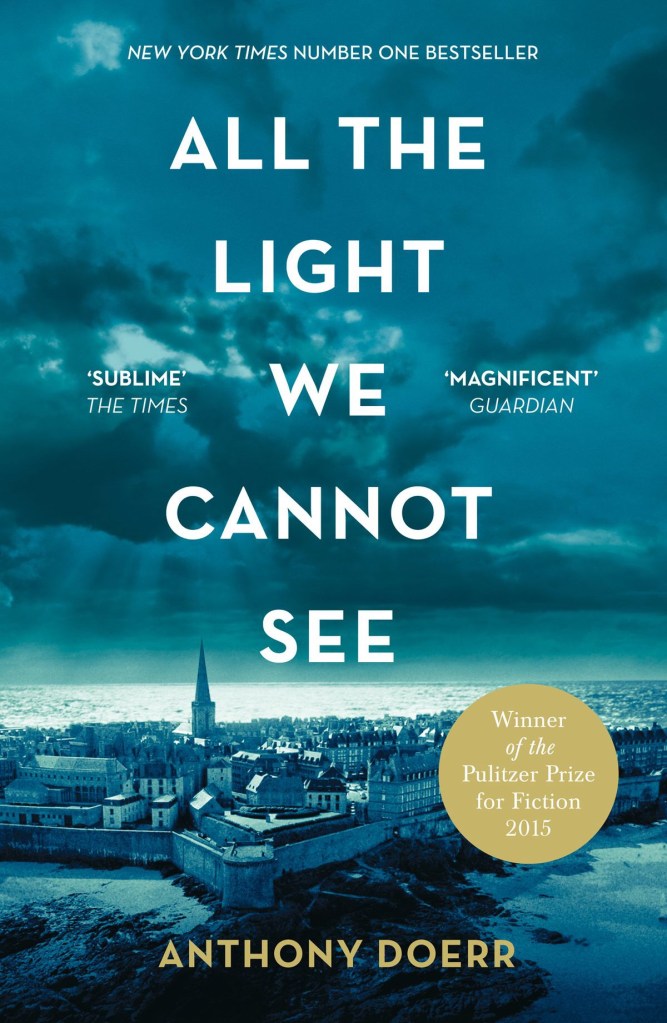
A child is born, and the world sets in upon it. Taking things from it, stuffing things into it. Each bite of food, each particle of light entering the eye – the body can never be pure.
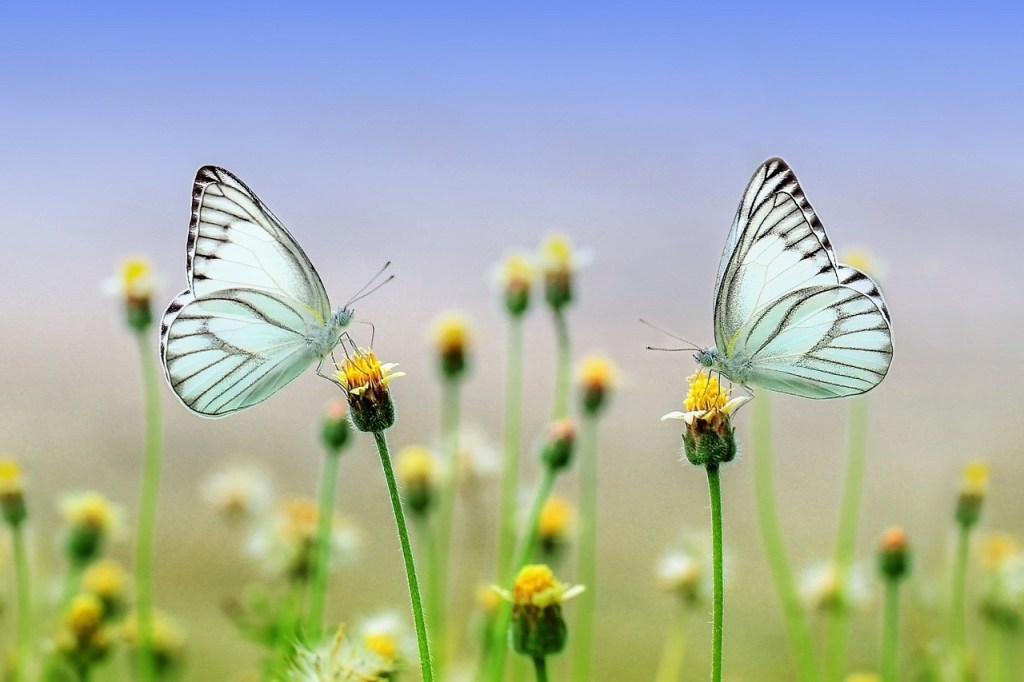
Sit down. Inhale. Exhale.
The gun will wait. The lake will wait.
The tall gall in the small seductive vial
will wait will wait:
will wait a week: will wait through April.
You do not have to die this certain day.
Death will abide, will pamper your postponement.
I assure you death will wait. Death has
a lot of time. Death can
attend to you tomorrow. Or next week. Death is
just down the street; is most obliging neighbor;
can meet you any moment.

You need not die today.
Stay here—through pout or pain or peskyness.
Stay here. See what the news is going to be tomorrow.

Graves grow no green that you can use.
Remember, green’s your color. You are Spring.
I have a deep and abiding love for Gwendolyn Brooks and her poetry. So much of her work reads like prayer, and nowhere is this more evident than in the line You need not die today. Sometimes, I feel like life kicks us so squarely in the face that it would be easier to lie down and die. And it would be. Death is patient and eager to those who would embrace its precepts. But life…life has so much to offer us. And so we go back to Brooks: You need not die today. You need not die today. You need not die today. You need not die today. You need not die today. You need not die today. You need not die today.
Thanks as always for being a faithful reader of The Voracious Bibliophile. If you like what you see, please follow, like, comment, and subscribe to my email list to get notified of new posts as soon as they drop. You can also email me at thevoraciousbibliophile@yahoo.com or catch me on Twitter @voraciousbiblog. Keep reading the world, one page (or pixel) at a time.
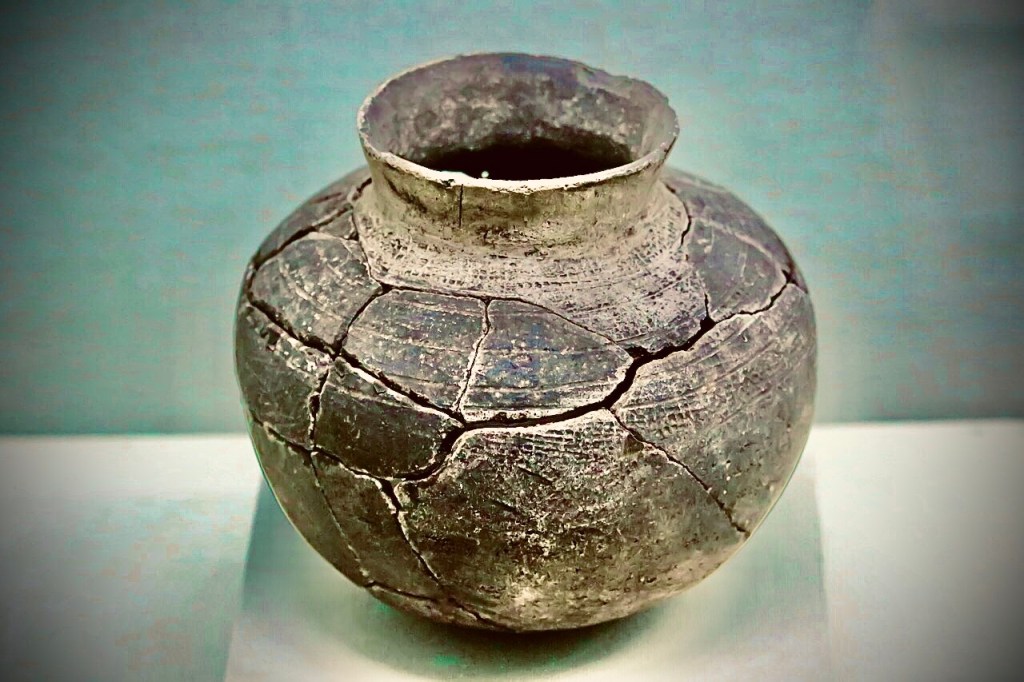
The wound is the place where the light enters you.
Rumi
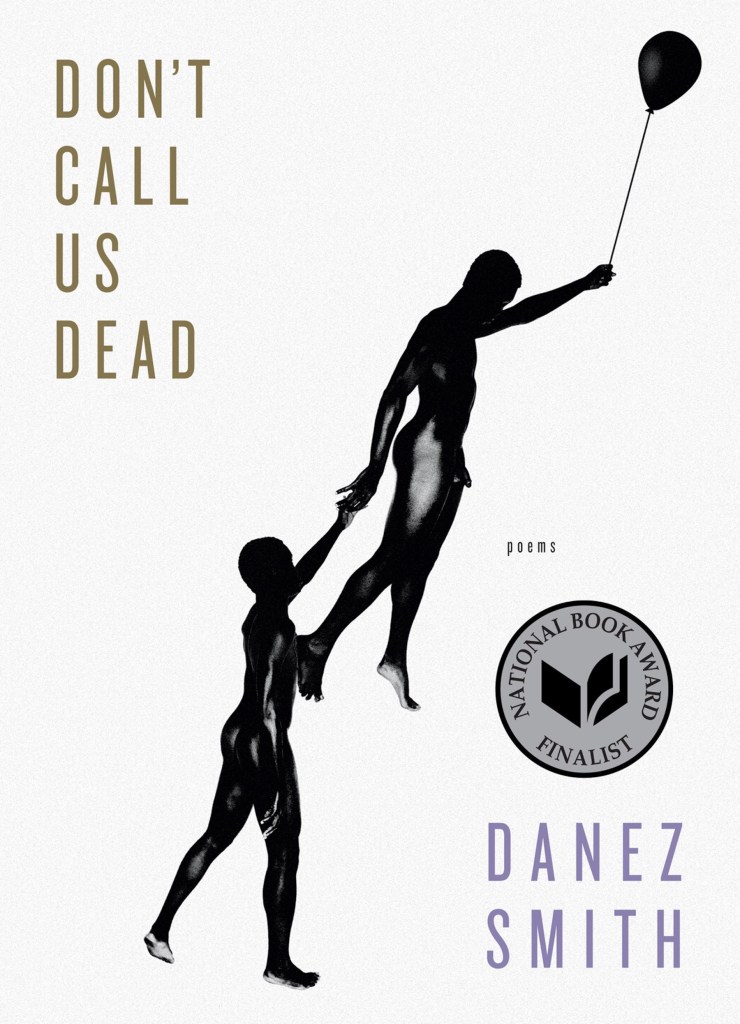
let ruin end here

let him find honey
where there was once a slaughter

let him enter the lion’s cage
& find a field of lilacs

let this be the healing
& if not  let it be

When I chose Strayed for my name, I wasn’t looking at the word’s negative connotations. I was aware at that time in my life that I’d really lost my way, that I’d gone off the path. But the other definitions of that word ‘strayed’ are very powerful too, you know? A stray is somebody who makes, or has to make, his or her own way in the world. A stray is someone who lives without the essential mother and the essential father, which is how I lived. So I was embracing that word, that name, for all of its darkness and all of its light, and I hoped I would keep growing and living into the name, sort of embodying it in my life, you know…It’s like my heritage. I feel it is my real name.
Cheryl Strayed
 The Voracious Bibliophile